
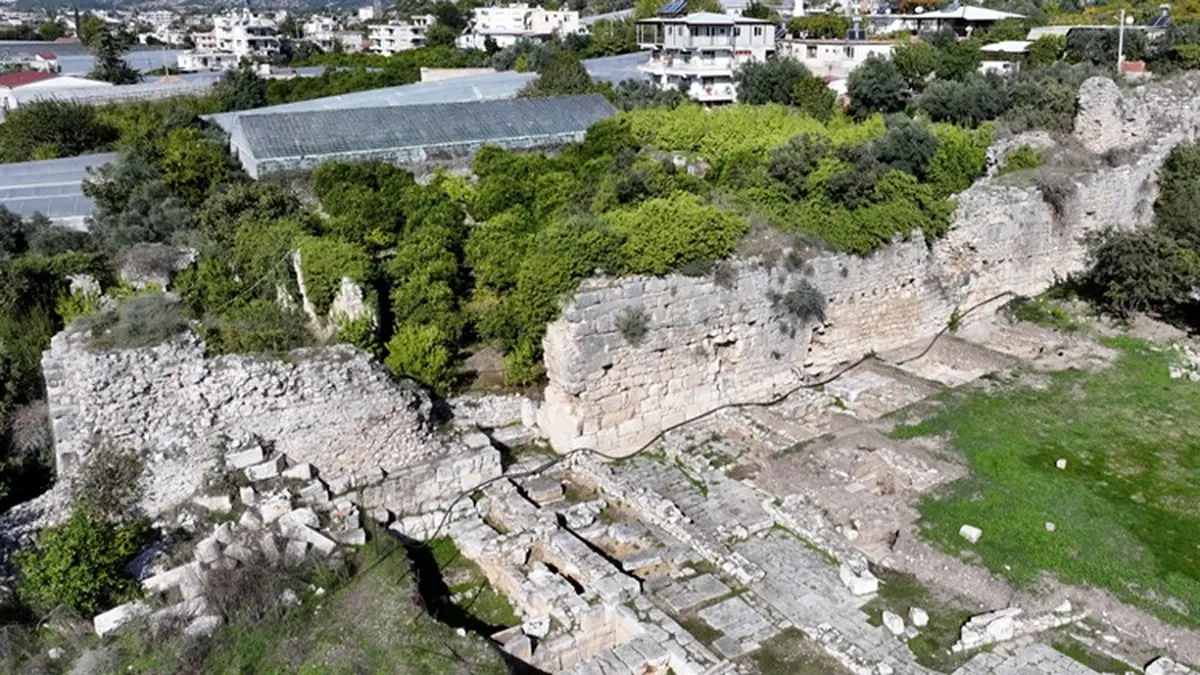
 This discovery has given researchers a fresh perspective on the architectural profile of Limyra, the legendary city of eastern Lycia.
The geographical location of the Temple of Zeus, known from inscriptions since 1982, remained a mystery for scholars for over four decades. Recently, during excavations near the modern city of Finike (Antalya), researchers from the Austrian Archaeological Institute and Hittite University in Turkey finally uncovered its location. The team’s discovery, led by Kudret Sezgin, shed light on the evolution of Limyra’s landscape from the classical period to late antiquity.
What new insights have scientists gained?
Limyra is located 9 kilometers northeast of Finike. The ancient city sprawled at the foot of Mount Toçak, where endless springs carve their way through the landscape. These waters once nourished the city, which was a political center of Lycia during the reign of Pericles and later became an episcopal center in the Byzantine period. Today, this archaeological site is known for its dense network of rock-cut tombs, fortifications, and monumental structures, such as the heroön tomb of Pericles of Limyra, Roman baths, and a colonnaded street.
For a long time, one crucial element was missing from this landscape—the main temple of Zeus.
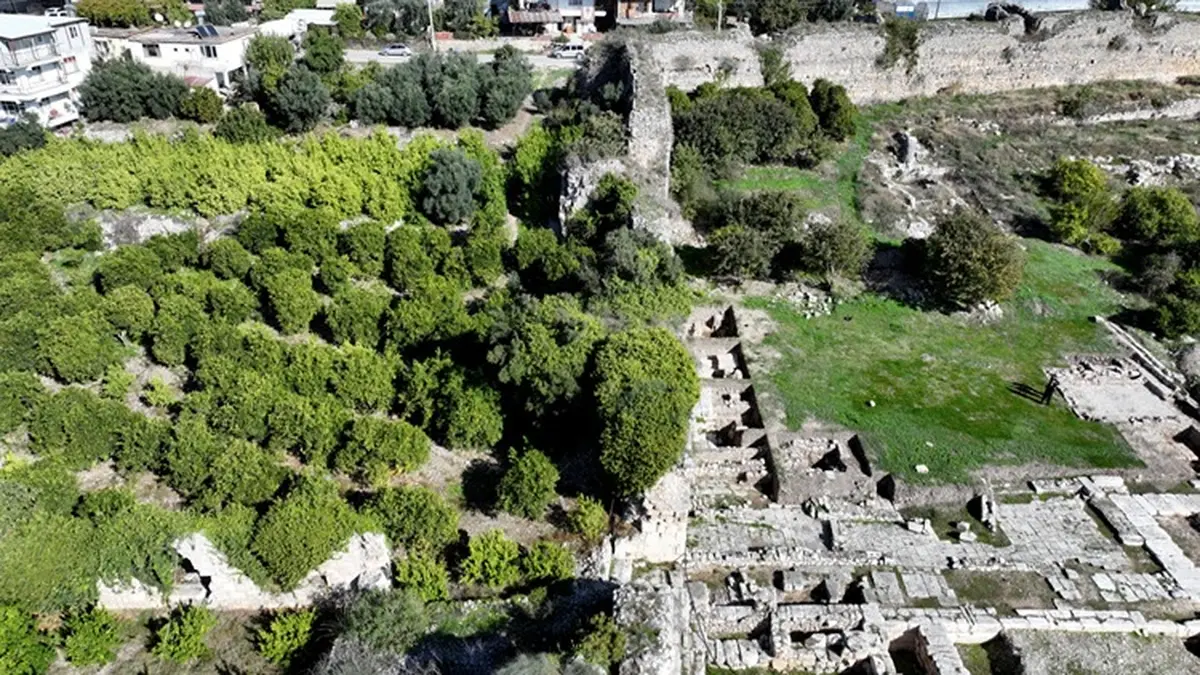
The archaeological work focused on the western part of the settlement. Here, beneath layers of architectural debris and later constructions, the team uncovered the eastern façade of the temple, featuring a 15-meter-wide central entrance. This indicates that it was a grand temple situated along the main axis of the city.
Researchers also uncovered a striking detail: during the Byzantine period, a defensive wall was built directly above the temple. Today, the sanctuary is hidden beneath a private orange grove, as reported by Arkeonews.
Ceramics found in the temple area are changing how scholars think about the earliest stages of Limyra’s development. According to archaeologists, human activity in this region began around 5,000 years ago—much earlier than previously thought.
The rediscovery of the temple prompts scholars to reevaluate established notions about Limyra’s urban plan. What had been considered for decades the entrance to a Roman street turned out to be the entrance to the Temple of Zeus. Similarly, walls that were thought to be part of a Hellenistic defensive ring were likely protective structures for the temple.
