
 A sedentary lifestyle is often referred to as a “disease of civilization.” Hypodynamia is a pathological condition caused by reduced energy expenditure due to insufficient physical activity, which falls significantly below physiological norms. Doctors note that limiting physical activity harms the heart, blood vessels, muscles, and joints, leading to chronic diseases and a decreased quality of life.
Risk Factors
A sedentary lifestyle disrupts the functions of the musculoskeletal system, circulation, respiration, and digestion. It leads to progressive weakening of the muscular system, metabolic disorders, and reduced functional reserves of the cardiovascular, respiratory, endocrine, digestive, and nervous systems.
Sedentary behavior contributes to the development of , , ischemia, chronic venous insufficiency, thrombosis, , obesity, metabolic syndrome, chronic constipation, , and degenerative diseases of the musculoskeletal system, such as osteoporosis, osteochondrosis, chronic back pain, postural disorders, and scoliosis.
A lack of physical activity is a factor in impaired blood circulation and oxygen supply to the brain, which negatively affects the ability to cope with stress and cognitive functions. Since a lack of movement reduces the production of neurotransmitters responsible for emotional resilience and a good mood, a sedentary lifestyle can lead to anxiety and depression.
Associated Threats
Moreover, a lack of movement weakens the immune system due to reduced blood circulation, decreased lymphatic activity, and slowed metabolism. Consequently, individuals with hypodynamia become more susceptible to , influenza, and other viral infections, finding it harder to recover and taking longer to bounce back from illnesses.
Prolonged sitting slows blood and lymph flow, impairs tissue nourishment, and lowers immunity, leading to stagnation in the pelvic organs and creating favorable conditions for inflammatory processes. The danger of a sedentary lifestyle lies in the high likelihood of developing hemorrhoids and (inflammation of the prostate).
Sedentary behavior results in tissues receiving less oxygen and nutrients, hindering their regeneration processes. Due to reduced blood circulation and metabolism, the consequences of hypodynamia include pale, dull, dry skin, brittle hair prone to falling out. Hormonal imbalances over time exacerbate these manifestations.

Symptoms of Hypodynamia
Characteristic signs of reduced physical activity and related disruptions in bodily functions include fatigue, decreased productivity, drowsiness, lethargy, and a poor mood. However, the components of this condition are much more extensive. Primarily, muscle tone weakens, and their ability to withstand even normal loads deteriorates.
Manifestations of Hypodynamia:
- decreased flexibility and mobility;
- discomfort and pain in the back, neck, and lower back;
- a feeling of stiffness in the joints;
- postural disorders, slouching;
- slowed metabolism;
- peripheral circulation disorders (cold hands and feet);
- increased heart rate;
- fluctuations in blood pressure;
- shortness of breath during usual activities;
- increased fatigue (chronic tiredness);
- heightened irritability;
- decreased stress resistance;
- reduced attention span and memory;
- sleep disturbances (drowsiness or insomnia).
Hypodynamia is accompanied by a decrease in muscle strength and endurance, as a lack of physical activity leads to insufficient stimulation of the muscles, causing them to gradually weaken and atrophy. Muscle weakening also affects the heart’s function, the muscular organ responsible for continuously pumping blood throughout the body.
Causes of Hypodynamia
A critical lack of regular physical activity, where the level of physical load does not meet the physiological needs of the body, is caused by a sedentary lifestyle: sitting jobs, passive leisure involving gadgets, using transportation instead of walking, and injuries or illnesses that limit mobility.
A socio-economic cause of hypodynamia is technological progress, which has fundamentally changed the structure of work and daily activity. Automation and mechanization of production processes, the introduction of vehicles, household appliances, and online services have reduced the need for physical exertion and significant energy expenditure.
Another factor worsening the situation is chronic fatigue caused by overwork, prolonged psychological stress, and lack of sleep. Fatigue and constant stress negatively impact physiological resources and motivation. The body tends to prefer a passive lifestyle in an effort to conserve energy.

How to Overcome the Issues
Thus, it is entirely justified to call a sedentary lifestyle a “disease of development.” Hypodynamia is the enemy of modern man. The lack of movement, driven by civilization, has a complex impact on the functioning of the body’s main systems, disrupting their normal operation. To prevent the consequences of hypodynamia, it is recommended to engage in at least half an hour of daily physical activity.
Treatment for the consequences of low mobility, depending on the clinical picture, includes the prescription of anti-inflammatory, analgesic, or vasodilator medications. Treatment is supplemented with physiotherapy, physical exercise, and dietary adjustments to improve circulation, normalize metabolism, and reduce weight.
The goal of treatment aimed at gradually restoring an adequate level of physical activity and preventing complications is to increase muscle strength and endurance, normalize digestion, restore hormonal balance, regulate blood glucose and lipid levels, and improve the functioning of the heart and lungs. The foundation of therapy consists of aerobic exercises and strength training.
It’s Time to Move
What can you do to combat hypodynamia on your own? For sedentary work, it is essential to use comfortable, ergonomic furniture that supports proper posture. It is important to reduce the time spent sitting continuously by taking active breaks every two hours. You should perform manageable physical exercises, gradually increasing their duration and intensity.
Stretching
Flexibility exercises (bends, torso twists, splits, yoga) reduce muscle tension, increase joint mobility, promote good posture, and prevent injuries. Regular stretching of the back and leg muscles improves blood circulation in the tissues and speeds up recovery after exertion.
Aerobics
Aerobic exercises (step aerobics, jogging in place, brisk walking, dancing, jumping rope) effectively burn calories, improve heart and lung function, stimulate circulation, and enhance endurance. Regular aerobic activity prevents cardiovascular diseases and improves overall well-being.
Strength Training
Squats, planks, push-ups, and exercises with resistance bands or dumbbells increase muscle tone, strengthen bones, boost metabolism, and burn fat. Strength training supports joint health, improves posture, and prevents age-related muscle loss.
Breathing Exercises
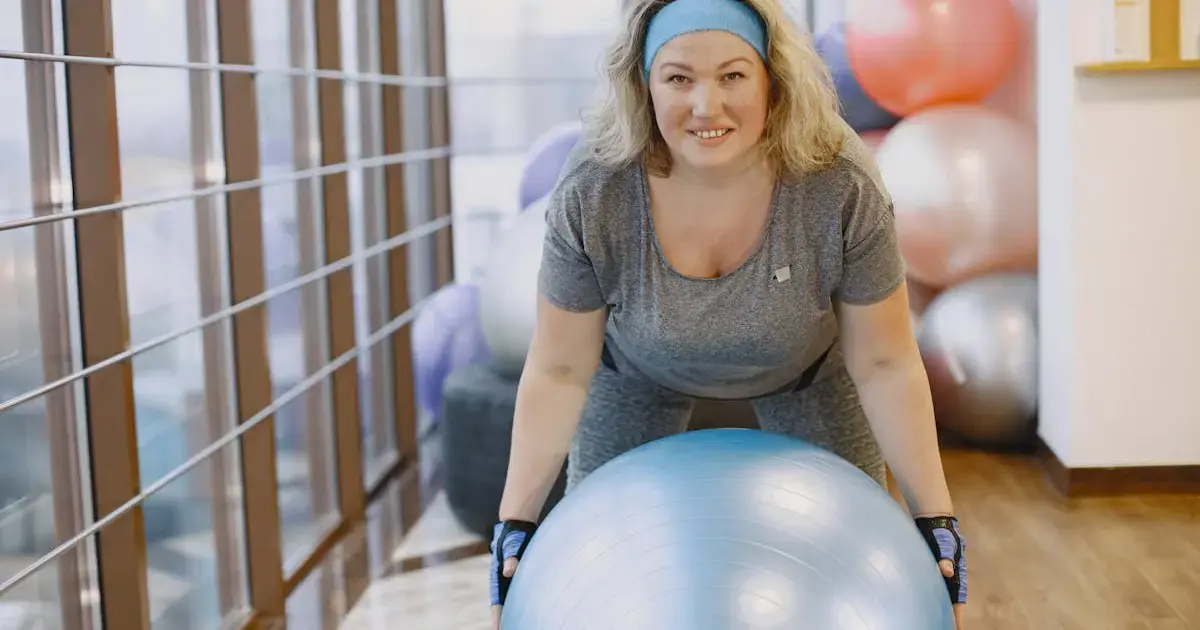
Diaphragmatic breathing, pranayama, and breathing exercises saturate the body with oxygen, normalize the nervous system’s activity, reduce levels, improve concentration, and promote relaxation and recovery after physical exertion.
When choosing physical exercises, it is important to consider that sitting work and a lack of movement exacerbate stagnation in the lower body and reduce the effectiveness of the muscle-venous pump, which helps blood flow from the legs to the heart. This is typical for people who spend several hours in a static position without changing their body posture, such as drivers and those who work at computers.
Diet for a Sedentary Lifestyle
A key factor in preventing metabolic disorders and maintaining a healthy weight in individuals with low physical activity is controlling the caloric intake of the diet. This is necessary to provide the body with essential nutrients and prevent obesity, as excess energy is quickly stored as fat due to limited energy expenditure.
Food for Low Mobility:
- animal protein sources (lean poultry, fish, );
- plant protein sources (, tofu, soy products);
- complex carbohydrates (whole grain bread, , oatmeal, , brown rice, quinoa);
- healthy fats (fatty fish, , , );
- vegetables and greens (tomatoes, , onions, carrots, cabbage, broccoli, , parsley, dill);
- fruits (apples, pears, citrus fruits, , kiwis, plums, apricots, peaches);
- berries (lingonberries, blueberries, blackberries, , raspberries, , currants);
- seeds and nuts (pumpkin seeds, flaxseeds, chia seeds, almonds, hazelnuts, walnuts);
- dairy products (cottage cheese, fermented baked milk, kefir, yogurt);
- healthy beverages (natural fruit drinks, herbal infusions, green tea, water).
It is advisable to reduce the intake of simple carbohydrates and saturated fats while simultaneously increasing the volume of protein and fiber, with moderate consumption of complex carbohydrates for stable energy levels. Proper nutrition helps control appetite, supports metabolism, and reduces the load on the digestive and cardiovascular systems.

Preventing Hypodynamia
For those with a sedentary lifestyle, it is important to regularly practice morning exercises to warm up the muscles and joints, activate blood circulation, reduce stiffness, improve muscle tone, prepare the body for daily activities, and increase overall energy levels. Throughout the day, taking breaks during sedentary work or engaging in workplace exercises is equally important.
In addition to 30-minute walks, replacing cars with bicycles, and using stairs instead of elevators, conscious posture control is also recommended: maintaining the correct spinal position reduces strain on the back and neck muscles. This involves evenly distributing weight on both legs, avoiding prolonged head tilting, and ensuring the back rests against the chair’s backrest.
To prevent unwanted consequences of a sedentary lifestyle, regular medical check-ups are also crucial for assessing the condition of the cardiovascular and musculoskeletal systems. Joint and muscle examinations, blood pressure measurements, and electrocardiograms can help identify problems at an early stage and ensure timely therapy.
Photo: pexels.com