
 Weighted blankets — the ones filled with glass or polypropylene microbeads, polyester fibers, or other non-invasive weights — have gone from a specialized therapeutic tool to a popular sleep accessory promising better rest and reduced anxiety.
But do these blankets live up to their reputation? Or are buyers simply spending money on an expensive placebo?
To help clarify the pros and cons of weighted blankets, we spoke with Craig Jackson, a professor at Birmingham City University in the UK.
What Does Science Say About Their Effectiveness as a Stress Relief Tool?
Occupational therapists—medical professionals who assist patients in performing daily tasks—have been using weighted blankets since the 1970s. According to these specialists, such blankets help children and adults with sensory processing disorders.
They first hit the market in the 1990s but were primarily used in communities for individuals with special needs, noted Professor Jackson.
The landscape has dramatically changed in recent years as companies began targeting those labeled as “everyday anxious,” meaning anyone grappling with the stresses of modern life. The marketing worked: Time magazine even named the weighted blanket one of the 50 best “inventions” of 2018.
The concept of weighted blankets is simple. They typically weigh between 4.5 to 30 pounds (experts recommend choosing a blanket that weighs about 10 percent of your body weight). They create what occupational therapists refer to as “deep pressure stimulation.” The gentle, even pressure on the body mimics the sensation of being hugged, a calming effect highlighted by Science Alert.
Professor Jackson recalled a recent study involving 120 outpatient psychiatric patients. It showed that weighted blankets alleviated symptoms of insomnia in patients with severe depression, bipolar disorder, anxiety disorder, and ADHD over a four-week period. Researchers concluded that these blankets are a “safe and effective treatment for insomnia in patients with certain mental disorders.”
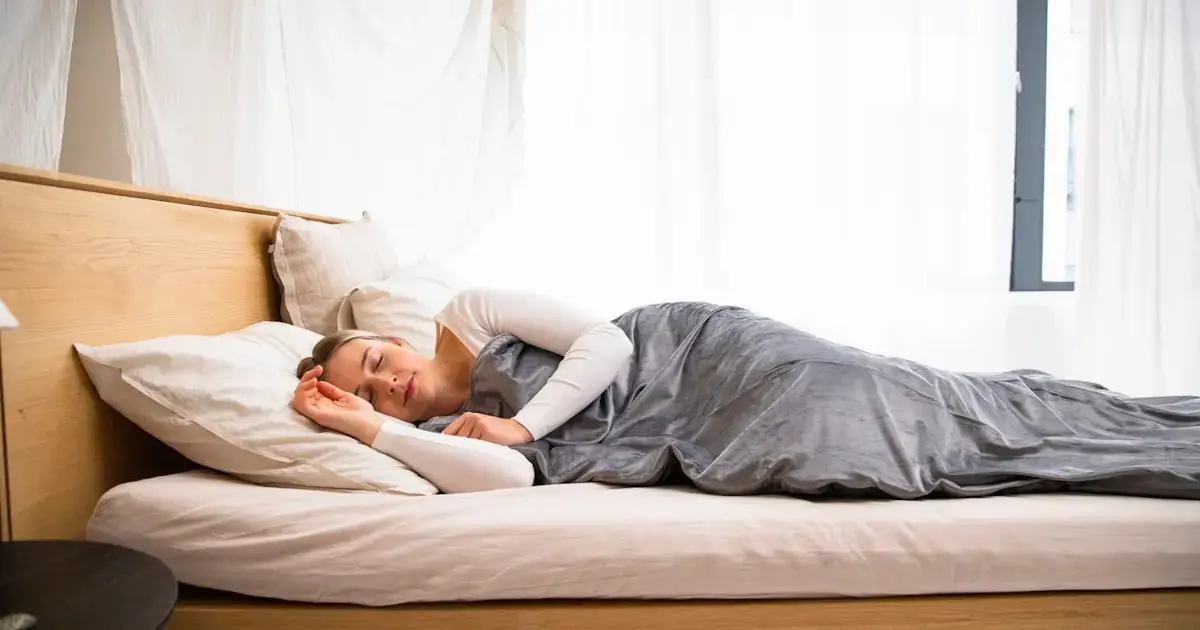
According to another study, 63 percent of adult participants reported reduced anxiety just five minutes after being under a weighted blanket.
However, most research on this topic focuses on people with diagnosed mental health disorders. Studies find it’s significantly more challenging to demonstrate benefits in people without a diagnosis.
That said, this doesn’t mean weighted blankets are useless for everyone without a diagnosed condition. Shift workers who must sleep during the day when their brains are naturally active often report that weighted blankets help them fall asleep faster. Medical professionals, firefighters, and pilots who need daytime sleep can benefit from that quicker onset of rest.
Contraindications and Doubts
Weighted blankets do carry certain risks. They should not be used by individuals who cannot move freely under their weight, nor by small children. People with breathing problems, asthma, sleep disorders, chronic lung diseases, circulation problems, high blood pressure, or claustrophobia should consult a doctor before buying one.
Many experts say weighted blankets can improve sleep quality, help regulate sleep cycles, reduce anxiety and depression, and serve as a calming tool before stressful events.
When considering the purchase of a weighted blanket, have realistic expectations, says Professor Jackson. “You’re not buying a miracle cure for all your woes, but rather a potentially soothing sleep aid that can help you feel calmer.” For many people with insomnia, the appeal is that gentle pressure and the resulting sense of security.
The question isn’t just whether weighted blankets work, but whether they’re right for you and worth the price.
Photo: Unsplash