
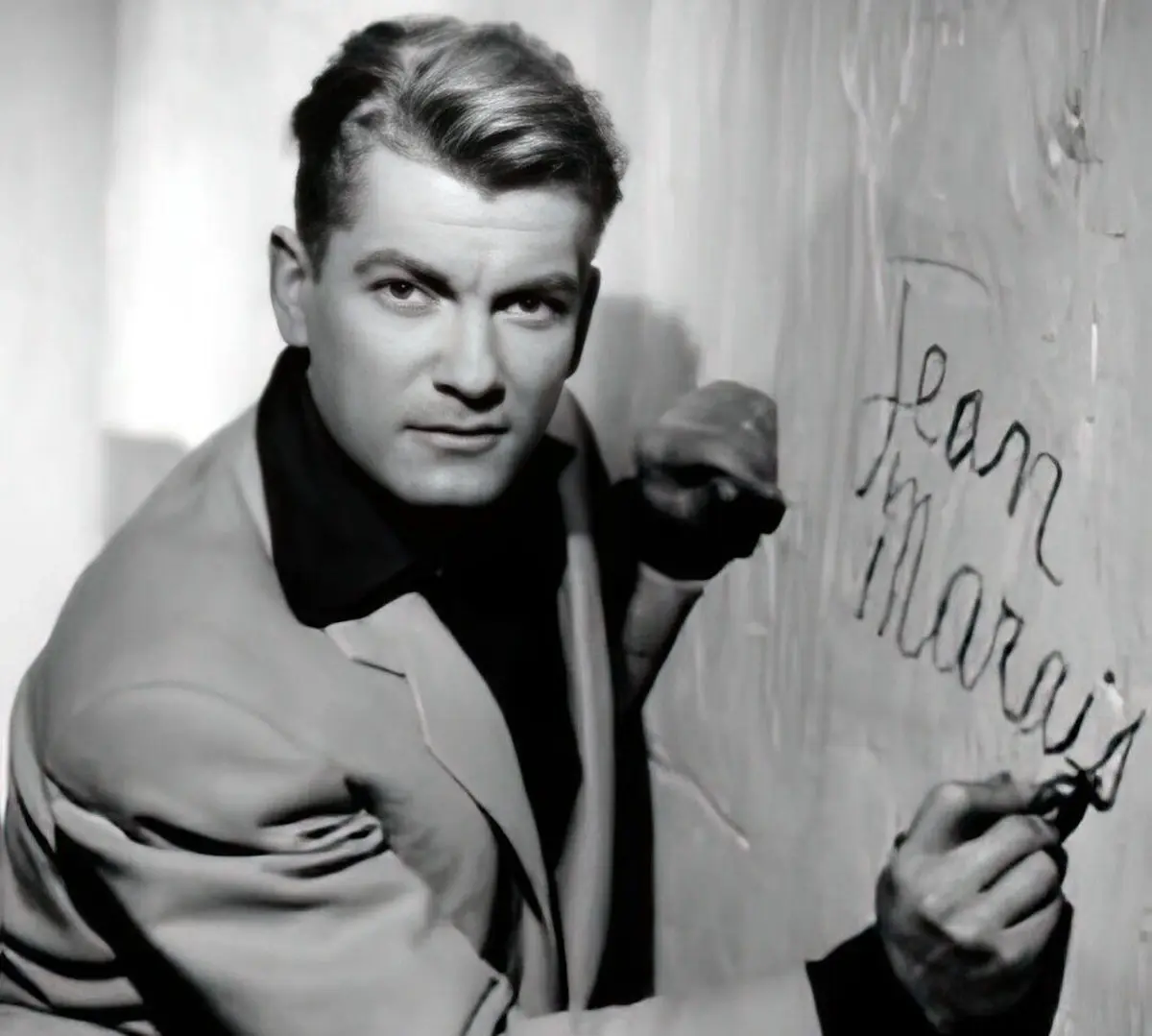
 If cinema is the art of illusion, Jean Marais — the star of “Orpheus,” “Beauty and the Beast,” “Parisian Mysteries,” “The Count of Monte Cristo,” “The Iron Mask,” and “Fantomas” — was the king of mirage. Behind his masks and makeup lay a mystery that belonged not only to his films’ plots but also to Jean Marais’s personal life.
“The Monster with the Face of an Angel”
The future artist was born on December 11, 1913, in the port city of Cherbourg. He was the son of veterinarian Alfred Emmanuel Villen-Mare and his mother, Marie-Alin Vossor, who led an adventurous life and was periodically imprisoned for theft. The boy was barely four years old when his parents divorced, and his mother moved with her two sons (his brother Henri was four years older) to Paris. One of Jean’s most vivid childhood memories was his first visit to a cinema in the capital. The film “The Mysteries of New York” so impressed the young viewer that from that moment on he wanted to act.
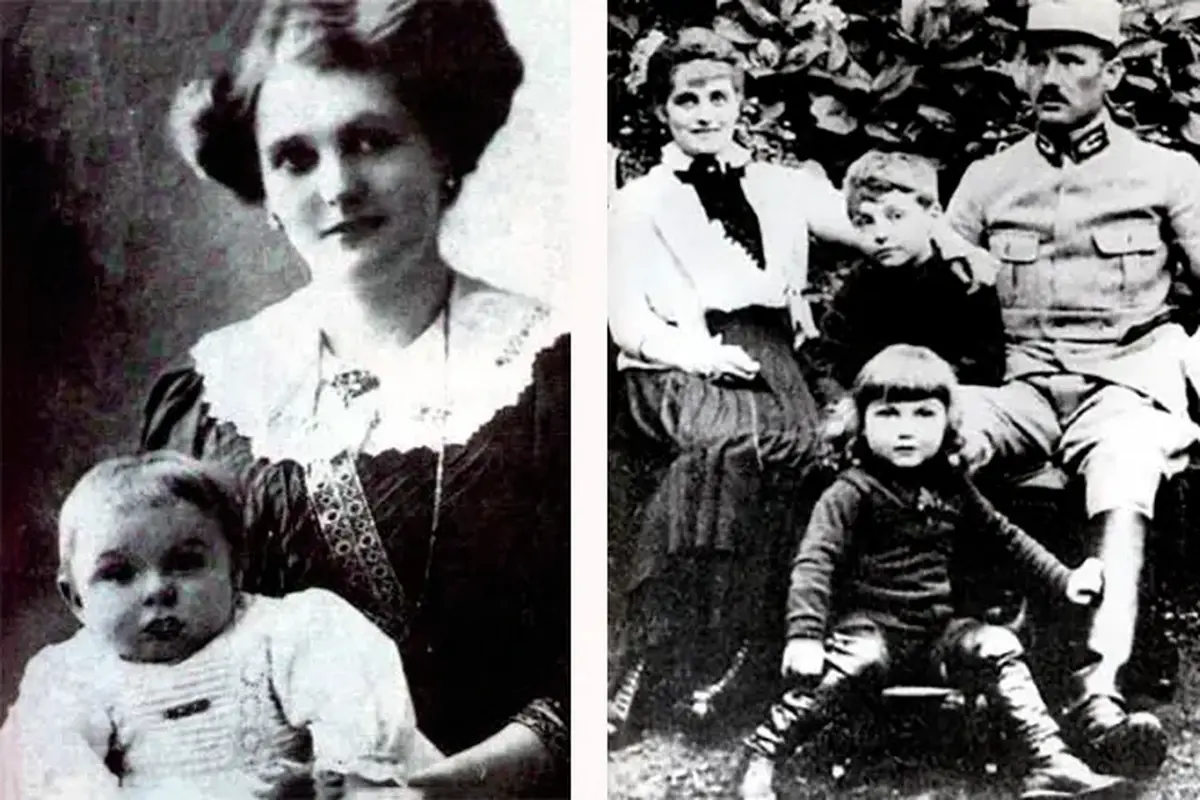
After watching a performance with his mother featuring the main character Cabichu and his beloved Rosalie, the son called Marie-Alin “my Rosalie,” and she called him “my Cabichu.” His mother’s example influenced his behavior: Jean Marais and his friends were incorrigible troublemakers. The actor later recalled himself at that time as a “monster with the face of an angel” — a charming child who stole, lied, fought, bullied his teachers at the Saint-Germain-en-Laye college, and performed poorly in school. As a teenager, he amused himself by dressing in women’s clothing and flirting with teachers, whom he skillfully deceived.
For such antics, the artistic student was expelled from at least three educational institutions — in Vesinet, Saint-Germain, and Janson-de-Sailly. After graduating from a Catholic college in Bouzonville, 16-year-old Jean Marais became fascinated with photography and apprenticed with a photographer who knew painting. The teacher taught him the basics of composition and techniques for working with space, volume, light, and color. His emerging artistic talent allowed him to paint pictures for sale, helping him raise funds for acting classes. To fulfill his dream, he also worked as a model for magazines.
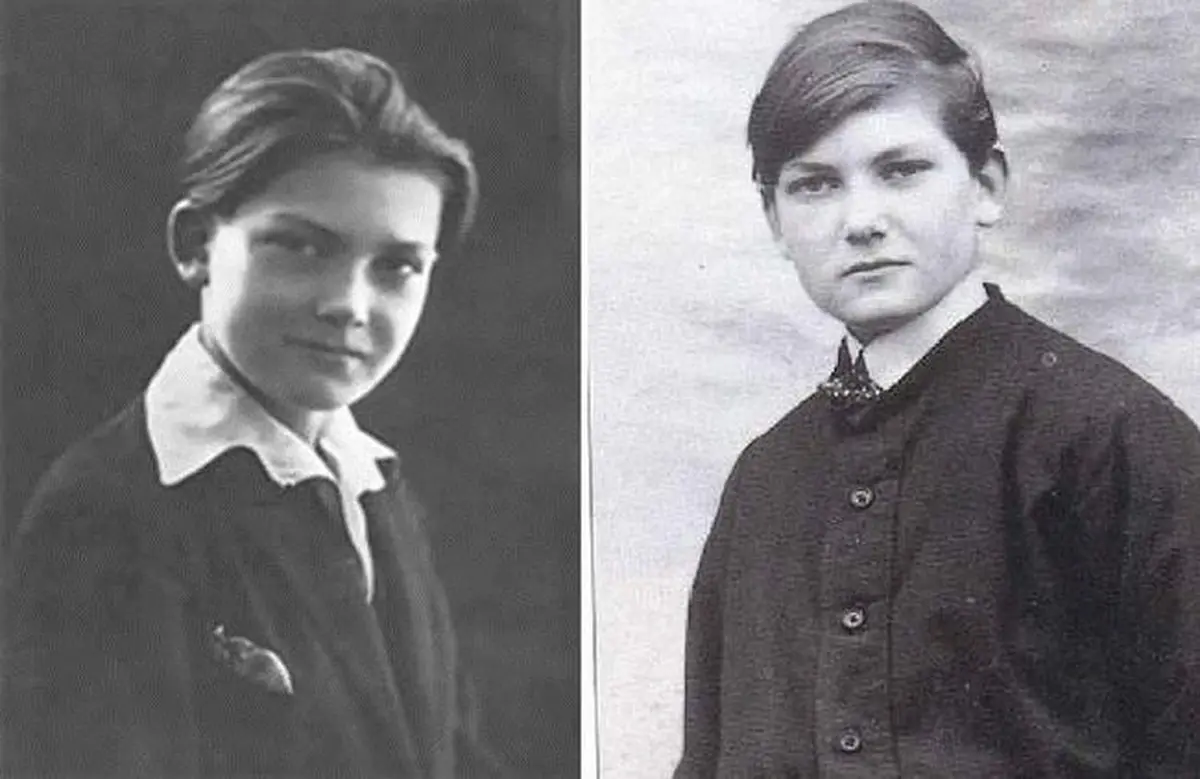
Jean Marais in School Years
Jean Marais in His Youth
After three attempts to enroll in the acting department of the Paris Conservatory, Jean Marais sent his photos to film studios and, at 20, became a student in beginner acting courses. After participating in training performances, the young man with a striking appearance began his long-awaited film career. In 1934, the protégé and lover of director Marcel L’Herbier made his acting debut in his patron’s film “Scandal,” and then appeared in several small roles in other films. Three years later, he met the most significant person in his life: in 1937 the handsome actor encountered the renowned director Jean Cocteau, a relationship that Jean Marais would later describe as his “second birthday.”
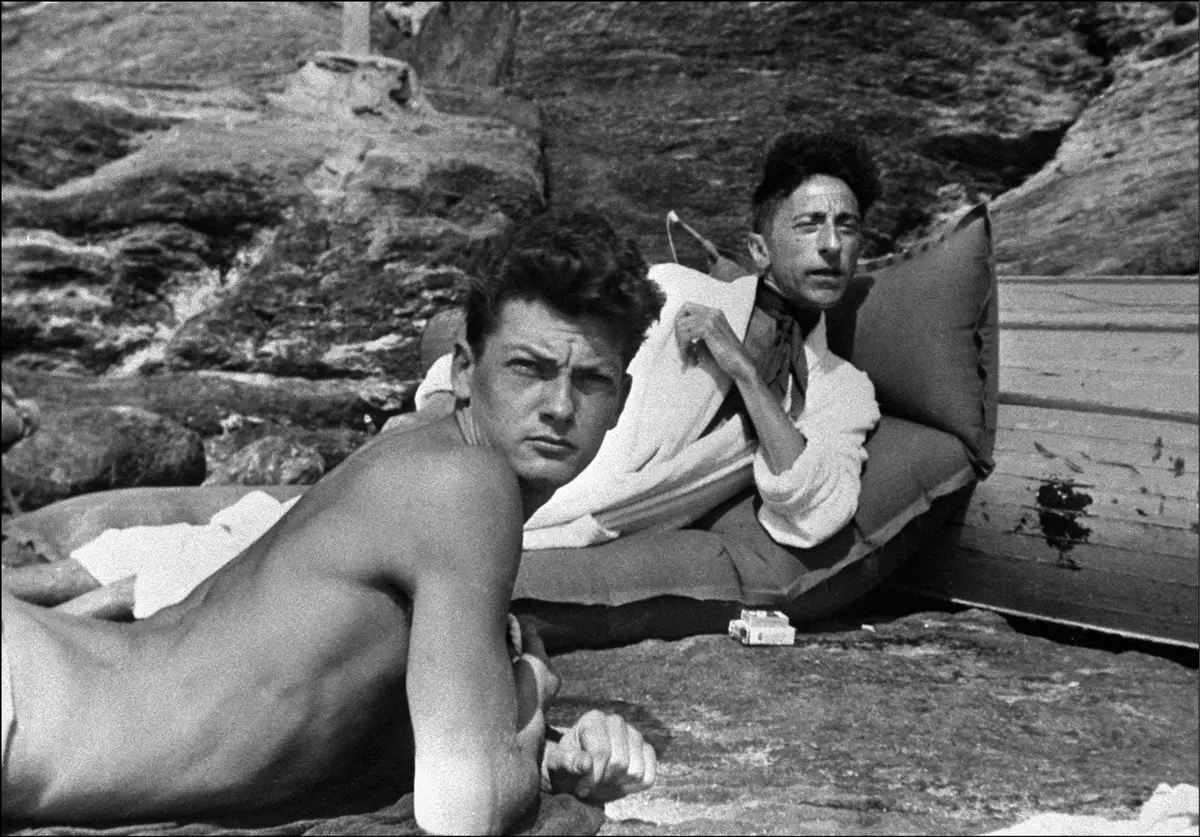
Jean Marais and Jean Cocteau
The outstanding filmmaker and writer helped develop the young protégé, introducing him to a higher, more poetic world and transforming him into a movie star. The friend and mentor gave Marais leading roles in his own works, which became a key part of Jean Marais’s filmography. The young actor appeared in Jean Cocteau’s play “Oedipus Rex,” the 1938 film “Knights of the Round Table,” and the film adaptation of the opera “Carmen,” which was shot in 1942 and released in 1945 to record audiences (the film was seen by over 4 million viewers). In 1943, Jean Marais’s filmography was enriched by the film “Eternal Return,” based on a script by Jean Cocteau.
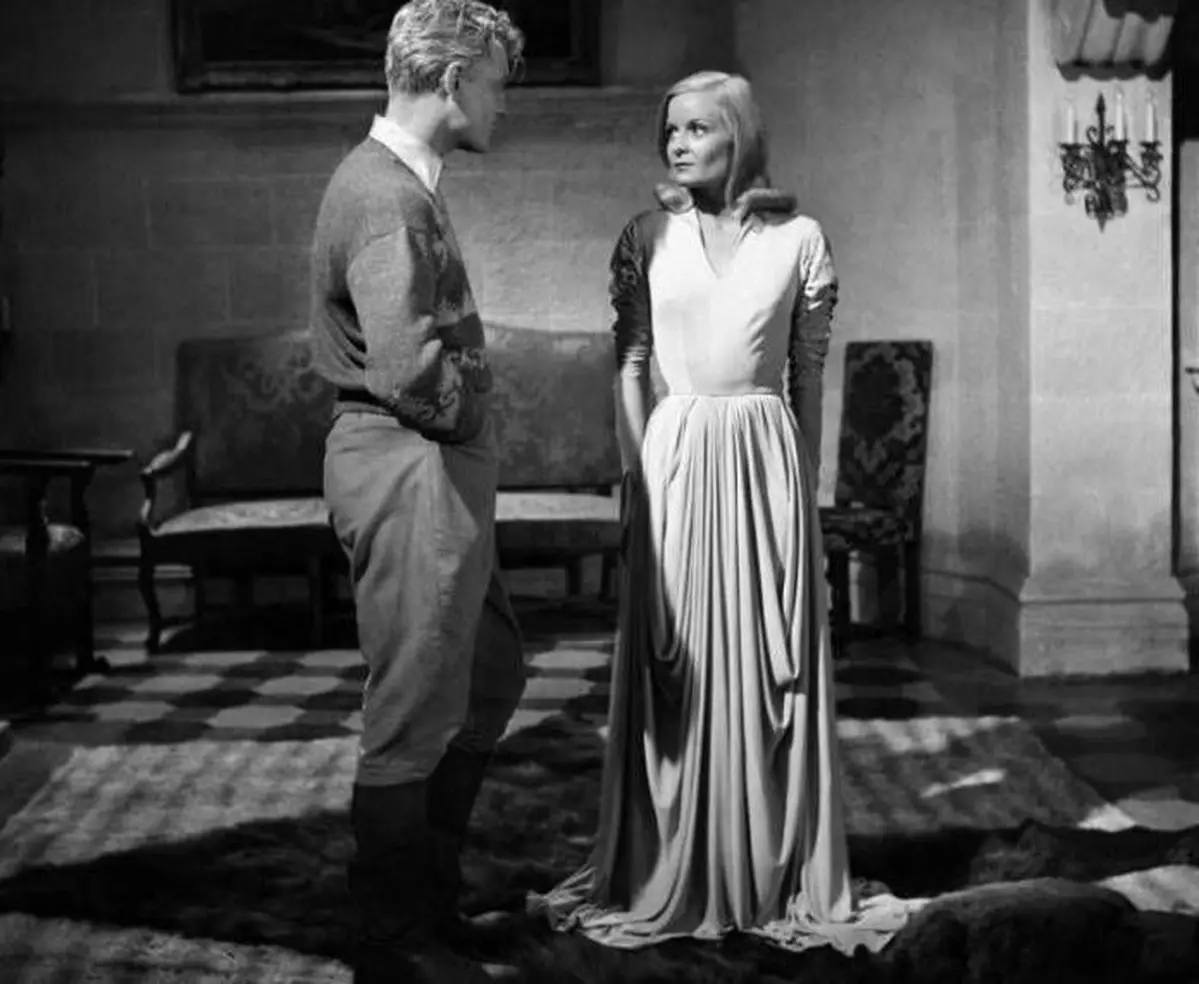
Eternal Return
By that time, the actor had already become a favorite in France and was formally married: in 1942 he wed his co-star from the film “Canopy Bed,” actress Mila Parely. He proposed to his colleague so he could get four days’ leave and a break from the war — the marriage lasted until 1944. Rumors circulated about romantic affairs, but in many cases those relationships were actually close friendships. After returning to work post-war (the actor’s wartime service was marked by a Military Cross), Jean Marais again collaborated with Jean Cocteau in 1946 for the film “Beauty and the Beast.”
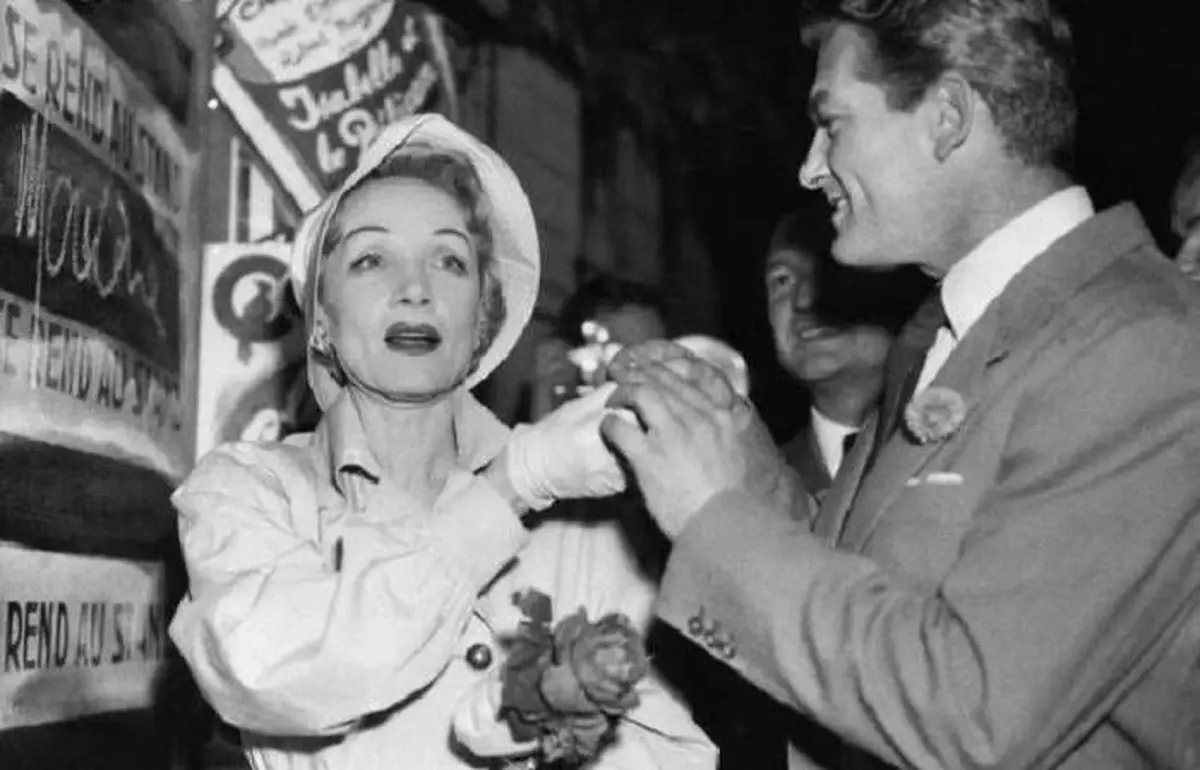
Jean Marais with Marlene Dietrich
“A Cinematic Wonder”
In that film, Jean Marais portrayed three characters on screen, playing the friend of Ludovic Avelan, the Prince, and the Beast. Critics called these performances a “cinematic wonder.” The film earned Marais his first “Bambi” award in 1948, while the director received the Louis Delluc Prize. A year before those accolades, Marais starred in Cocteau’s drama “The Two-Headed Eagle.” The actor disliked working with stunt doubles, so he performed his own stunts and nearly died during filming when he became stuck upside down in a crevice between two rocks.
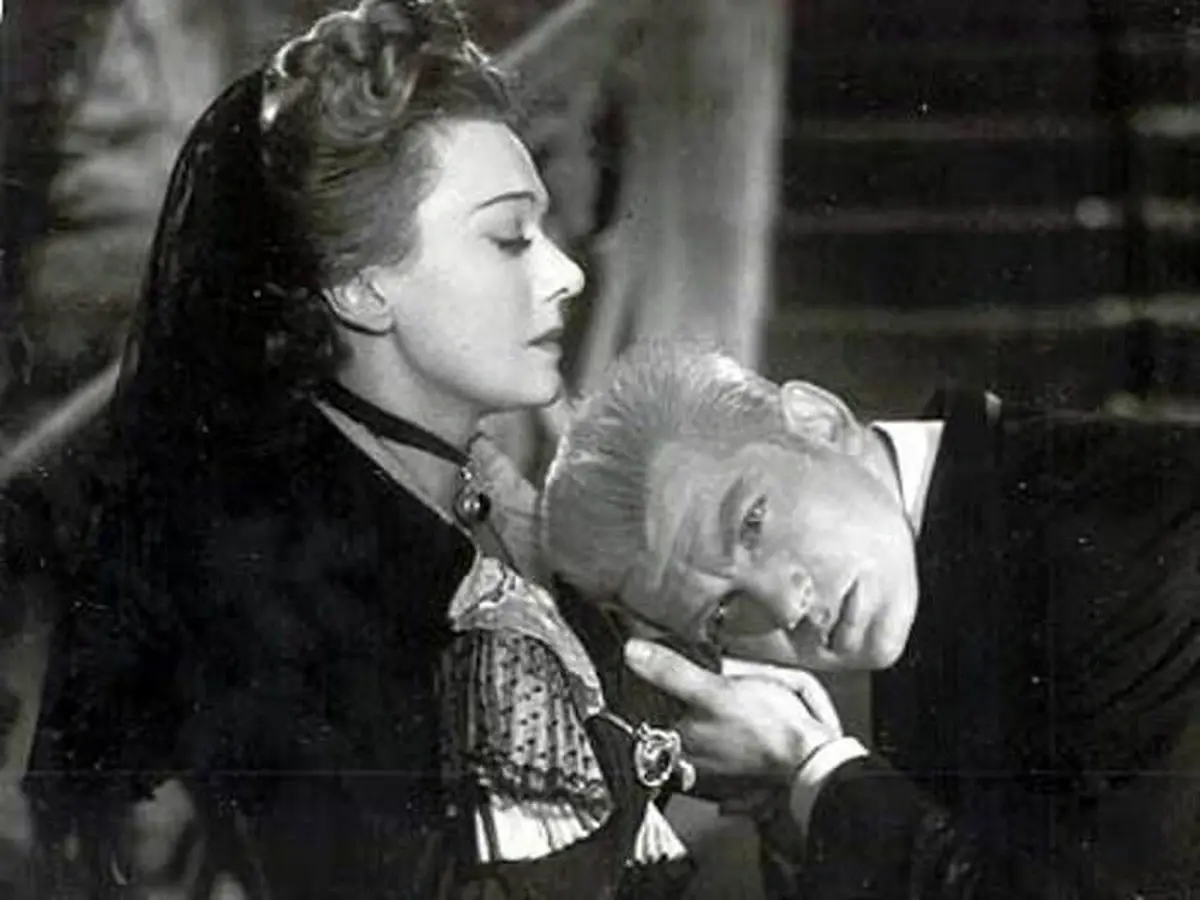
The Two-Headed Eagle
Two years later, his list of remarkable roles expanded with the part of Orpheus in the eponymous fantasy film. Critics recognized this portrayal as the best of his career (the film was nominated for a BAFTA). The two Jeans formed a stable and productive creative tandem whose joint works gained worldwide recognition and were hugely successful with audiences: a million-strong audience of female fans considered the actor, with his rare masculine beauty accentuated by romantic costume roles, a “charming prince.” The director skillfully maintained this image of his companion on screen and stage.
In the 1950s, Jean Marais’s filmography shifted toward swashbucklers. In “Captain Fracasse,” “The Count of Monte Cristo,” and “The Hunchback,” Marais played heroes with a code of honor — defenders of the weak and champions of justice. Top directors offered him leading parts: André Hunebelle invited him to appear in “Parisian Mysteries,” Abel Gance cast him in “The Battle of Austerlitz,” and Luchino Visconti included him in “White Nights.” In the 1960s, a Fantomas series hit the screens: comic actor Louis de Funès played Commissioner Juve, while Jean Marais took on the two main roles.
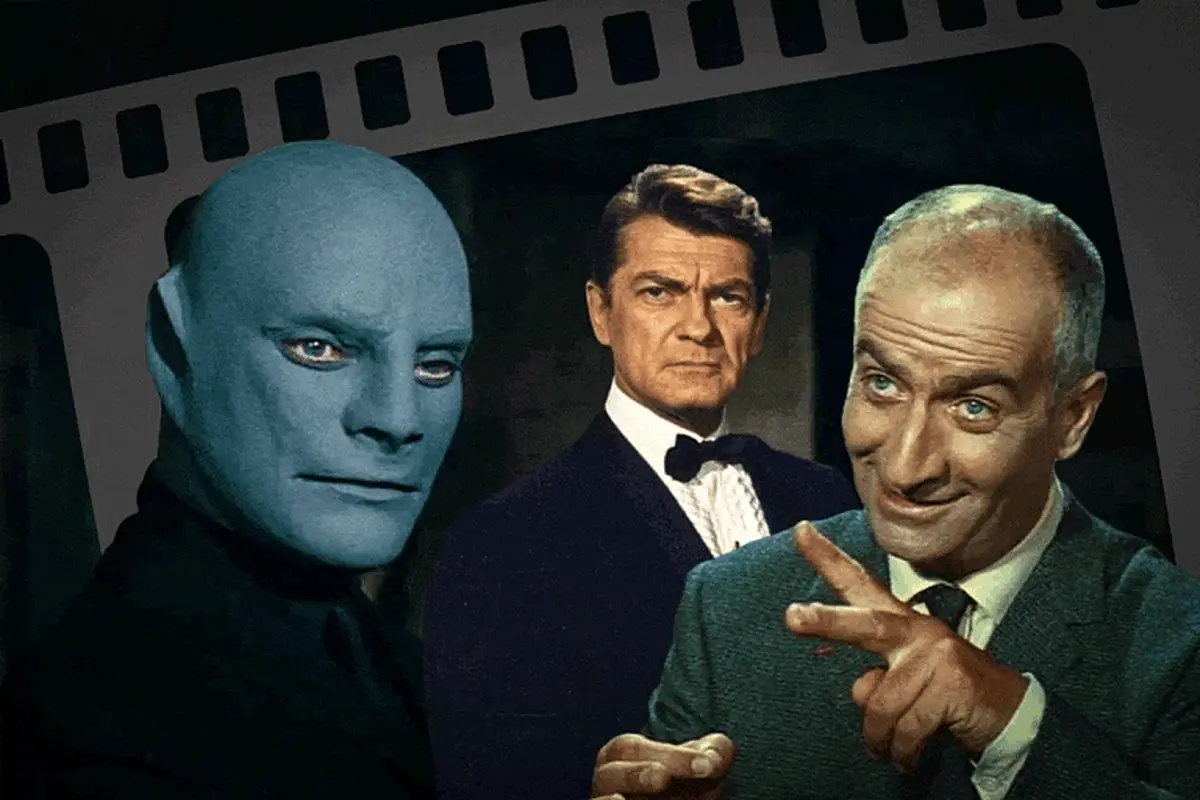
Jean Marais and Louis de Funès in the Fantomas Films
Life is Beautiful
Jean Marais was a knight of the Order of the Legion of Honor, a laureate of the Louis Delluc Prize, a recipient of the main prize at the Venice International Film Festival (the “Silver Lion”), and a four-time “Bambi” winner. He excelled not only as an actor but also as a writer, stuntman, painter, sculptor, designer, and decorator, and he received wide acclaim for his work.
In the 1970s, the artist published “Tales of Jean Marais” with his own illustrations, and in memory of his beloved friend Jean Cocteau (who died in 1963) — with whom Marais had a long-term but discreet relationship — he released a book about Cocteau and staged a play at the Théâtre de l’Atelier titled “Cocteau-Mare.”
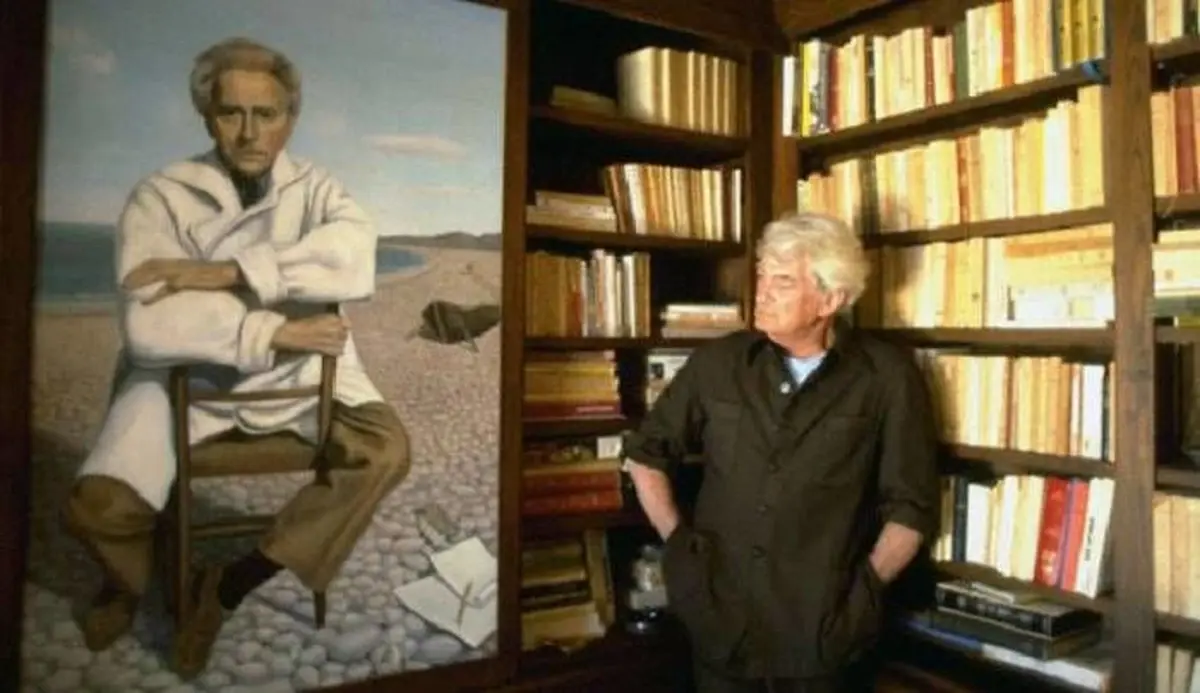
Marais with a Portrait of Jean Cocteau
After a severe car accident in the late 1960s, Marais stepped away from the screen for a long time: throughout the 1970s he hardly acted, returning to the set in 1986 for the film “Family Ties” by young director Willy Rameau, and ten years later playing an aging artist in Bernardo Bertolucci’s “Stealing Beauty.” In 1989, a monument to writer Marcel Aymé was erected in Paris’s Montmartre featuring the bronze sculpture “The Man Who Walks Through Walls,” created by his friend Jean Marais (who was also a poet).
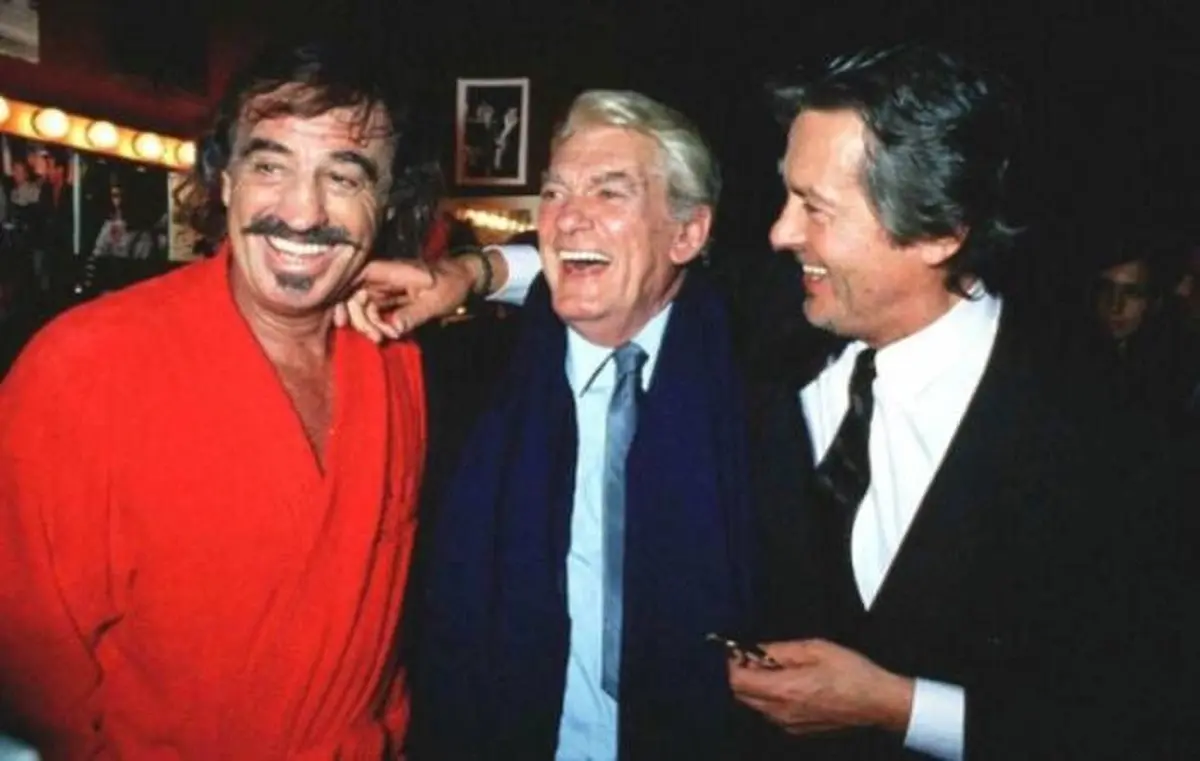
Jean-Paul Belmondo, Jean Marais, and Alain Delon
Later in life, Marais performed in theater productions of world masterpieces such as “King Lear,” “Le Cid,” and “Tartuffe.” In the second half of the 20th century he left Paris and settled in his villa on the French Riviera. In Vallauris he devoted himself to painting, sculpture, and pottery. He lived with creativity and inspiration, unaware of his bone marrow disease. In 1996, despite suffering from a severe cold, Marais took the stage in the premiere of “The Tempest.” Even while moving poorly, he attended an art exhibition in Cannes where his paintings were displayed. He died on November 8, 1998, a month before his 85th birthday. Jean Marais’s grave in the Old Cemetery in Vallauris is guarded by sculptural lions he created himself.
Photos from open sources