

A large-scale study in the UK confirmed that drinking alcohol is linked to a dangerous — the kind that accumulates deep around organs in the abdominal cavity.
Until recently, many people believed a big belly and no waist came from overeating or not exercising. Scientists now say you should add regular drinking to that list. The new study suggests that even a or a pint of beer plays a much bigger role in where fat collects on our bodies than previously thought.
Even one drink a day raises dangerous belly fat
Researchers found that people who have at least one standard unit of alcohol a day are more likely to accumulate visceral fat, and that fat is closely linked to cardiovascular disease and , the Daily Mail reported.
The team analyzed data from about 6,000 adults aged 25 to 75 from the Oxford Biobank. That information included how much alcohol participants drank each week, measured in standard units.
One unit contains 10 ml of pure alcohol — roughly 40 ml of spirits, 125 ml of wine (about 12% ABV), or 250–300 ml of lager.
Participants in the lowest drinking group consumed up to four units a week. At the high end, men reported drinking 17–98 units weekly, while women reported 10–50 units.
To see how fat is distributed inside the body, the researchers used DEXA scanning (a type of X-ray). That method gives precise measurements of fat, muscle, and bone.
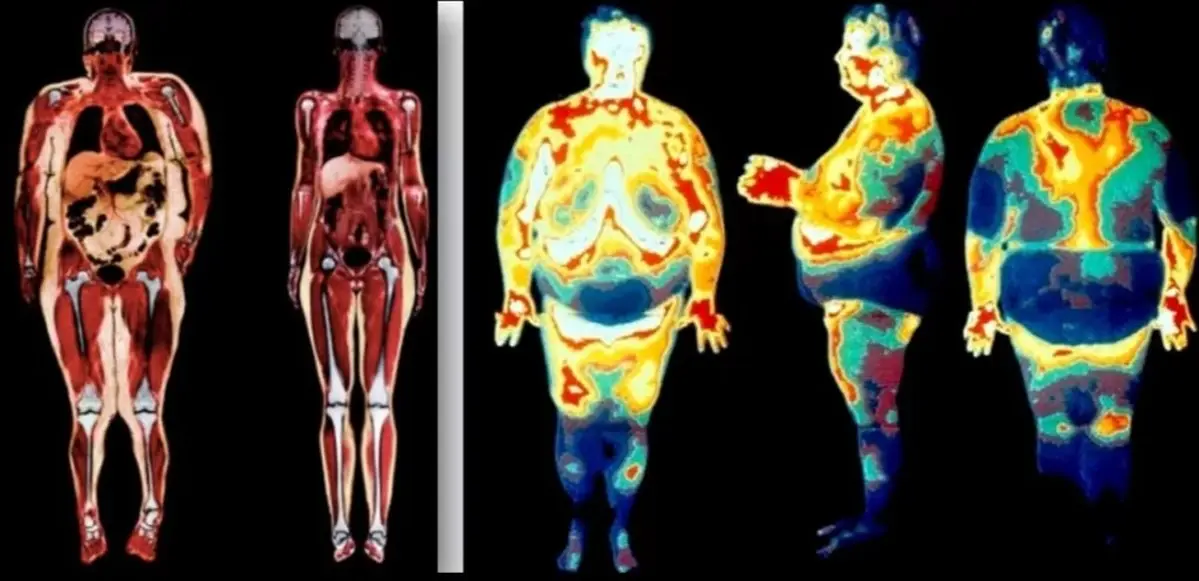
The scans showed that as alcohol intake increased, the proportion of visceral fat also rose. Visceral fat is particularly worrying because it surrounds vital organs such as the liver and pancreas, and it is far more dangerous than softer subcutaneous fat.
Men who drank heavily had 13.5% more visceral fat than non-drinkers. Women who drank heavily had 17% more visceral fat.
The alcohol-related increase in visceral fat appeared even in people who were not overweight. That means alcohol can change where your body stores fat, not just add extra calories.
The study was published in the International Journal of Obesity.
Official alcohol limits may be underestimating the risk
These results clash with current expert guidance on recommended .
The UK National Health Service allows up to 14 units of alcohol a week and advises spreading them over three or more days.
In the United States, the Centers for Disease Control and Prevention define moderate drinking as no more than one unit per day for women and no more than two units per day for men.
But the authors of the new study disagree: drinking even at those levels contributes to the buildup of harmful fat in the body and damages health.