
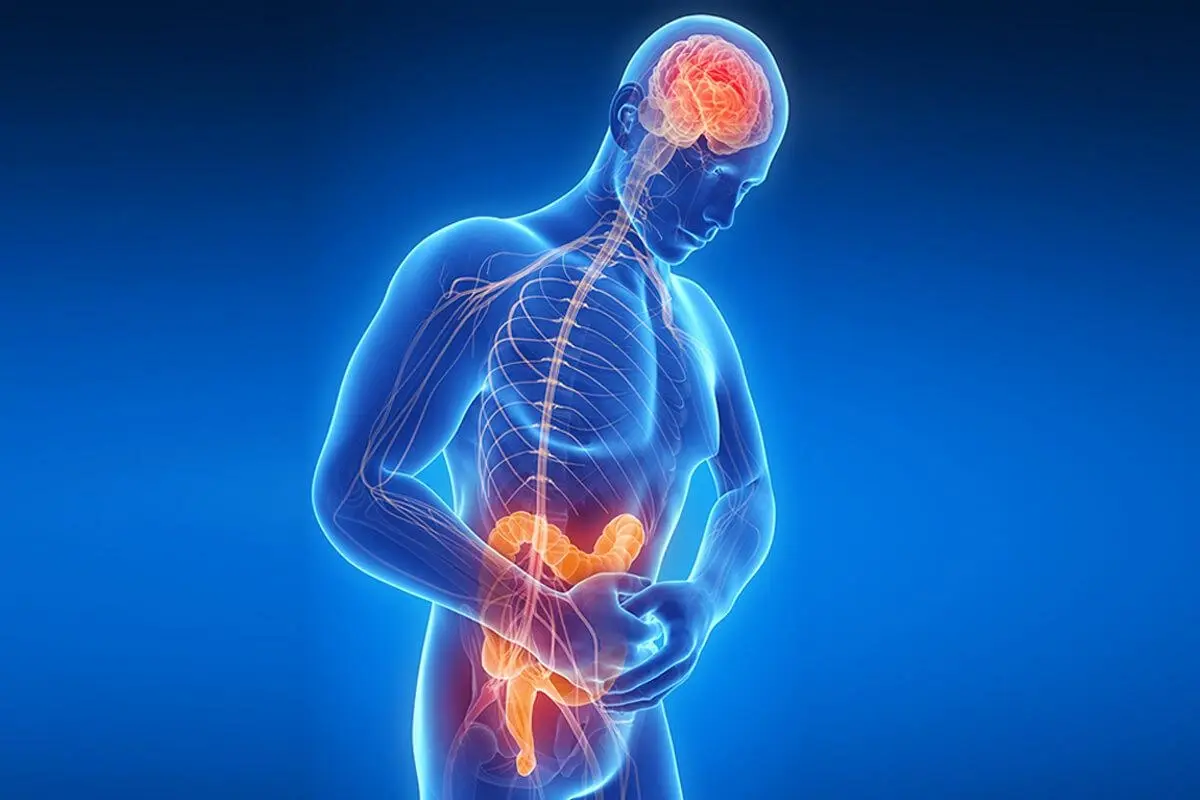
 You might wonder what connection there could possibly be between , the gut, and the vagus nerve. It turns out, there’s a direct link.
To recap, the vagus nerve is the longest nerve in the autonomic nervous system. It runs from the brain through the neck to the gastrointestinal tract, heart, and lungs.
According to an international team of molecular biologists, sends abnormal signals from the brain to the gut via the vagus nerve. As a result, there’s a release of serotonin, which can lead to the death of intestinal stem cells.
Research indicates that sleep deprivation disrupts the function of intestinal stem cells. Consequently, this increases the risk of developing inflammatory bowel diseases (IBD), such as ulcerative colitis and Crohn’s disease.
What Did the Scientists Discover?
In a study published in the journal Cell Stem Cell, researchers examined the multi-component mechanism of how abnormal signals are transmitted from the sleep center in the brain to the gut cells. This disrupted signaling reduces the regenerative capacity of the gut lining .
To understand how a lack of sleep affects the gut, the team focused on its stem cells. These cells play a crucial role in maintaining gut health and, specifically, the integrity of its lining.
During the study, researchers deprived laboratory mice of sleep for two days and then found signs of oxidative stress in their guts. The mice that were sleep-deprived had nearly half the number of stem cells compared to those that had rested well. Additionally, the sleep-deprived rodents showed a reduced ability to regenerate after damage.
“This clearly demonstrated how quickly and severely sleep disruption can harm the gut,” said study co-author Zhengchuan Yu, a molecular biologist at China Agricultural University.
Further investigation into the molecular changes revealed that sleep deprivation in mice was associated with increased levels of serotonin in their guts.
Serotonin is critical for signaling the gut to release digestive juices and for controlling the muscle contractions that move food through the digestive system. However, prolonged exposure to high levels of serotonin can lead to diarrhea, inflammatory bowel diseases, and tumor development. Therefore, strict regulation of serotonin levels is essential for the health of this organ.
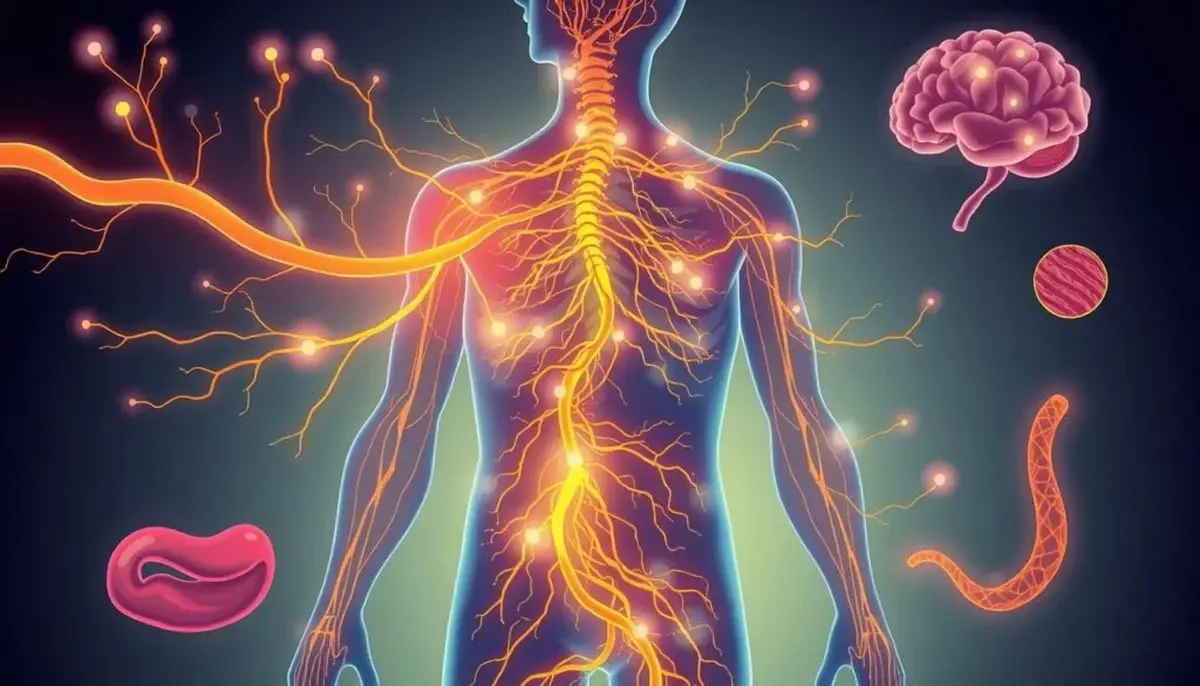
But How Do Brain Signals Related to Sleep Deprivation Reach the Gut?
The team hypothesized that this is possible through the vagus nerve, which regulates the connection between the gut and the brain under .
To test their theory, researchers examined the effects of sleep deprivation in mice with damaged vagus nerves. These animals maintained normal serotonin levels. Moreover, the number of intestinal stem cells in them was higher compared to sleep-deprived rodents with intact vagus nerves.
Interestingly, blocking signals from the vagus nerve protected the gut from the consequences of sleep disruption.
Researchers also identified the chemical messenger acetylcholine as the primary signaling molecule released by the vagus nerve; it triggers the release of serotonin.
“Every component of this cascade is important for potential therapy,” said study co-author Maxim Pliakus, a cell biologist at the University of California, Irvine (USA), in an interview with Live Science. He noted that the team plans to study this cascade using miniature gut models—organoids.
The researchers aim to develop treatment methods for gut dysfunction in patients with insomnia by focusing primarily on the vagus nerve.
Experts estimate that sleep deprivation is a problem for 10 percent of the adult population worldwide. In addition to systematically disrupting daily life, chronic sleep disturbances are also linked to an increase in chronic diseases, including diabetes, hypertension, major depressive disorder, and ultimately, inflammatory bowel diseases.