
“Can You Hear Me, Enchanting Marishka?”
One legend tells of a girl of otherworldly beauty named Marishka, whose lineage traces back to Mezhyhirya and the vast Carpathian expanses—where “mountains and meadows, where swift streams and rivers flow.” Her surname, or perhaps stage name, comes from a healing evergreen herb with magical medicinal properties found in Polissya.
Others said her childhood was nomadic, spent in the harsh conditions of a Romani camp. From there, by the way, came her pitch-black hair and the captivating gaze of her large, beautiful eyes. Still others gossiped that she was a dark-skinned American woman, allegedly found in one of the officially prohibited establishments frequented by distinguished gentlemen and women of ill repute.
People in the courtyards and stairwells of the country, where the only source of information about foreign pop culture was “radio voices” from transistor radios (and those not officially allowed), or at best Artemiy Troitsky’s articles in the monthly magazine Rovesnyk, would invent all sorts of stories.
In the 1970s, only those lucky enough to possess original or licensed records of the Dutch band The Shocking Blue or illicit tape copies distributed through underground channels could explain who “Shizgara” was and what it meant.
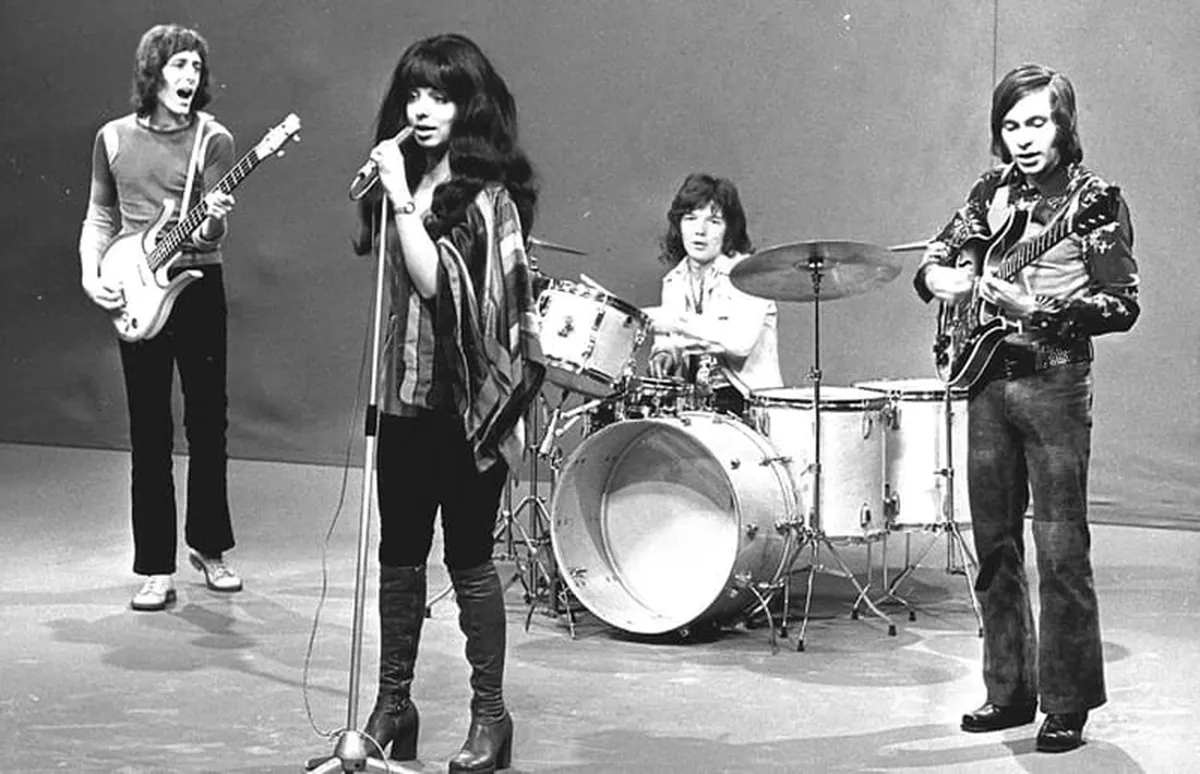
The Shocking Blue
Actually, there was another semi-legal workaround at the official level, thanks to friends from the “socialist camp,” who, as was often said, were surprisingly progressive.
In 1972, the state company “Melodiya” released a record with a plain cover (strictness and discipline — “Soviet style”) titled Pop Orchestras of Aldo Zeman and Yuri Velchovsky, featuring recordings of Czechoslovak orchestras. The last track was “Venus,” performed by Czech singer Olga Shabova. Perhaps it was for the best that Soviet listeners received a cover without identifying marks: had they seen the artist’s photo, the “microchips” in their heads might have overheated. After all, Shabova (whether by chance or not) looked very much like Marishka Veres—the original performer of the popular song “Venus.” It’s hard not to see this as a kind of “response to the capitalists.”
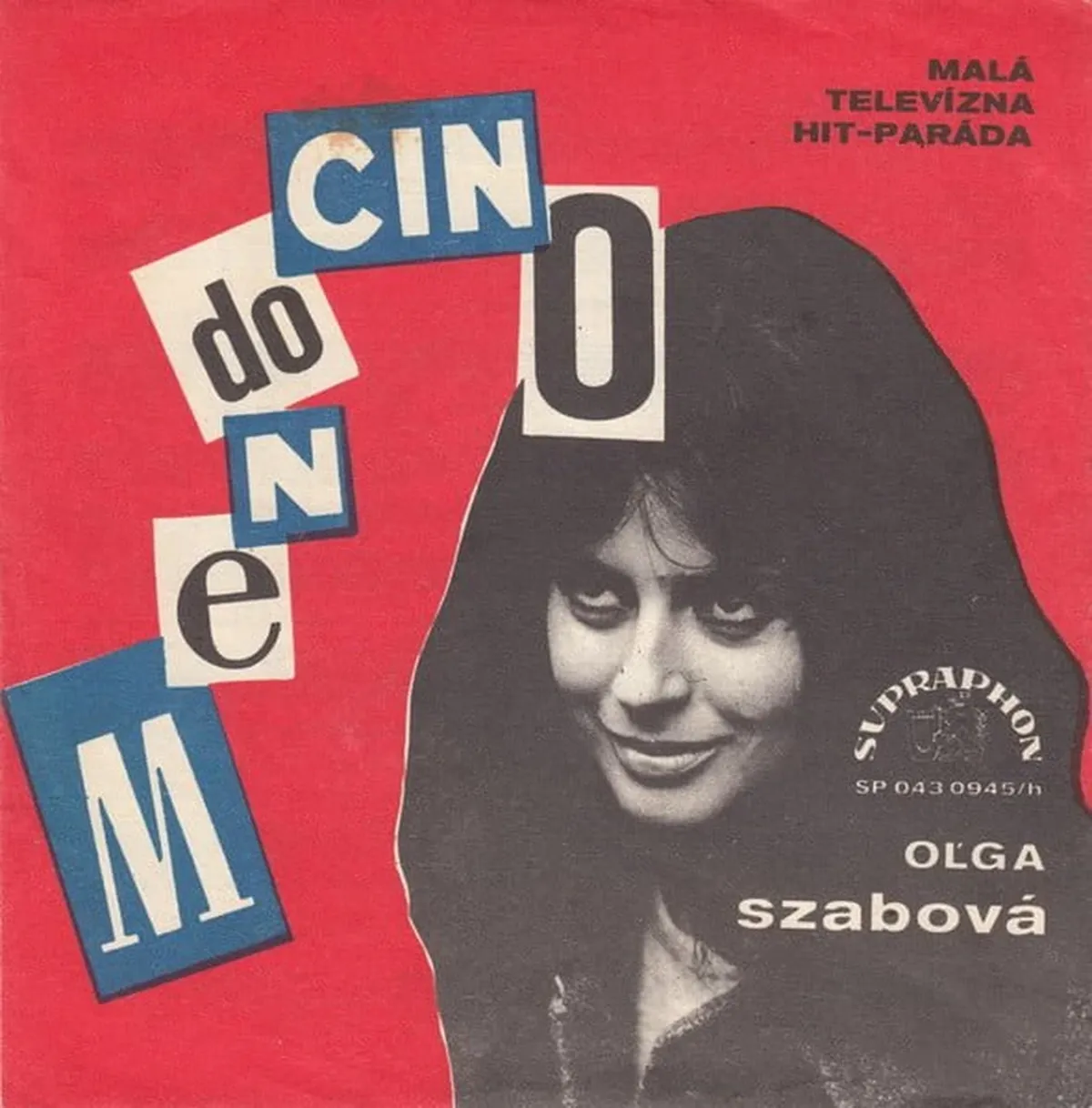
Olga Shabova
Here is that song:
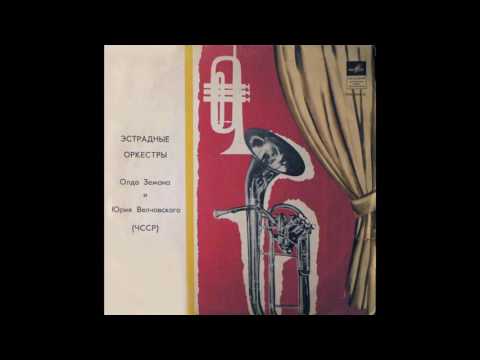
Being a Rock Star Is No Easy Job
The Czech version of the song clearly shows English articulation, and the chorus distinctly sounds like “She’s got it,” a phrase that misled many Soviet listeners and helped give rise to the myth of the mysterious “Shizgara.”
This was no coincidence. Marishka, who had Hungarian Romani ancestry, reportedly didn’t speak English well, and the Dutch pronunciation only added to the “Shizgara” phenomenon.
The singer was born in the Dutch city of The Hague; her father, a Hungarian Romani violinist, played in a Romani ensemble, and her mother had Russian-French roots. As a child, Marishka sang in an ensemble with her father while her sister Ilonka played piano. Later, in the mid-1960s, she became fascinated by rock music and the popular beat groups of the time. The Shocking Blue originally had a vocalist who was drafted, so the band was looking for a new lead singer.
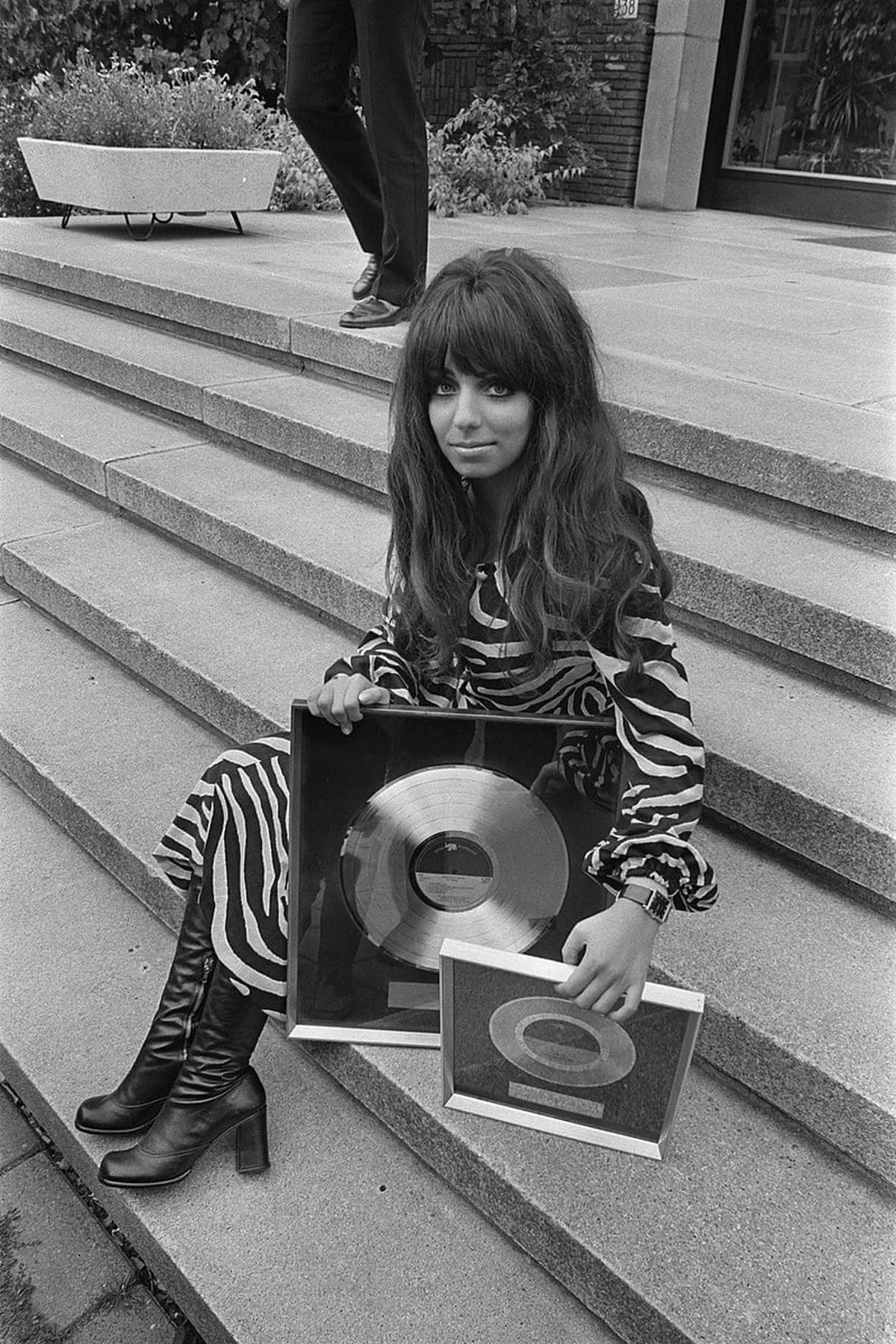
Marishka Veres
Impressed by one of Marishka’s performances with a beat group, the manager of The Shocking Blue persuaded the band leader and guitarist Robby van Leeuwen to recruit her as the new lead singer. He did not regret it. Though male frontmen dominated the world rock scene at the time (The Beatles, Jagger, Morrison, Plant, Gillan, etc.), the dark-haired woman with a mystical gaze and an extraordinary contralto foreshadowed big success. She was the “Venus” the world would come to know.

However, things were not as simple as they looked. Despite her stunning appearance and talent, Marishka was extremely modest, shy, and reserved. She didn’t drink or smoke. Before joining The Shocking Blue, she agreed to a condition: no relationships with band members and to keep an ethical distance—or, in practice, strict subordination.
In a later interview, Veres admitted she felt like a “painted doll” at the time, and no one dared approach her. Despite her strength and independence, Marishka was vulnerable, and life in a strict, male-dominated rock group sometimes took its toll. One notable incident came when van Leeuwen raised his voice at her during a rehearsal; she cried and ran to call her mother, who then complained to the band’s manager about the “tyrant guitarist.”
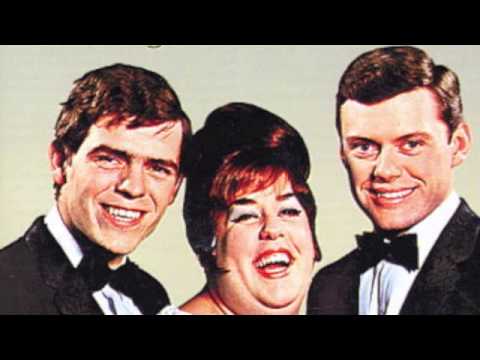
The hit you all know is by no means an original song by the Dutch authors, though it’s credited to them. It’s more a reworking of “The Banjo Song” by the American folk trio The Big 3, a short-lived group from 1963 that became known for that song. Later, the lead singer of that trio, Cass Elliot, would become famous with The Mamas and the Papas (you’ve probably heard “California Dreamin’”). Here is the origin of “Shizgara” itself:
“Shizgara” in the Cherry Orchard
Thanks to its simple, accessible chords, “Shizgara” was insanely popular in the USSR, echoing in courtyards and stairwells, during student brigades at collective farms, and in the breaks between Komsomol songs on work expeditions. Homemade lyrical rewrites were common (special English-language schools in the USSR were not available to everyone). Here is an example of that amateur creativity:
I am your virus, I am your dude,
Let’s head to Israel.
Note that after the Soviet government officially allowed emigration to the “Promised Land,” it became a mass phenomenon: in 1973, at the peak of the hit’s popularity, over 34,000 citizens left the country.
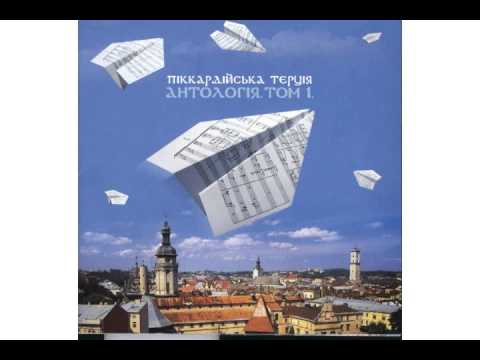
The female pop group Bananarama were among the first to cover “Shizgara,” giving it a second life and climbing the charts in the 1980s. Since then, many others have done the same, sometimes blatantly plagiarizing—like the popular 1990s band “Mechtat’,” which effectively turned “Venus” into their song “Pilot.” No less inventive is the version by the Lviv group “Pikkardijska Tertsia,” who brilliantly incorporated “Tam, u vyshnevomu sadku” (“There, in the Cherry Orchard”) into it:
Perhaps The Shocking Blue would have remained a Soviet listeners’ “one-hit wonder,” but in the early ’90s, noble audio “pirates” (a layer of society that both “robbed” foreign artists and educated post-Soviet citizens) released a near-perfect compilation of The Shocking Blue’s “Golden Hits” on vinyl. In the ’90s it sold in domestic department stores, and today it can still be found at vinyl fairs or shops.
Some suspect that this record inspired the creators of the pop hit performed by the graduates of the TV show “Chance”:

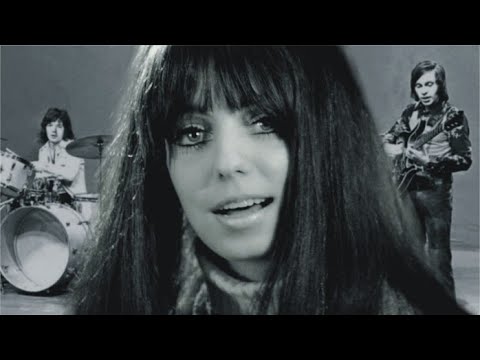
You don’t need to be an expert to hear that its authors, to put it mildly, borrowed from the Dutch band; the original was called “Long and Lonesome Road.” Listen here:
Such is the cyclical flow of the seven notes in nature. Or, as social media users say, “shocking blue” content.
