
The flowerbeds are bursting with color right now — and the work isn’t over. Loosen the soil around plants, carefully weed out unwanted growth, and give perennials a boost with organic fertilizers or a low-nitrogen mineral mix. You can still feed asters, chrysanthemums, and even dahlias through late August and into September.
Collect seeds from perennials like lilies, peonies, and phlox, as well as from annuals. August is also the time to continue grafting roses onto rose-hip rootstock. For bushes grafted in July, start loosening or removing the ties. At the end of the month, remove any wild shoots on rose bushes. This is also a good time to plant biennials in their permanent spots — Turkish carnations, Grenadine, oxeye daisies, mallow, foxglove, and violas.
Transplant and divide some perennials now, such as delphiniums and early varieties of phlox.
Start collecting bulbils from bulbous lily species and prepare beds with a nutrient-rich, well-draining soil mix — add compost, leaf mold, or peat to regular garden soil.
There’s plenty to do for houseplants too. At the beginning of the month, continue propagating geraniums (pelargoniums) from cuttings. Cut the tops off strong shoots, let the cuttings dry indoors for a few hours, then plant 2–3 cuttings per pot in a 3–4 cm moist layer of sand placed on top of a nutrient potting mix.
After a short rest, calla lilies enter a period of vigorous growth; keep them well-watered and fertilized during this time.
For fragrant freesias, plant the bulbs in boxes or directly into the soil now.
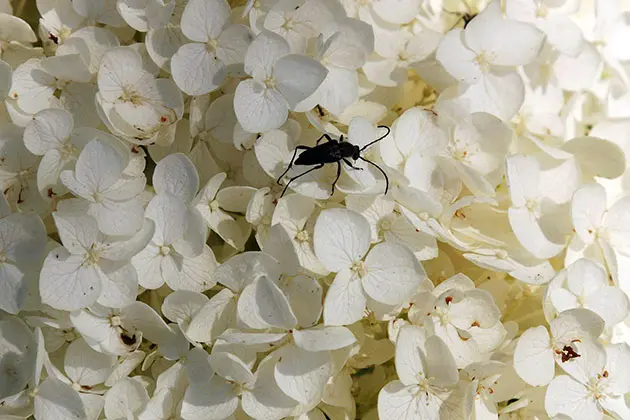
To encourage hydrangeas to set abundant flower buds, slow their vigorous growth by gradually reducing watering and fertilization.
Mist palms and ficuses that you’ve moved outdoors with water from a spray bottle as often as possible. You can also fertilize them with organic or mineral fertilizers one or two more times this month.
Succulent lovers should pay attention to zigocactus (also called Japanese lantern, crab cactus, or Christmas cactus). To help it bloom well in winter, gradually reduce watering but avoid letting the soil dry out completely. Keep the plants in bright light. Remove any underdeveloped segments with a sharp knife, since they won’t form well-shaped buds. Once buds appear, water generously.
Transplant strawberries now so they will yield abundantly in the second year. Choose well-developed, strong plants and plant them with soil around their roots, spacing them 15 cm apart in rows and 20–25 cm between rows. After planting, cover the seedlings with paper for 2–3 days.
When transplanting strawberries, make sure the root collar is level with the soil surface.
To control pests such as leafhoppers, spider mites, codling moths, scab, and sawflies on apple and pear trees, spray the plants with an ash-and-soap solution mixed with nitrophoska.
Feed and spray raspberries with an ash-and-soap solution mixed with nitrophoska to protect against raspberry beetles, stem flies, and other pests.
Provide supports for apple and pear branches that are weighed down by fruit.