
Earlier studies show people who limit social contact face a higher risk of developing . The effect appears strongest in women.
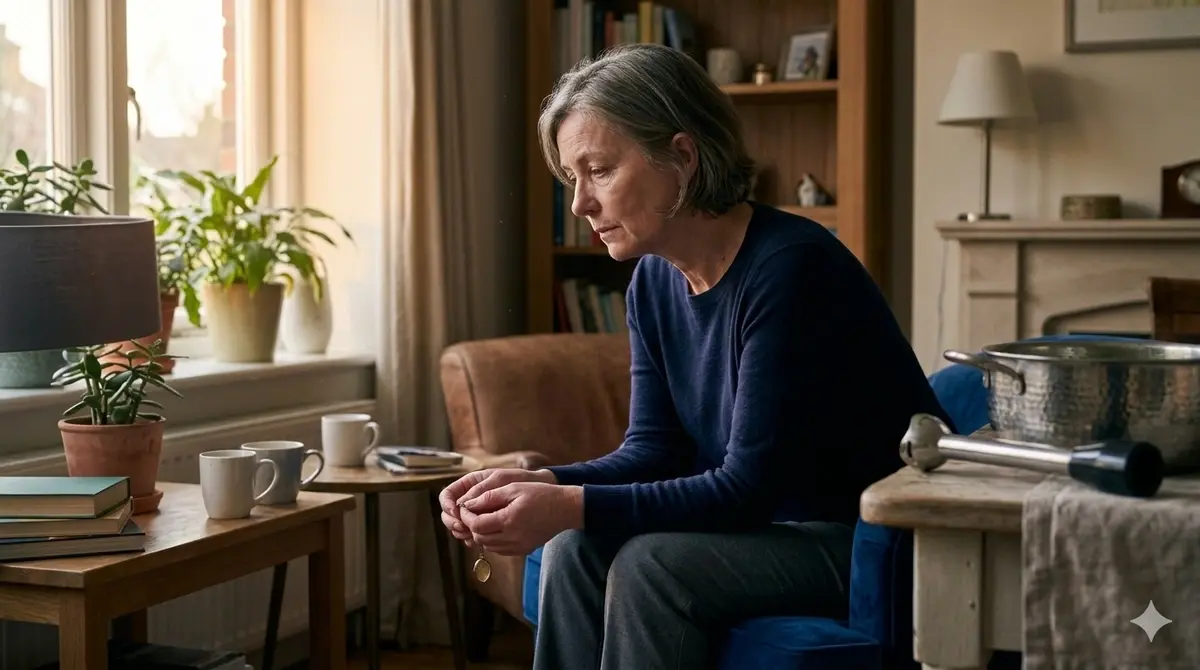
Scientists have repeatedly warned that loneliness can seriously harm health. Loneliness increases the risk of depression, cardiovascular disease, and .
Authors of a new study from Guangzhou Medical University in China found that people in social isolation get cancer more often. That link becomes stronger when loneliness combines with factors such as income level, lifestyle, and inflammatory processes in the body.
What researchers found about loneliness and cancer risk
The scientists analyzed health data from 354,537 people aged 38 to 73 in the UK Biobank.
At the start of the study none of the participants had cancer, the Daily Mail reported. All participants completed a questionnaire that asked how many people they live with, how often they see family or friends, and how often they attend social events.
People who lived alone received one point. Another point was added if a participant saw family and friends less than once a month, and another point was added for not attending social events at least once a week.
Participants who scored fewer than two points were classified as socially isolated. That group included 20,767 people, or 5.8 percent of all participants.
Those who admitted they often feel lonely and rarely confide in others were categorized as lonely. That group numbered 15,942 people, or 4.5 percent of participants.
Over about 12 years of follow-up, 38,103 participants were diagnosed with cancer.

After analyzing the impact of preexisting conditions, smoking status, and mental health on participants’ health, the researchers concluded that social isolation was associated with an 8 percent increased risk of cancer.
Women with few social contacts were more likely to develop cancer than men. In women, isolation most often preceded breast, lung, uterine, ovarian, and stomach cancers.
Women who rarely attended social events had an 84 percent higher risk of stomach cancer than women who stayed socially engaged.
Participants of both sexes who were socially isolated also showed an increased risk of bladder cancer.
Dr. Jiahao Chen, the study’s lead author, said: “Social isolation, as an objective state of reduced social contact, directly affects health and biological processes such as stress, inflammatory responses, and altered cellular pathways, which together promote cancer development.”
The team concluded that to lower cancer risk, it’s crucial to tackle social isolation and loneliness.
The study was published in the journal Communications Media.