
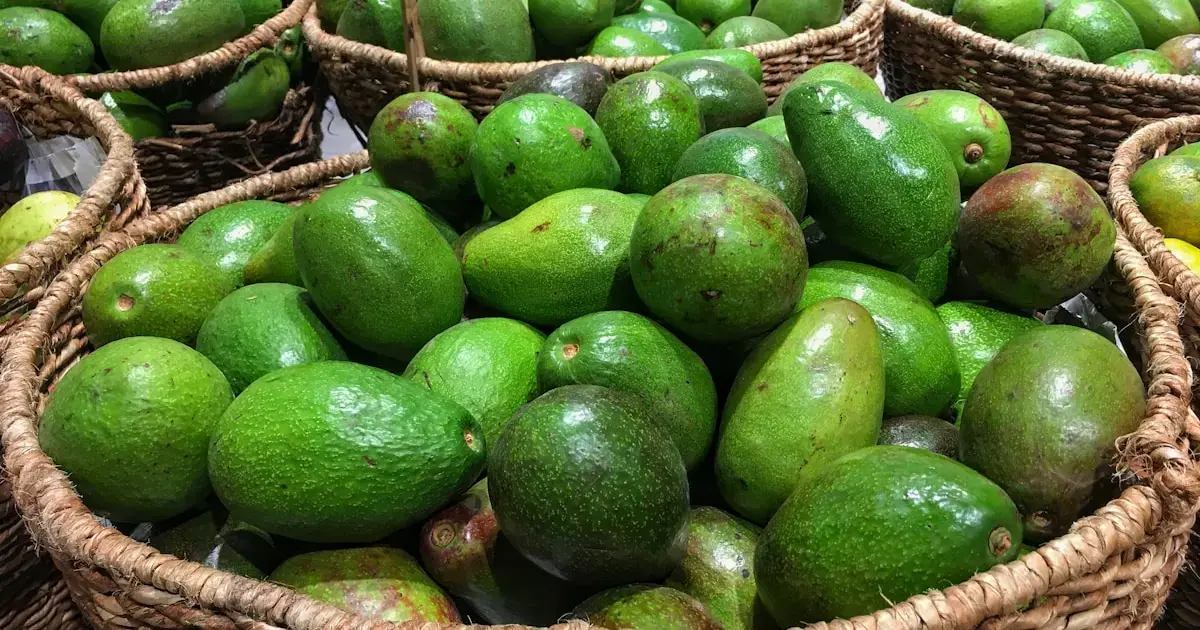
Whether mashed on toast or added to a salad, the avocado has become an essential part of healthy eating.
This fruit (yes, it’s truly a fruit) is considered a superfood because it’s packed with nutrients and contains healthy monounsaturated fats, protein, fiber, potassium, as well as vitamins K, E, and C.
Avocados originate from the mountainous regions of Mexico and Guatemala. They are sometimes referred to as butter pears due to their creamy texture or alligator pears because of their bumpy green skin.

In the 2010s, avocado toast became a trendy dish, symbolizing a healthy lifestyle and even a certain extravagance among millennials.
Previous studies have shown that regular consumption of avocados reduces the risk of cardiovascular diseases, helps normalize cholesterol levels, aids in weight management, and contributes to better eye and skin health.
What Did We Know and Not Know About This Healing Fruit?
Renowned British dietitian Gabriela Peacock told the Daily Mail: “Avocados are rich in healthy fats and fiber, which boost energy, promote skin health, and support longevity. They are a fantastic addition to the diet as they are nutritious, filling, and easy to turn into quick meals.”
According to nutritionist and health expert Haniya Widmar, avocados fit perfectly into modern dietary trends. They are a whole food rich in healthy fats that help stabilize blood sugar levels, making them suitable for both plant-based and low-carb diets.
Although avocados are high in fat and calories (a medium-sized fruit contains about 240-320 calories and 22-30 grams of fat), the idea that they aren’t healthy is a myth.
Here’s what well-known London dietitian Lily Sautter has to say: “While avocados contain healthy fats, they can be consumed as part of a balanced diet. However, it’s important to pay attention to portion size. Generally, the standard daily serving is half of a medium avocado.”
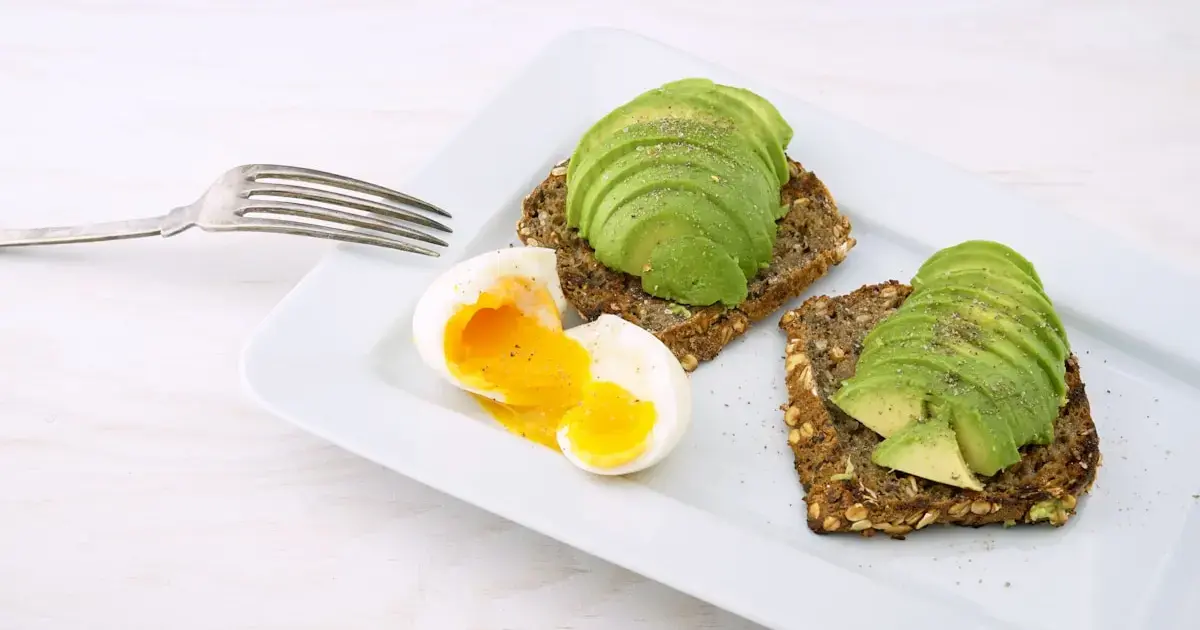
You don’t have to limit avocados to toast, guacamole, sushi, pesto, or even brownies. Cold-pressed avocado oil also fits well into a healthy diet.
Avocado is also used to make numerous skincare products, such as lotions, creams, and hair masks. These too can be part of a healthy routine.
Can You Eat Avocado Every Day?
For avocado lovers, there’s good news: dietitians say you can eat this fruit every day as part of a balanced diet.
Regular avocado consumption is not restricted for pregnant and breastfeeding women, since the fruit contains many essential nutrients like folic acid, potassium, and the aforementioned healthy fats.
Daily avocado intake is also fine for people prone to sharp blood-sugar fluctuations. The fruit’s combination of low sugar, high fiber, and healthy fats helps maintain stable energy levels.
However, dietitians caution that while combining avocado with other foods is generally safe, it’s best to avoid pairing it with very salty, ultra-processed foods, large amounts of fatty dairy, or dishes with overly strong flavors that can overshadow the fruit’s delicate creamy taste.
How to Tell if an Avocado is Ripe?
It’s perfectly acceptable to buy unripe avocados and let them ripen at room temperature. But if you need to use them immediately, it’s important to know what a perfectly ripe fruit looks like.
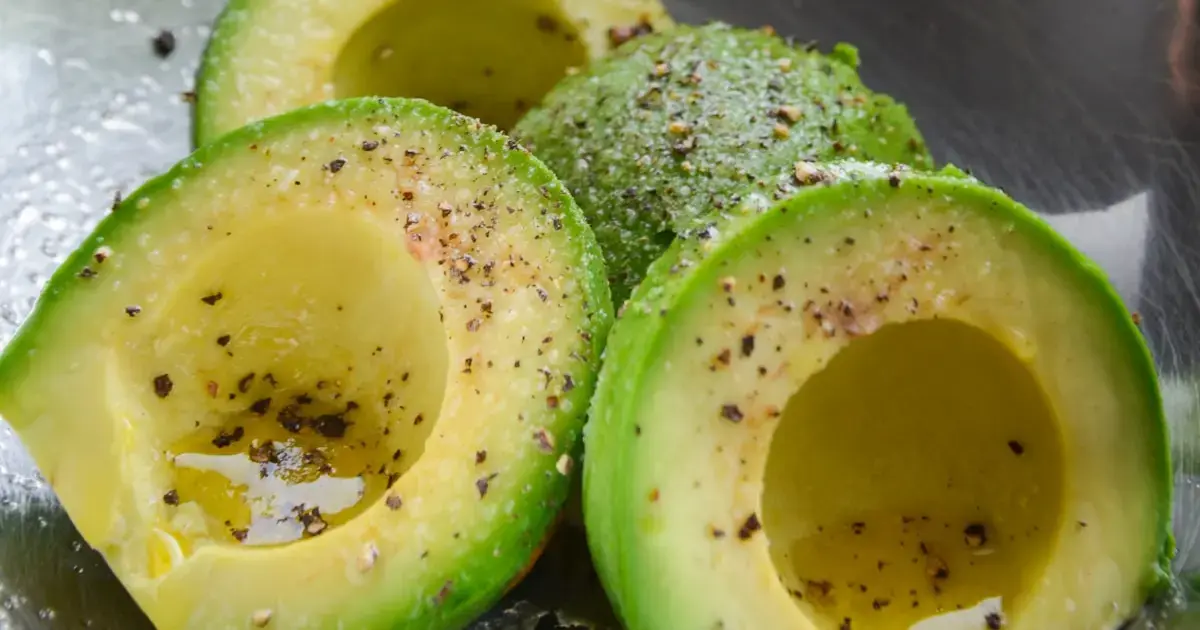
Experts confirm that a ripe avocado feels slightly soft to the touch and often has darker skin. The fruit should be dark green, not black. An avocado that is very soft and black is considered overripe.
Spoiled avocados are characterized by large brown or black spots on the flesh, a sour or rancid smell, mold, or a slimy texture. Such fruits should not be eaten.
What Can You Do with Overripe Avocados?
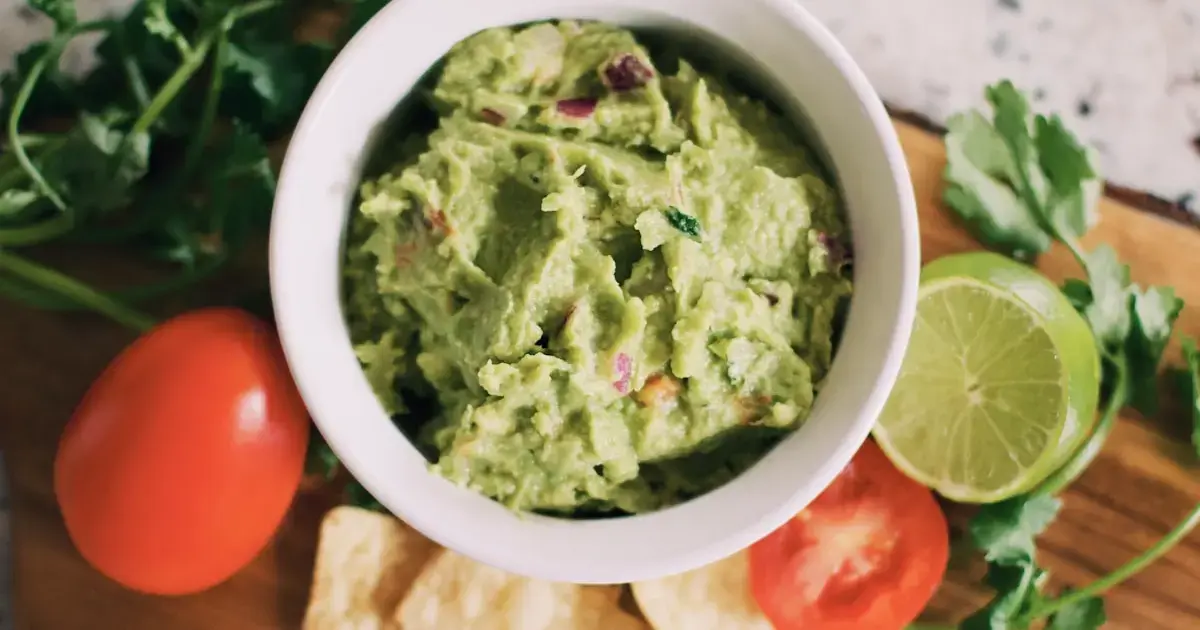
You can make guacamole from overripe avocados—a quick and easy dish (the recipe is at the end of the article).
Very ripe avocados are perfect for spreading on toast, where texture is not as crucial, for baking—such as in chocolate brownies—and for raw chocolate mousse.
Thanks to their creamy consistency, avocados provide the necessary thickness for salad dressings.
You can also freeze cubes of pureed overripe avocado to use later in smoothies.
Should Avocados Be Stored in a Pantry or Refrigerator?
Unripe avocados should be kept at room temperature, and after ripening, store them in the refrigerator to slow down spoilage.
Cut avocados should be tightly covered and stored in the refrigerator, spritzed with lemon or lime juice to prevent browning.
How to Make Avocado Even Healthier?
To get the most benefits from avocados, pair them with proteins and vegetables. Dietitian Jenna Hope recommends adding the fruit to salads or rye toast.
Avocados pair especially well with vegetables and foods rich in vitamins A, D, E, and K. The healthy fats in the fruit help the body absorb these fat-soluble vitamins more effectively.
Peacock says combining avocado with fatty fish is especially good for heart and brain health.
How to Prepare Guacamole?
The name of this Mexican dip made from pureed avocado comes from the Aztecs, and the dish has been enjoyed for centuries.
Mash 1–2 ripe avocados with the juice of half a lime. Add a pinch of salt, finely chopped red onion, and fresh cilantro, and for some heat, a bit of fresh chili or chili flakes (to taste). Don’t forget the lime juice.
Additional ingredients can include tomatoes, bell peppers, garlic, and coriander.
Store the dish in the refrigerator in an airtight glass container for 3–4 days.
Photo: Unsplash