
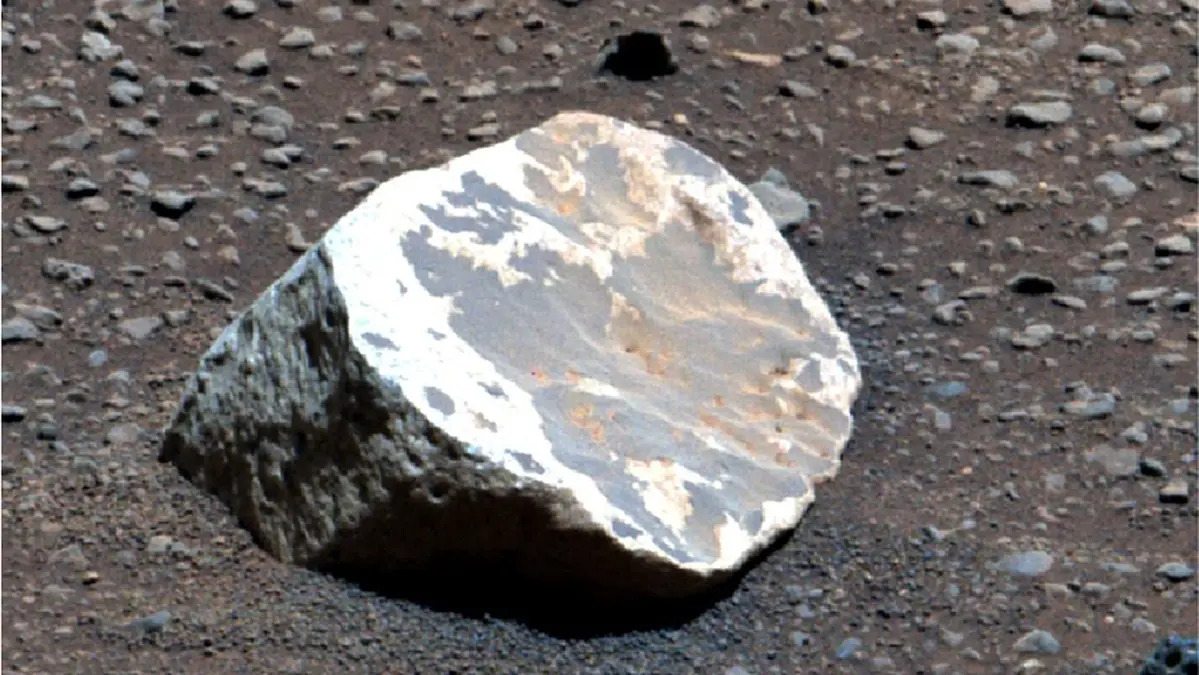
New observations from the Perseverance rover have led researchers to a surprising conclusion. Analysis of the bleached rocks on Mars revealed that the planet once had wet, humid areas with abundant rainfall, similar to tropical regions on Earth.
What Did the Researchers Report?
Scientists have become seriously intrigued by these unusual light-colored rocks. Upon closer examination, they discovered that these rocks are kaolinite: a clay rich in aluminum, as reported in a paper published by the journal Communications Earth & Environment.
On Earth, kaolinite typically forms in very warm, humid conditions, such as those found in tropical forests. It usually develops in rocks that have been stripped of other minerals over millions of years of regular rainfall. However, the modern Red Planet is known for its cold and dry climate, as noted by Live Science.
“So when you see kaolinite on a barren, cold world like Mars, where there is no liquid water on the surface, it suggests there was once much more water here than there is now,” said Adrian Broz, a soil scientist at Purdue University (USA) and the lead author of the study.
Broz and his team compared the structure of Martian kaolinite, studied using several instruments aboard Perseverance, with Earth samples from South Africa and San Diego. The rocks turned out to be surprisingly similar, indicating they may have formed in similar ways.
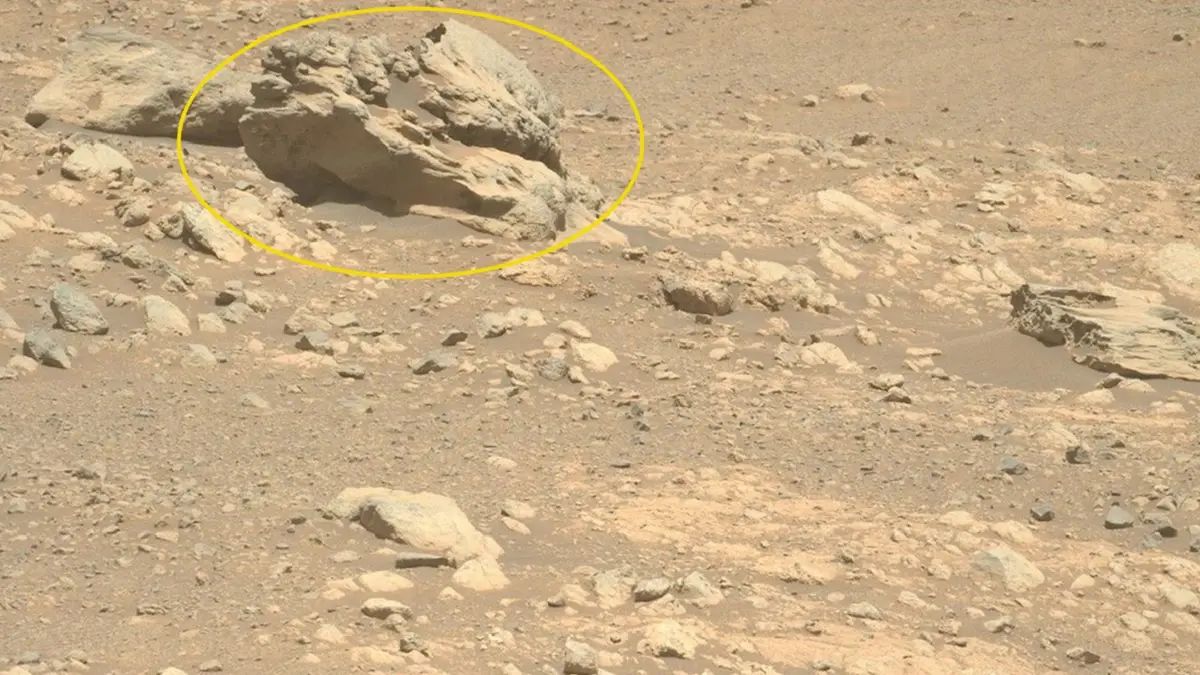
Satellite images of Mars’s surface may reveal larger deposits of kaolinite in other parts of the planet. However, Perseverance and other rovers have yet to explore these areas.
“Until we get there with a rover, these small rocks will be our only available evidence,” said planetary scientist Briony Gorgan, a co-author of the study.
The presence of kaolinite on Mars lends weight to the idea that the Red Planet was once a wet oasis in the distant past. However, scientists are still unsure how Mars dried up.
According to one leading theory, Mars lost its water three to four billion years ago when its magnetic field weakened enough for solar winds to strip away its atmosphere. This process was likely complex and multifaceted.
Researchers hope that studying these ancient clays will ultimately help them understand how and when Mars lost its water. According to Broz, this could also provide clues about Mars’s potential habitability.