
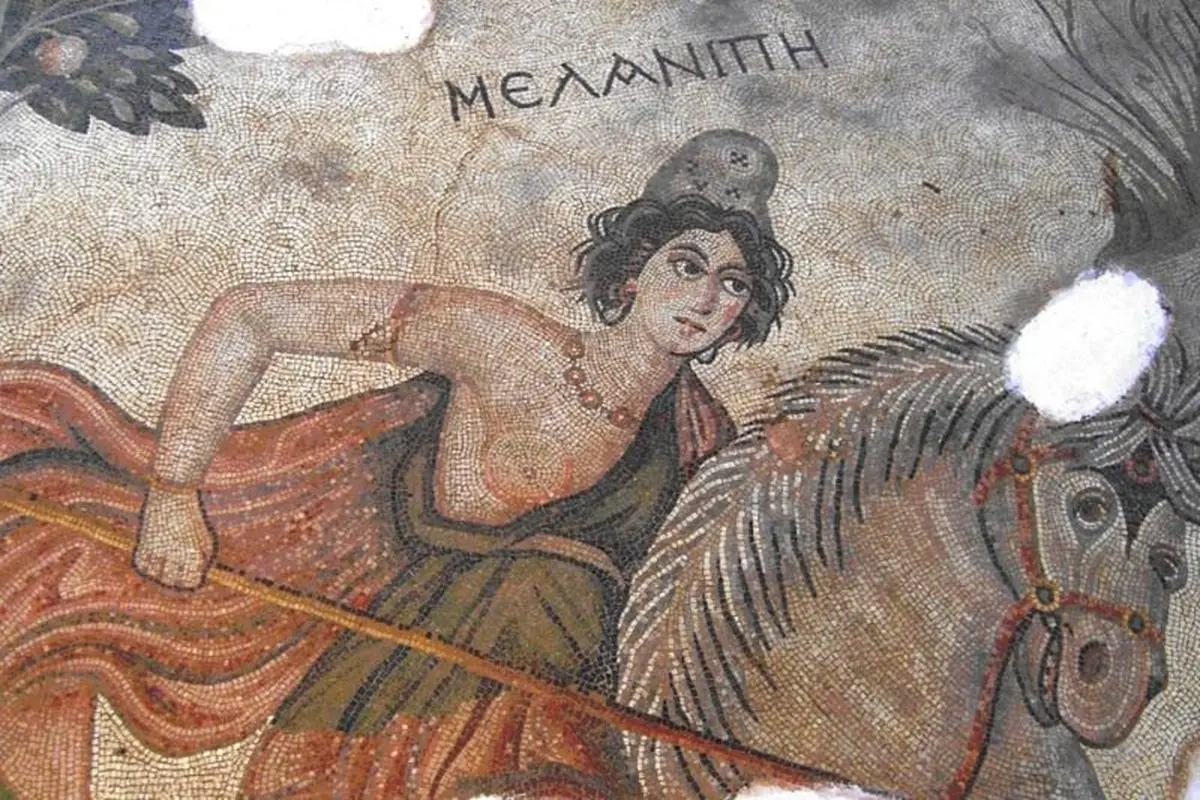
 Researchers have revisited the Birds Room mosaic from the so-called Villa of the Amazons, excavated between 2006 and 2009 at the Halepli Bahçe site in ancient Edessa in southeastern modern-day Turkey.
The stunning mosaics adorned the floors of all 12 rooms in the Villa of the Amazons, which likely belonged to a high-ranking official of the Eastern Roman Empire during the 5th to 6th centuries AD. The building got its name from depictions of legendary warrior women.
Scholars have studied the villa since its discovery, but they recently took a fresh look at one of the mosaic masterpieces in this elite residence.
Lotus Flowers and Marsh Birds
Researchers revealed that the remarkable mosaic on the floor of the Birds Room is a rare example of Nilotic culture. This artwork uniquely blends influences from local Anatolian traditions, ancient Egypt, and the Eastern Roman Empire.
Nilotic culture refers to the cultures of peoples who lived along the Nile River basin and adjacent territories.
The Birds Room, or Room 5, is centrally located in the villa. This is the largest and most prominent space (10.8 x 16.5 m) and likely served as the main reception area in its time.
Although much of the floor mosaic is damaged, the preserved fragments indicate the high skill level of the artist who created it.
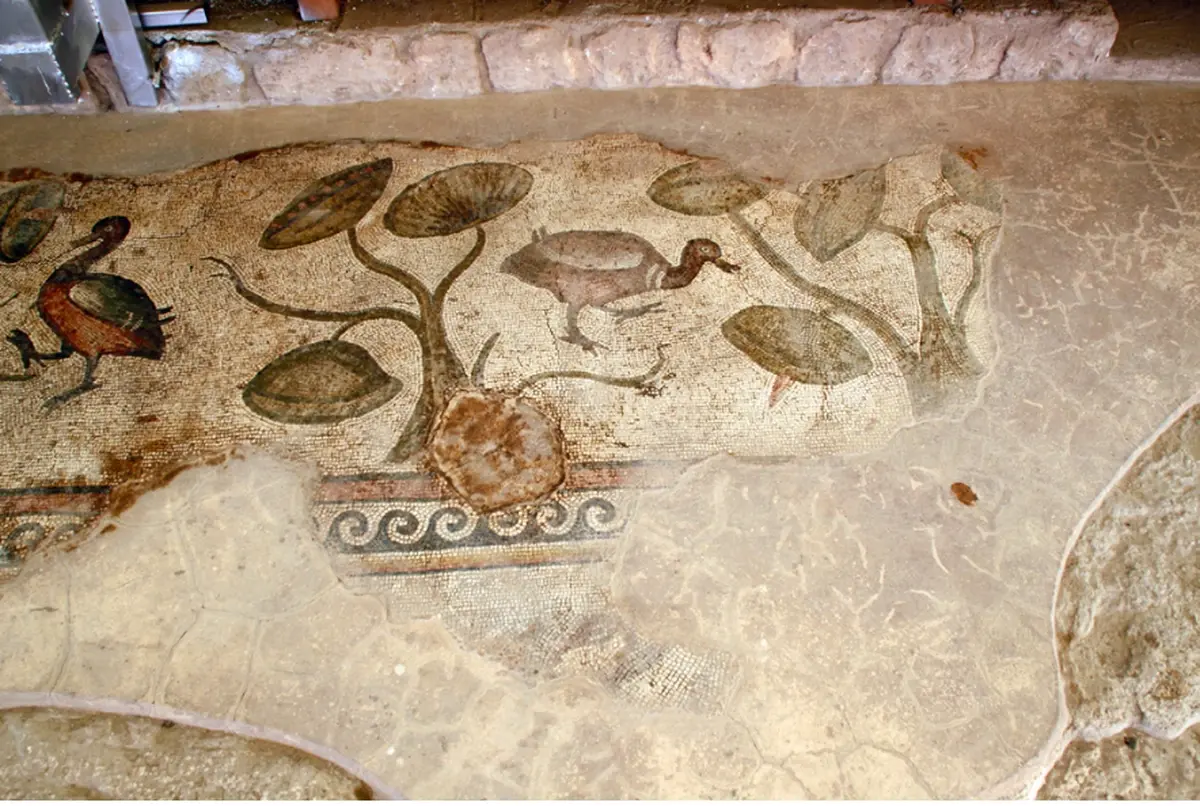
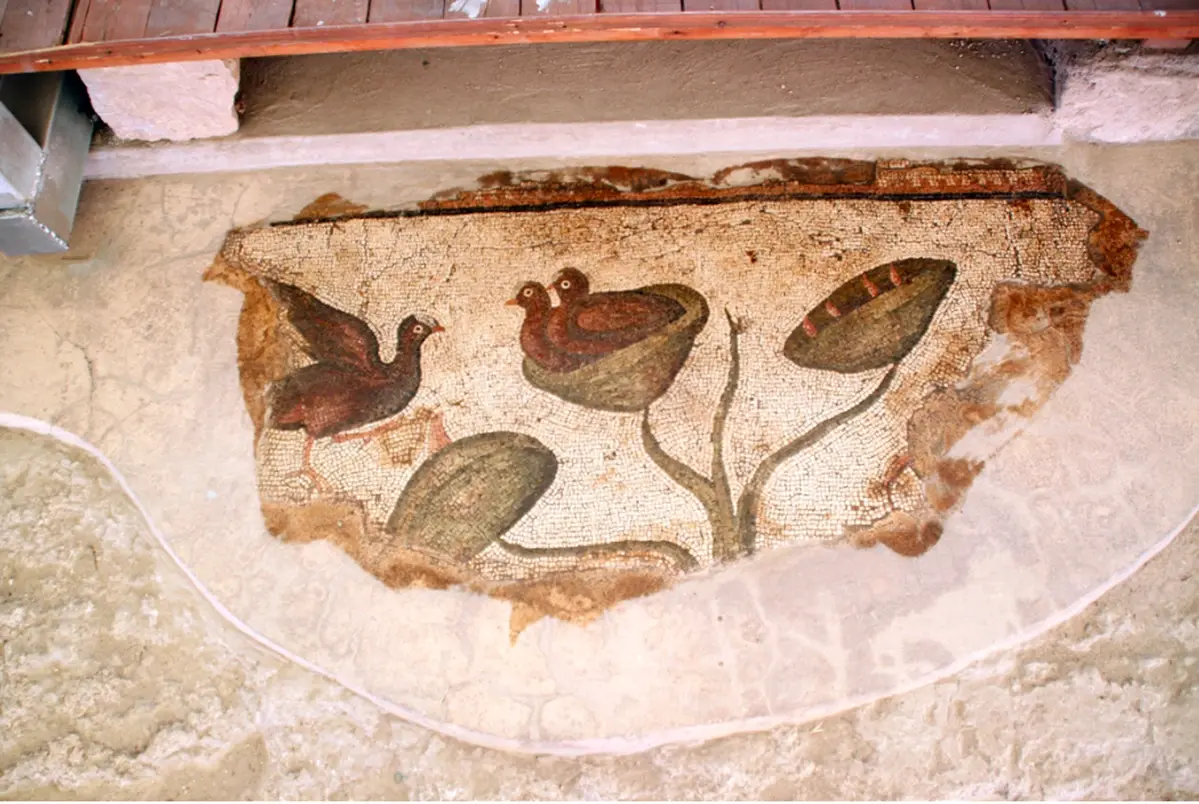
In the decorative border of the mosaic, one can see stylized lotuses as well as waterfowl — including ducks, cranes, storks, ibises, and coots — that symbolically reference the Nile River and its fertile delta.
Researchers believe the motifs of the Indian lotus (Nelumbo nucifera) were chosen deliberately. The plant, shown at various stages of growth from bud to seed pod, is closely associated with fertility, rebirth, and abundance in ancient Egyptian belief. Lotus imagery is common in Nilotic art, and its presence in the villa in Edessa underscores the far-reaching influence of Egyptian culture on aesthetics in the Eastern Mediterranean at the time.
Unlike earlier Hellenistic mosaics that feature naturalistic river scenes, the Birds Room floor panel lacks any depiction of water.
In the western part of the mosaic, one of the most intriguing scenes shows a small chariot containing headless male and female figures. The man is partially naked, while the woman holds a fruit — a traditional symbol of abundance, Arkeonews reports.
Researchers believe this scene alludes to the Nile and to the ancient Greek goddess Euthenia, who symbolizes prosperity and abundance. Similar depictions appear in Nilotic mosaics in Syria and the Levant.
If this interpretation is correct, the Birds Room mosaic is a rare example of Nilotic symbolism integrated into a private residence in Anatolia.
Researchers also argue that a large hunting scene once dominated the center of the mosaic. Today only a male figure in a short tunic and trousers — typical hunter attire in late Roman art — survives, holding a spear. Next to the man are stylized trees, shrubs, and rocky outcrops.
Why This Mosaic Matters
The significance of the Birds Room mosaic lies in its unusual combination of Nilotic tradition and hunting scenes, a pairing that is uncommon in late-antiquity works.
The presence of Nilotic motifs in the villa’s decor, rather than in baths or public buildings as was more customary, makes this artwork particularly distinctive.
The mosaic also showcases the artistic sophistication of Edessa’s residents under the Eastern Roman Empire. The high craftsmanship and intricate symbolism point to skilled mosaic workshops and strong cultural connections in the region.
By blending local traditions with Egyptian and Greco-Roman symbolism, the mosaic highlights Edessa’s role as a cultural crossroads between east and west.
The new research, which offers a fresh perspective on a mosaic from the Villa of the Amazons, shows that even fragmentary works of art can add new dimensions to our understanding of the ancient world.
