
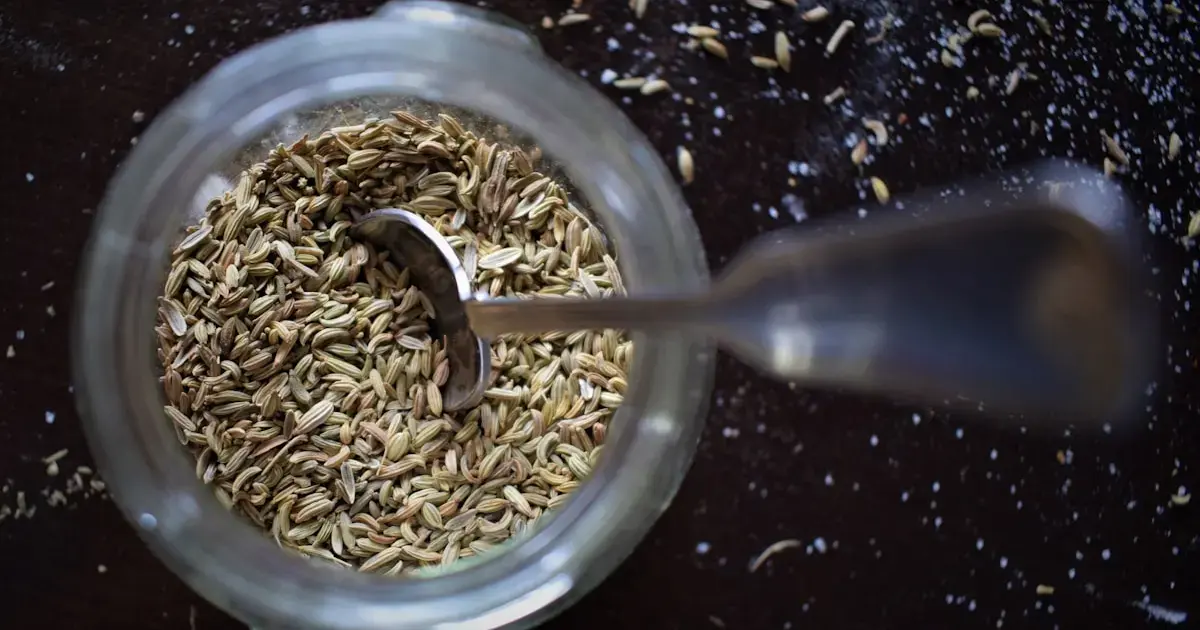
 Lab-grown cell experiments suggest cumin may even suppress the formation of fat cells.
Black cumin (Nigella sativa) is a flowering plant native to Western Asia and Eastern Europe. Its seeds are commonly used as a spice. Traditional healers prepare oils, pastes, powders, and extracts from cumin. Archaeological evidence suggests that people have been cultivating Nigella sativa for thousands of years, as reported by Science Alert.
But Western science has only recently begun rigorously testing cumin. Although human data are still limited, initial results indicate this common spice has underappreciated health benefits, including antioxidant and anti-inflammatory properties.

What Did the Researchers Discover?
During a clinical study conducted by a team from Osaka University (Japan), 22 participants who consumed 5 grams of black cumin seed powder daily showed a decrease in “bad” cholesterol levels and an increase in “good” cholesterol after just eight weeks. No such changes were observed in the 20 individuals in the control group.
Those changes came from just one teaspoon of cumin powder a day. Ultimately, the researchers suggested this dietary addition could improve cardiovascular health and lower future heart disease risk.
“This study shows that black cumin seeds are beneficial as a functional food for the prevention of lifestyle-related diseases. Black cumin produced real, observable effects on lowering blood lipid levels during human trials,” said Akiko Kojima-Yuasa, a professor of nutrition and the lead author of the study.
These new findings complement results from several previous studies that showed cumin can aid weight loss and reduce cholesterol. More convincing evidence has only recently emerged. The research team led by Professor Kojima-Yuasa demonstrated that black cumin inhibits fat formation by influencing key genetic regulators of metabolic processes.
“We hope to conduct longer and larger clinical trials to further explore the relationship between black cumin and metabolism. We are particularly interested in studying the impact of cumin on insulin resistance and on inflammation markers,” Professor Kojima-Yuasa said of future objectives.
The study results were published in the journal Food Science & Nutrition.
Photo: Unsplash
