
It’s no secret that living life to the fullest matters, even if you have health problems or immune concerns. You probably want to look and feel your best and be able to enjoy the things you love. When you’re young, that often comes more easily — but poor environmental conditions, constant stress, and heavy workloads at school or work can weaken your immune system and lead to health issues. That’s why keeping your body active is so important. Movement helps you stay in shape, reduces the risk of many diseases, brings joy, and boosts overall well-being. Take care of your body, and your life will improve.
We’re not suggesting you train for the Olympics overnight. The point is to wake up one day thinking, “I want to be a healthy, happy mother, and my body will be ready when that day comes.” Being in good shape matters for everyone, but especially for future mothers: during pregnancy your baby’s weight increases every week, and during childbirth you need flexible, strong pelvic, abdominal, and back muscles and elastic ligaments. After the baby arrives, you’ll be lifting and carrying a growing child while juggling many tasks.
To avoid collapsing from exhaustion as a mom, work on your fitness now. There are countless activities to choose from — pick something you enjoy. Whether it’s aerobics or swimming, dancing or morning stretches, jogging, tennis, or badminton, choose what resonates with you. Make workouts fun: get comfortable shoes, well-fitting clothes, great music, and a cozy space. Monitor your workload and avoid the common mistake of expecting dramatic changes in just a few days. Gather your inspiration and get started.
Strength training, gymnastic exercises, running, swimming, and games all improve blood circulation so every internal organ receives nutrients. Physical activity is also essential for losing weight and maintaining a healthy weight over time.
The most accessible exercises that don’t require special training are brisk walking, swimming, cycling, and running. Walking is a gentle but effective way to build endurance if you keep a steady, challenging pace over time. Walking strengthens muscles, the cardiovascular system, and the lungs, and helps burn calories. It also helps prevent varicose veins by keeping blood flow moving — a useful benefit since pregnancy increases pressure on the leg veins. If you want toned, healthy legs, start now. You can walk anywhere: streets, parks, stairs, while shopping, or just strolling with friends.
Swimming is another easy and effective option. Studies in Japan observed that women who worked as pearl divers often had easier births and healthy babies. Learning to swim is straightforward if you don’t already know how, and you can keep swimming throughout your life. Try aqua aerobics or synchronized swimming for variety. Swimming gives a full-body workout, improves flexibility, calms the nervous system, reduces tension, and can improve skin and metabolism.
Cycling is a reliable form of exercise, too. To see noticeable results, ride for at least 30 minutes per session, three times a week. Cycling strengthens leg muscles and benefits the heart and lungs. It also lets you enjoy scenery and company, especially if you ride with a friend.
Morning runs can be very beneficial, but approach them sensibly: follow expert guidance and avoid overdoing it. Running at a moderate pace for 20–25 minutes a day is plenty for many people.
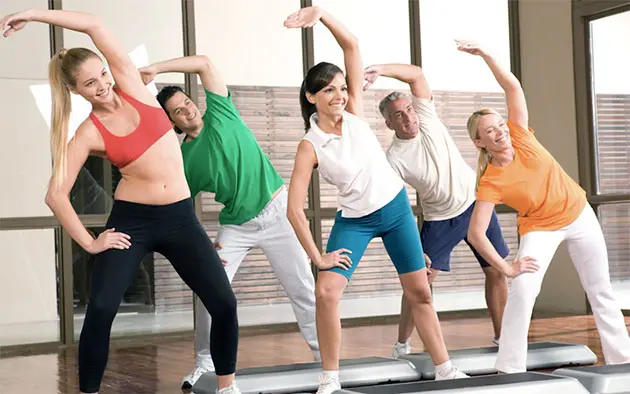
Aerobics and fitness classes are popular options. If you don’t like dance but want to move to music, try strength aerobics to build endurance and improve body composition. Dance aerobics offer a fun way to learn styles like Latin or hip‑hop while getting exercise. Aqua aerobics can help burn fat and combat cellulite. Group classes add an extra benefit: when everyone follows a sequence and rhythm, your body syncs with the group. Rhythm is one of the core principles of exercise. Working with a trainer or instructor can also help — they can show you which muscle groups to engage and relax and how to coordinate movements with your breathing. Those skills will be useful during childbirth when specialists guide you through labor.
Whatever you choose, focus on training one muscle group at a time while gradually working your whole body — you’ll see results faster. Give your body a quick stretch every morning to energize yourself and avoid skipping a warm-up later in the day.
When training your abdominal muscles, keep the load intense but brief: 20–25 reps per set is enough. Do abdominal work at the end of your main workout. Short daily sessions of 10–15 minutes are more effective than longer sessions every few days.
Ask yourself: what’s stopping you from moving today for the sake of a healthier future? Don’t deny yourself. Start now and move toward a stronger, healthier future.