
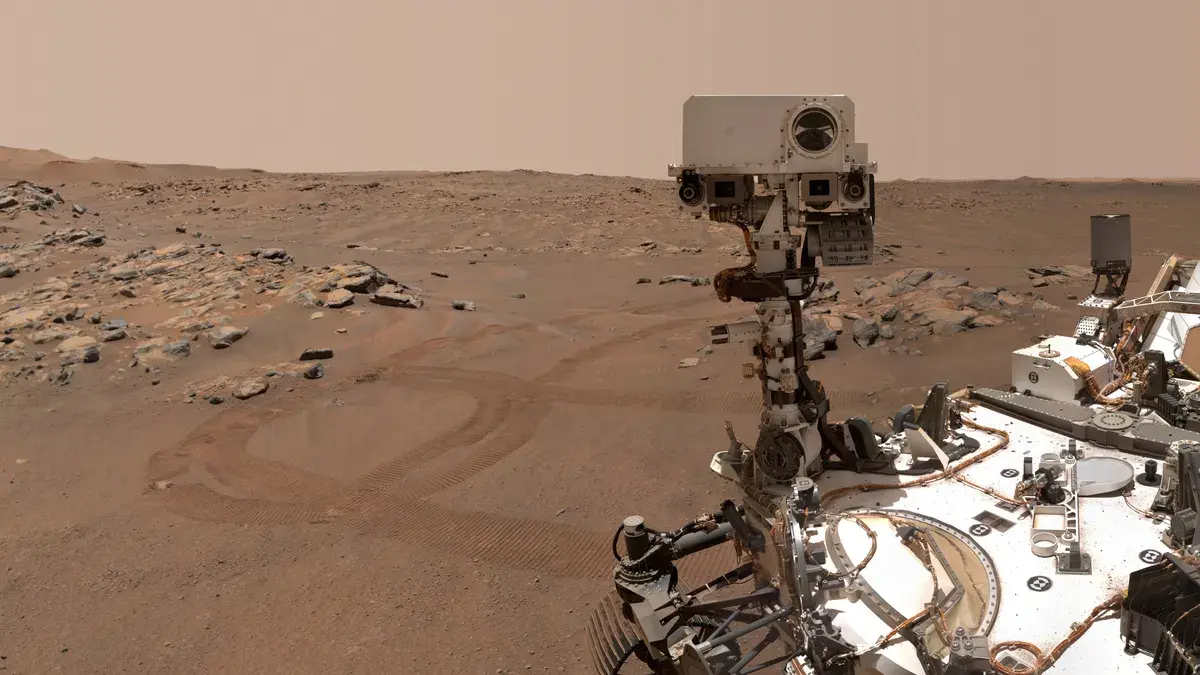
On February 18, 2026, NASA’s Perseverance rover will mark five years on Mars.
Perseverance is a masterpiece of engineering. For five years, the rover has been exploring Jezero Crater and its surroundings on Mars, searching for signs of ancient microbial life. It has collected rock samples and tested new technologies, paving the way for future crewed missions to Mars.
The rover’s journey has produced discoveries — and record-setting distances traveled on another planet.
For the past month, Perseverance has been stationary because Mars moved behind the Sun, which disrupted radio communication between the Red Planet and Earth. But as of December 11, 2025, the rover had traveled a total of 42.32 kilometers, surpassing the length of a marathon (42.195 km).

Chasing the Record
Only one rover has covered more ground on another planet: NASA’s Opportunity rover, which traveled 45.16 kilometers during its mission.
Perseverance is on track to break that record, possibly this year — but it depends on where the team decides to drive the rover.
“The science team is deciding how it will spend its time. If the goal were to quickly cover a few kilometers, we could achieve that in a matter of weeks,” said Mark Maimone, a long-time pilot of the Perseverance rover and a mobility engineer at NASA’s Jet Propulsion Laboratory, in an interview with IFLScience.
“Thanks to recent improvements in autonomous navigation software and hardware, Perseverance has been able to move autonomously at nearly its maximum mechanical speed,” Maimone explained.
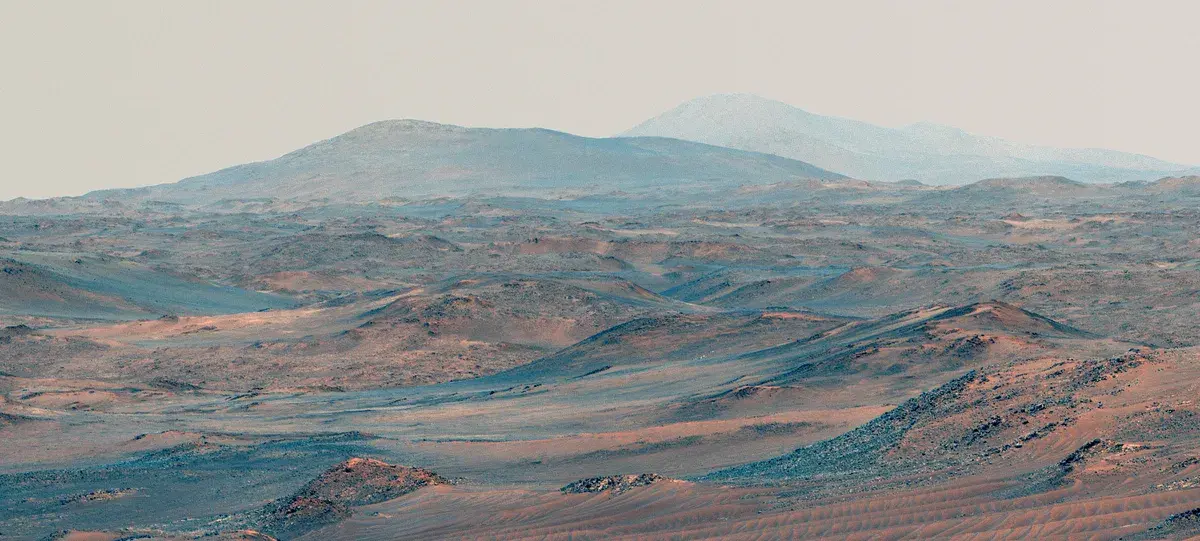
NASA’s Perseverance Rover Captured This View on September 8, 2025
While NASA engineers chart the rover’s course and plan its scientific investigations daily, once Perseverance starts moving it relies on its onboard autonomy to handle unexpected obstacles.
“We have learned a lot from previous missions, including how to operate the rover even after engine failures,” Maimone says. He is confident that even if Perseverance encounters issues, the team will overcome them and the rover will keep exploring.
Anyone interested can track Perseverance’s route on NASA’s interactive map.
Photo: NASA