
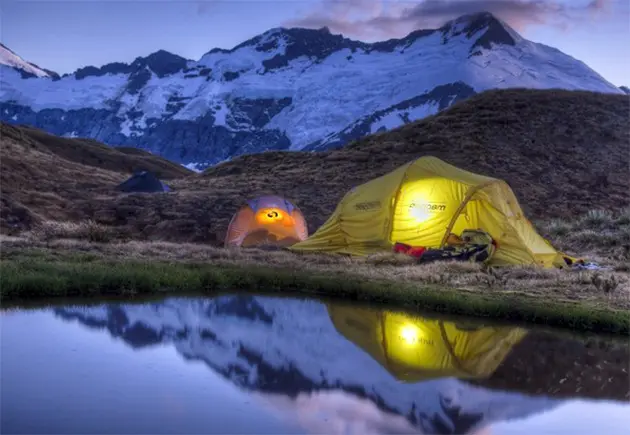
People’s favorite short-term relaxation spots include forest parks, hydro-parks, meadow parks, and woodlands.
Forest parks are wooded areas developed for casual, short-term recreation. In these parks, visitors can take guided tours, enjoy leisurely walks, fish, ski, sled, and forage for berries and mushrooms.
To support active recreation, forest parks are equipped with sports fields, water stations, and tourist bases. They may also feature day-use guesthouses, dining facilities, and picnic areas.
Within forest parks, designated zones exist for active recreation—walks, picnics, and sports—and quiet zones for relaxation. These areas offer a good escape in any weather. On hot days, people use shaded, well-ventilated spots; in cooler weather, sheltered clearings are preferred.
The most favorable landscapes for relaxation are enclosed spaces with deciduous, pine, and mixed forests that have horizontally spreading canopies. These areas typically have moderate wind speeds, ample sunlight, and limited soil heating.
Hydro-parks are built around numerous bodies of water and are ideal for summer recreation. Around these water bodies, zones for water sports and leisurely strolls are organized. Key features of hydro-parks include beaches, sunbathing areas, and sports facilities.
Meadow parks attract visitors with water features and wide open green spaces. Various recreational activities take place in these parks, including walks, group games, swimming, sunbathing, and foraging for flowers and medicinal plants. In winter, meadows are used for skiing, and the water bodies are popular for ice fishing.
The landscape of a meadow park supports many types of walks. Visitors can stroll on foot, ride a bike, or take boat trips on the water.
To preserve unique natural complexes and use them for public health, state natural parks are being established. Unlike suburban recreational areas designed for short-term leisure, natural parks are intended for educational and sports tourism and longer-term recreation. They are usually located far from major cities.
These parks follow specific natural resource management practices. Within their boundaries, areas are designated for strict protection, regulated access, open access, and service centers.
In the protected zone, all forms of natural resource use are prohibited. In the regulated access zone, allow only pedestrian tourism and non-motorized transport on designated routes; foraging for mushrooms, berries, and medicinal herbs is not permitted. The open access zone permits pedestrian, water, and bicycle tourism along designated paths, with stops allowed only in designated shelters designed for a limited number of visitors.
The development of motor transport has made suburban forests widely accessible, and that visitation is often unorganized. In areas of collective recreation, forests frequently suffer irreparable damage. Vegetation is a crucial natural factor that benefits human health, and studies have shown that even brief periods among greenery significantly improve well-being.
Renowned Russian therapists G. A. Zakhar’in and S. P. Botkin acknowledged the positive effects of vegetation on the human psyche, emotions, and mood. Under the forest canopy, physical and mental fatigue dissipates, and anxiety gives way to calm.
Forest air is purified of harmful gases and dust. One hectare of green space on a summer day can absorb up to 300 kg of carbon dioxide and release 200–250 kg of oxygen. The forest air contains 300 times fewer pathogenic bacteria than urban air.
Resting in the forest improves thermoregulation, raises the tone of the central nervous system, and enhances excitation processes in the cerebral cortex, leading to deeper breathing and increased lung ventilation. Positive shifts in cardiovascular activity are also observed. Scientists attribute the beneficial effects of forest air to volatile plant emissions, known as phytoncides.
By reducing air temperature and wind speed while increasing humidity, vegetation moderates the local climate. The primary role of forests in altering the physical properties and chemical composition of atmospheric air has been established.
Therefore, the rational use of suburban forests, their preservation as self-regulating biological systems, and their role as primary recreational resources are key elements of state environmental protection initiatives.
The greatest damage to forests comes from excessive trampling of the soil, which can kill or weaken entire stands or groups of trees and make them vulnerable to harmful insects and fungal diseases.
Researchers at the Novosibirsk Botanical Garden report that when the surface layer of soil is compacted beyond a certain threshold, forest degradation begins. Early-blooming broad-leaved plants disappear and are replaced by weeds, and forest growth declines. Trees become stunted, sick, and die. Such conditions typically arise when the density of visitors exceeds 10 people per hectare.
Destruction of the humus layer, compaction of the upper soil horizons, widespread proliferation of grass species, air pollution, and drastic changes in hydrological regimes all worsen conditions for forest growth.
Regulate recreational pressure on suburban forests by creating optimal conditions for the regeneration of green spaces, mushroom and berry resources, medicinal raw materials, and other resources essential for full recreation. The average norm for suburban forest areas that ensures these conditions is 6 hectares per visitor.
Observations show that a group of tourists camping in a single tent can destroy and pollute more than a hectare of forest land in less than a day.
To preserve the forest landscape, stay in organized areas—designated recreation spots. These areas should have good access roads and facilities such as restrooms, trash bins, tables, benches, shelters, and designated fire pits.
For overnight camping, use tent camps with a well-developed network of paths. Provide drinking water, restrooms, cooking areas, and vehicle maintenance facilities. A properly managed camp can accommodate 170 visitors and 50 vehicles per day without harming the natural environment.
If you choose a camping spot outside designated areas, take all necessary measures to minimize harm to the forest. Set up tents to avoid damaging trees, shrubs, grass, and moss. Prepare stakes and poles in advance. Use fallen dry branches from trees or shrubs (such as willow or white alder) for bedding.
Pay special attention to fire prevention. A carelessly discarded cigarette butt or an unattended campfire can destroy many hectares of forest. Light fires only in designated areas. If no designated area exists, choose a spot far from trees and stumps. Never light fires on peat soils, as this can lead to large, hard-to-extinguish wildfires. Before lighting a fire, dig up the turf in a one-meter-diameter area and place it aside with the grass side down. When leaving a campsite, douse the fire with water and cover the cooled ashes with the previously removed turf. Washing vehicles near water bodies is prohibited. Parking in unauthorized areas, cutting down trees, and polluting or littering recreation spots are punishable by law.
Tourists camping by small lakes often pollute them by washing with soap and cleaning greasy dishes. These harmful effects are not immediately apparent, but over time fish stocks in those water bodies decline. Polluting water bodies with detergents is particularly damaging.
When organizing hiking trips, design routes so participants stick to paths and roads and avoid young plantings.
The use of natural resources in our country is steadily expanding. Recreational activities are taking on various forms and organizational types and are becoming a significant social issue of national importance. The exploration of recreational resources in suburban areas for both short-term and long-term leisure continues. With the growth of cities, increased material well-being, more free time, and improved public and private transport and road networks, recreational use of forests is on the rise. Treat valuable natural resources with care. Protecting nature is a patriotic duty of every citizen.