
In the Altai region, the Pazyryk burial mounds contain the well-preserved bodies of Scythian chieftains and their wives, buried about 2,500 years ago. The graves also contained fully equipped sacrificial war horses. It’s as if the fabrics, carpets, and personal belongings of our distant ancestors—the Scythians—were laid to rest just yesterday.
Another remarkable example involves the body of Menshikov, a close associate of Peter the Great, which lay in a cemetery in the Siberian city of Berezovo for nearly a century and was found in near-perfect condition.
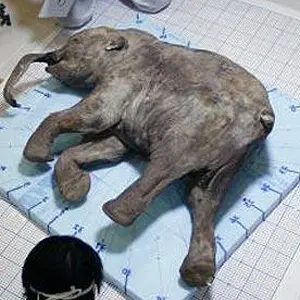
Remains of mammoths that lived tens of thousands of years ago have also been uncovered. In one case, a piece of undigested grass was found lodged between a mammoth’s teeth, letting scientists see firsthand what these extinct giants ate.
The skin of one mammoth was removed and turned into a taxidermy specimen. The meat was also used—it was fed to dogs because it was remarkably well preserved.
Local residents who found mammoth carcasses used the hides to make shoes and the fat to grease their boats.
Mammoths remained preserved only because of a natural “refrigerator”—permafrost. The cold proved to be a reliable guardian.