
 These discoveries have added to a registry of 10,000 images that were carved or painted on the walls of Pompeii.
The 79 previously unknown graffiti were uncovered by from Sorbonne University (France) and the University of Quebec (Canada).
Life for the ancient Romans may seem vastly different from our own today. However, the recently discovered graffiti reveal that some things remain unchanged even after thousands of years.
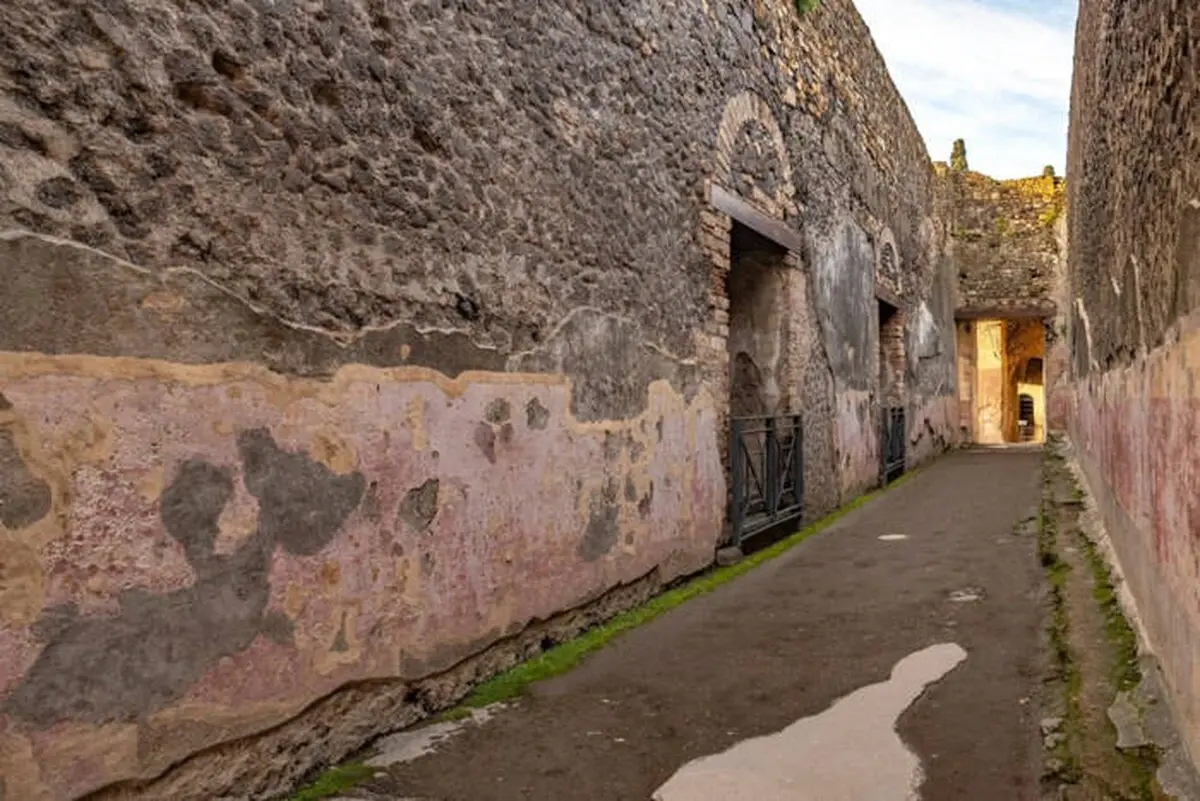
The ancient inscriptions and artistic images were found in the so-called Theater Corridor of – a narrow space connecting two city theaters. This 27-meter-long passage, three meters wide, provided theater-goers protection from inclement weather in winter and the scorching sun in summer.
The first graffiti in this corridor were discovered by researchers back in 1794. However, many of the drawings were not visible to the naked eye. The recent findings were made possible through the use of cutting-edge Reflectance Transformation Imaging (RTI) technology. This computational photography method allows for detailed examination of surfaces by capturing images under various lighting angles. A digital model is then created to visualize the tiniest irregularities.
Ultimately, scientists have documented over 300 pieces of graffiti in the Theater Corridor, including the newly discovered ones.
What do we know about the findings?
After studying the , the team suggested that the corridor’s functions extended beyond merely shielding theater-goers from bad weather. The ancient residents of the city may have also used the passage as a public restroom, as some messages echo those that currently adorn pub toilets.
There are also romantic inscriptions here. One fragment translates to “Erato loves…”. Unfortunately, the plaster is damaged beyond that point, making it impossible to determine who captured Erato’s affections.
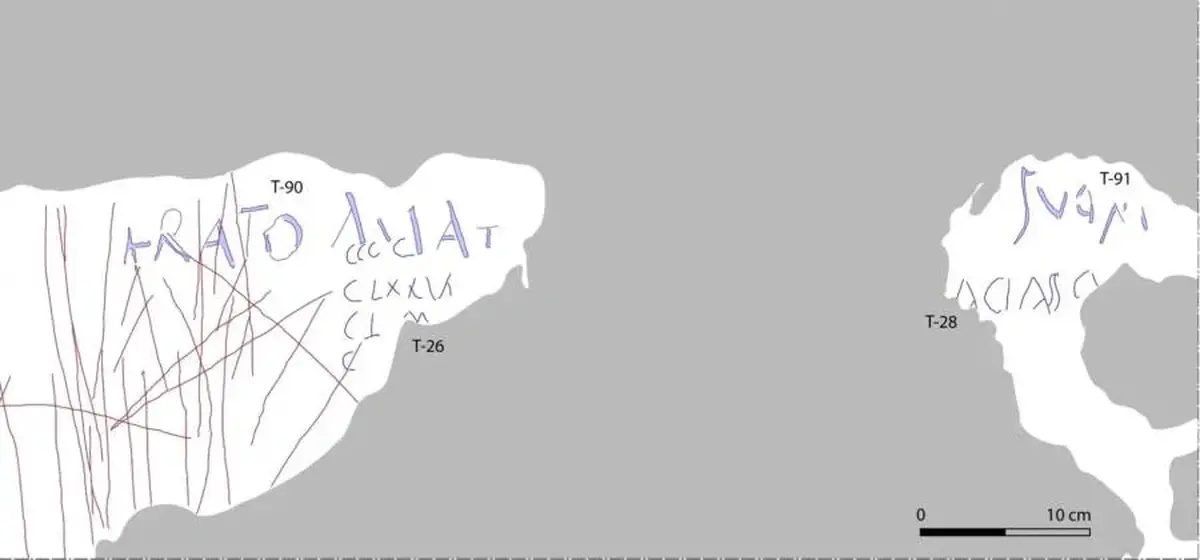
Meanwhile, another message tells the story of a prostitute named Tiche, who was brought “to this place” for sex for money, as reported by Daily Mail.
In another, more poetic excerpt, it speaks of a slave named Mete who “loves Christ with all her heart.” “May the Venus of Pompeii be kind to them both, and may they live forever in harmony,” is written on the wall.
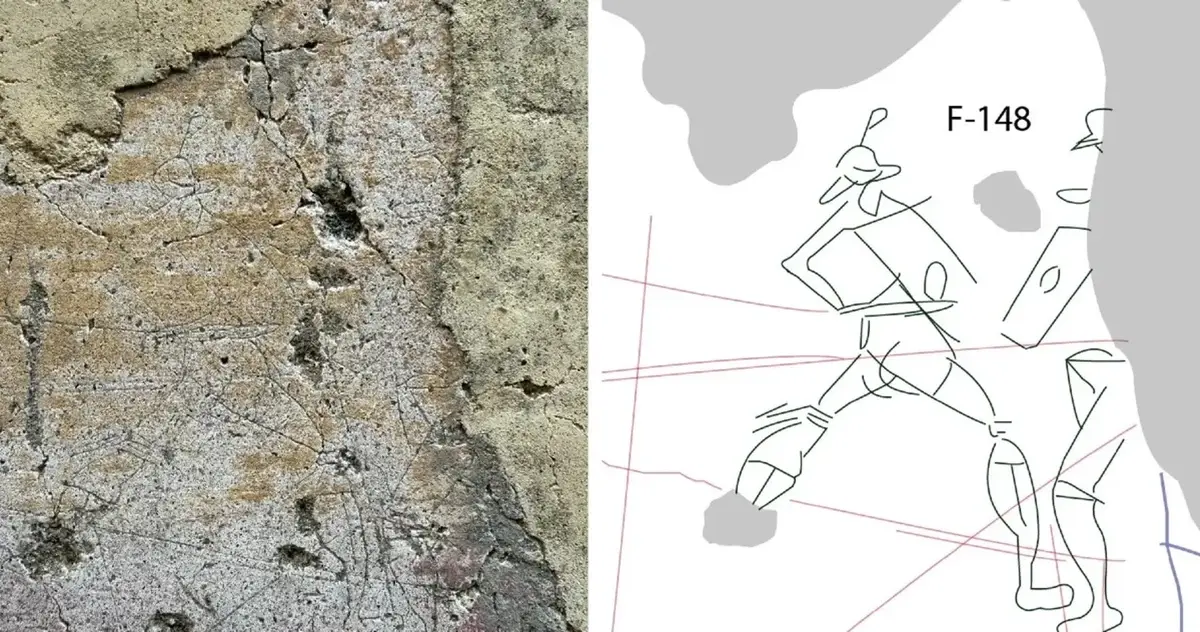
In the theater corridor, one can also find detailed drawings. For instance, there is a scene featuring two gladiators fighting each other. This graffiti depicts the weapons, armor, and shields of the fighters with astonishing accuracy. Their poses suggest that the mysterious artist likely witnessed a gladiatorial match and painted it from memory.
Gabriel Zuchtriegel, director of the Archaeological Park of Pompeii, noted: “Technology is the key that sheds new light on the ancient world. We, in turn, must inform the public about these new discoveries.” This is crucial given that numerous drawings on the walls of the city, which was destroyed by the eruption of in 79 AD, provide a unique insight into the daily life of Pompeii.