
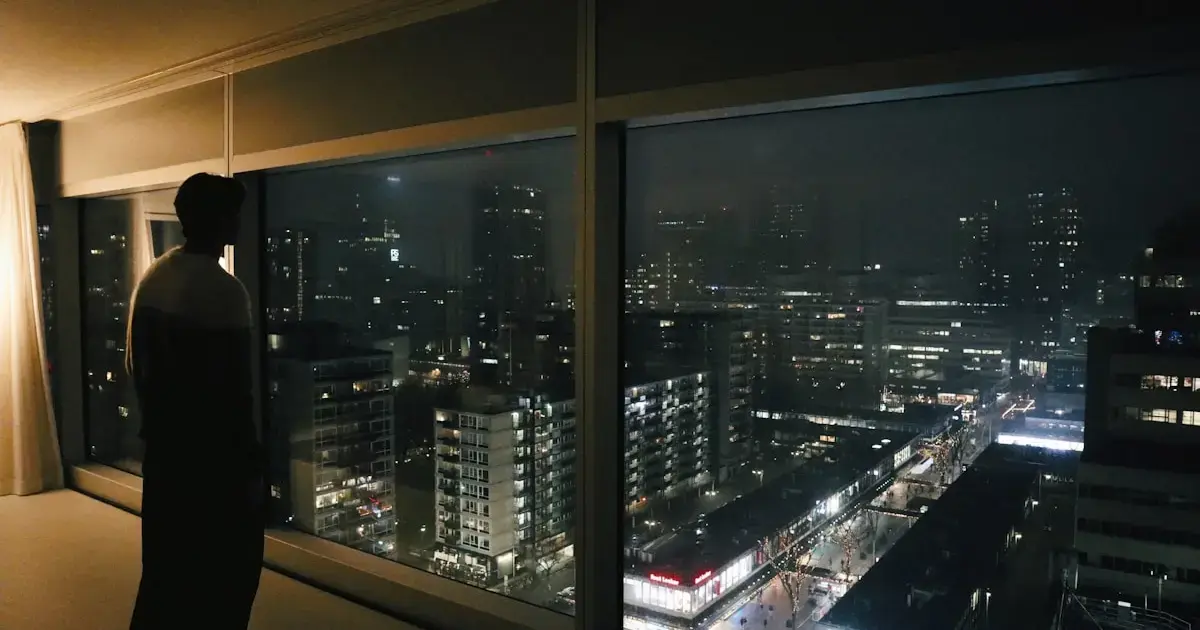
 A new study argues that the rise in chronic stress comes from a mismatch between modern life and our evolutionary biology. In simpler terms, we are designed to live in nature, not in cities.
Two evolutionary anthropologists — Colin Shaw of the University of Zurich (Switzerland) and Daniel Longman of Loughborough University (United Kingdom) — reached that conclusion.
The researchers gathered a wealth of evidence indicating that our biological evolution is lagging behind rapid technological and environmental change.
Living in a State of Constant Readiness
Our daily lives are filled with triggers that stress and irritate us, from construction noise to tight deadlines. Together, these factors keep us in a state of constant readiness, something that hasn’t been the case for most of human history.
“In our primitive state, we were well adapted to deal with acute stress, dodging or confronting predators. Every now and then, a lion would appear, and we were ready to defend ourselves or flee,” Shaw noted. He explained that such efforts ensured survival but came at a high cost, requiring long recovery periods.
Today’s struggle for survival inflicts even greater damage on people, leading to declines in physical health, increases in autoimmune disease, and decreased fertility, among other issues. These problems are primarily linked to stress caused by modern life in bustling urban environments, according to Science Alert.
The study provides evidence of low physical fitness among urban dwellers, a connection between air pollution and brain damage, and a correlation between weakened immune systems and industrial environments.
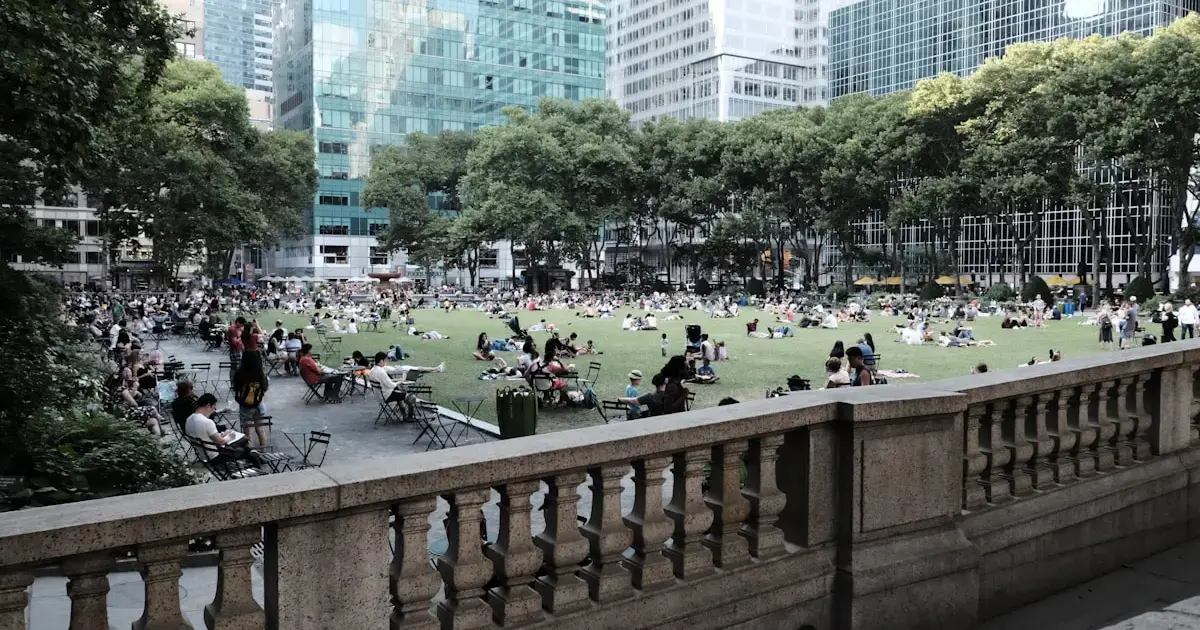
Numerous factors — from artificial lighting to microplastic exposure — combined with sedentary lifestyles, are harming our health in various ways, the scientists emphasized in their report.
“Whether it’s a difficult conversation with a partner or boss, or the noise of traffic, your stress response system reacts almost as if lions are attacking you one after another. As a result, the nervous system responds extremely vigorously but never truly recovers,” Shaw remarked.
“We have made numerous revolutionary advancements in healthcare, technology, and our understanding of the world, yet as a species, we are more anxious and prone to depression than our ancestors,” the anthropologists wrote.
How Can We Combat This?
The pair pointed to studies showing that time spent in nature, or even just looking at pictures of landscapes, can improve physical and mental health.
Considering our evolution, being in nature still matters to people. That gives us some clues for addressing the issues raised in this study. Shaw and Longman believe that additional measures are needed to preserve nature in urban environments, protect natural landscapes, and create places where people can truly relax.
Organize cities better and spend more time in nature, which should be restored and valued, the researchers wrote.
The findings of the study were published in the journal Biological Reviews.
Photo: Unsplash