
A discovery by a team led by prominent Slovenian archaeologist Ivan Šprajc found evidence that the Maya had an organized market system.
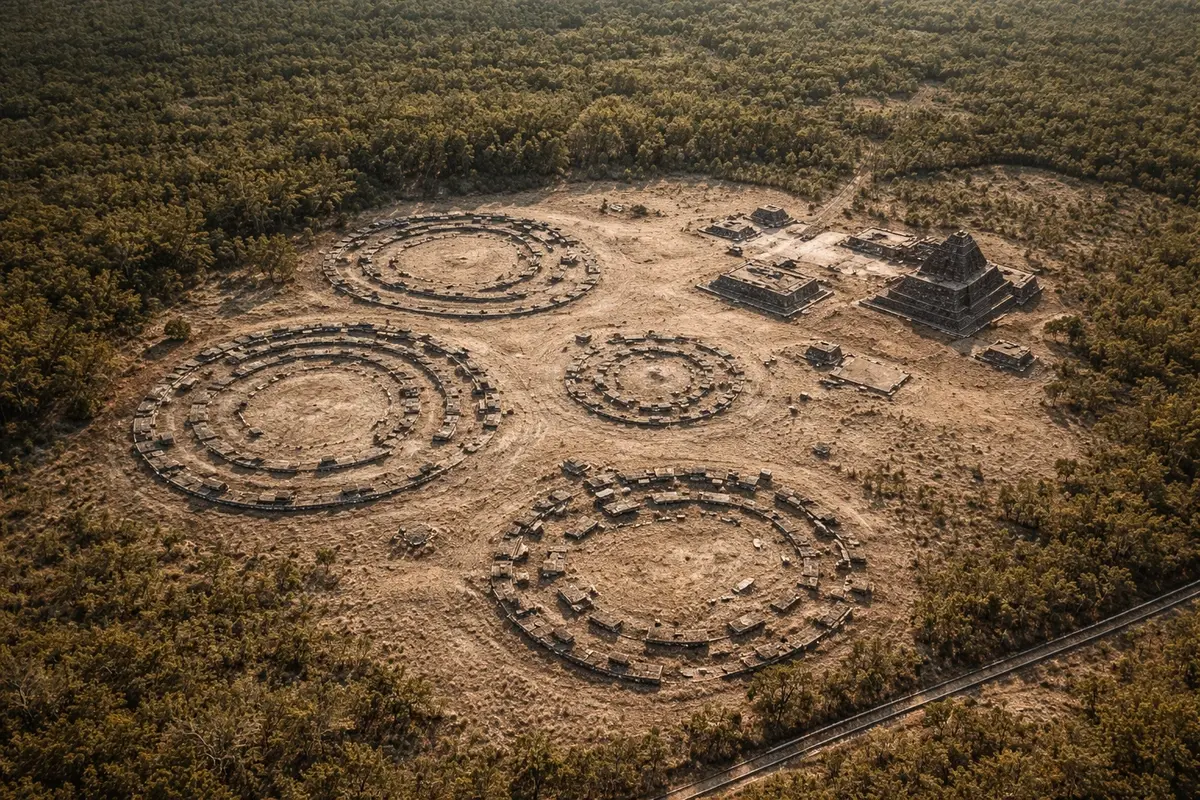
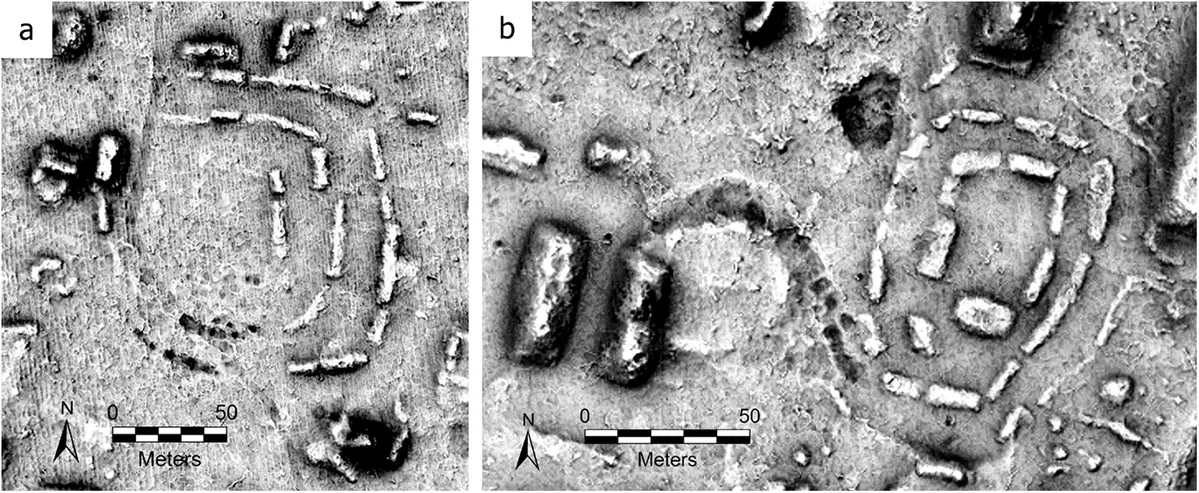
Scientists used laser scanning — LiDAR — to locate dozens of oddly circular architectural features in the central and western parts of the Maya lowlands. They were found specifically in what is now the Mexican state of Campeche.
These structures, which once formed striking concentric patterns, have shifted how researchers think about ancient Maya trade. Šprajc’s team mapped the layout of the marketplaces and identified several defining characteristics.
An ancient trade hub hiding in plain sight
At first, the complexes looked to researchers like simple low, elongated mounds arranged in circles or rectangles. But on closer inspection, researchers found nested concentric constructions — multi-layered spaces with internal walkways. Those features resemble marketplaces described by early colonial observers of Mesoamerica.
Archaeologists think the low platforms once supported stalls for perishable goods. Pedestrian pathways likely ran between the platforms, the Cambridge University Press portal reported.
Unlike monumental temples or palaces, these structures were extremely hard to spot in the jungle. Only LiDAR could identify Maya marketplaces under the dense vegetation. As a result, scientists documented about 50 of these sites — although there may be many more.
Echoes of Tikal and Calakmul
The discovery reminded researchers of well-known Mexican archaeological sites like Tikal and Calakmul: pre-Columbian Maya cities where market trading also thrived.
Frescoes at Calakmul depicted people trading food, textiles, and pottery. Inscriptions linked those people to the goods they sold. The architectural layout of Tikal’s East Plaza — with its long, narrow buildings and numerous entrances — also pointed to organized commercial activity.
Where trade, rituals, and daily life overlapped
However, these structures weren’t purely commercial. Many contained altars and shrines, with ceremonial buildings nearby. Trade was therefore tightly linked to ritual practices, and people treated the markets not just as places to exchange goods but as centers for social and ceremonial gatherings.
Archaeologists also found ballgame courts near some of the complexes.
Markets in strategic locations
The geographic locations of these concentric market circles were hardly random. They were typically built along key trade routes, near water sources, or inside large towns.
In some regions, especially in central Campeche, the density of these complexes was striking. Researchers suggest this may reflect regional differences, since certain areas were heavily dependent on imported goods because of local environmental conditions.
Markets played a central role in the redistribution of resources such as food, salt, and stone tools. The presence of raised causeways connecting these sites supports the idea of a large, well-developed Maya trade network.
Šprajc believes the nested concentric constructions may have been a regional architectural solution for organizing trade. They may have varied across different parts of the Maya world but reflected a common economic logic.
The discovery of the market complexes challenges established views of Maya society. The civilization was not only rich in ritual and monumental architecture but also deeply engaged in organized commercial exchange.