
 , weight normalization and a host of other benefits for physical and mental health are driving people to engage in sports. Now we can also add brain rejuvenation to that list.
This conclusion comes from a team of researchers at the AdventHealth Research Institute in the U.S. They conducted a 12-month clinical study with 130 healthy adult volunteers aged 26 to 58. The researchers found that participants who followed a comprehensive weekly exercise program had brains that were biologically younger than those who did not.

What Did the Researchers Report?
A younger brain means that a person retains their cognitive abilities longer and is more resilient to diseases like dementia.
“We found that a simple, guideline-based exercise program can significantly rejuvenate the brain in just 12 months,” said Lou Wang, a data analysis specialist in neuroscience and co-author of the study.
The team divided the volunteers into two groups: an active group and a control group that did not exercise. Participants in the active group were asked to meet the weekly physical activity guidelines recommended by the World Health Organization. That involves about 150 minutes of moderate to vigorous exercise per week, including activities that significantly elevate heart rate and breathing.
At the end of the experiment, brain scans showed that participants who adhered to the exercise regimen had brains that appeared, on average, 0.6 years younger than their chronological age. Meanwhile, those who did not exercise had brains that looked 0.35 years older, as reported by ScienceAlert.
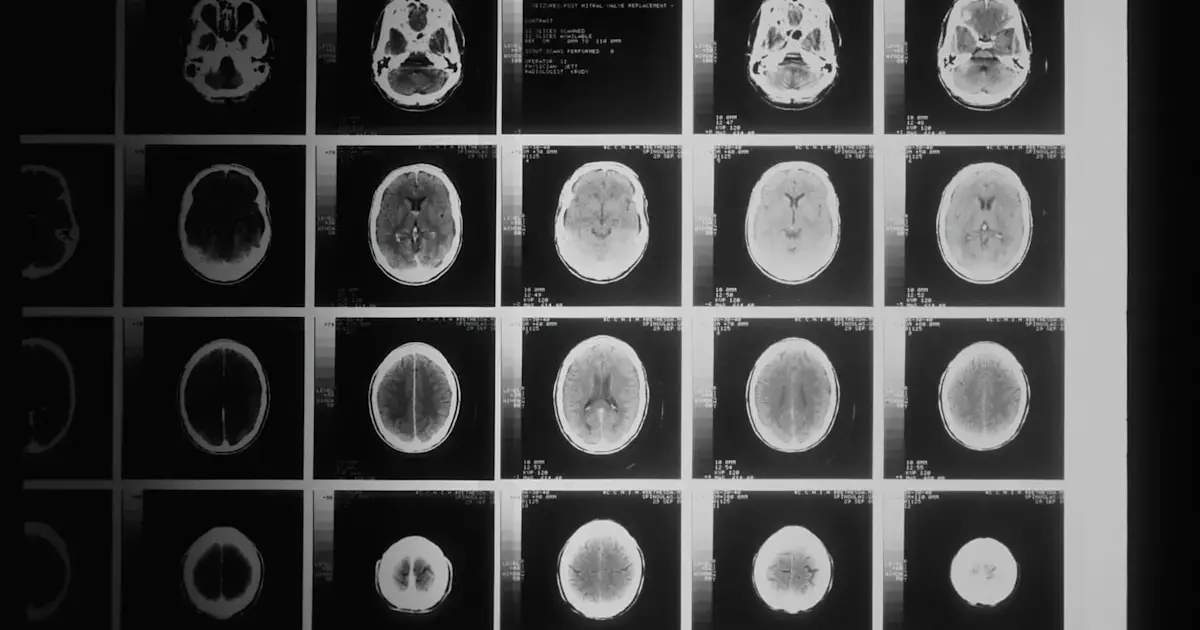
According to the researchers, while this difference does not reach statistical significance, it suggests the gap between the two groups was about a year. Wang noted that a one-year difference could matter over the coming decades.
The Mechanism Behind Exercise and Brain Aging Remains Unclear
The authors of the study could not precisely explain the connection between exercise and brain aging. “This was unexpected,” Wang said. “We anticipated that improvements in fitness or reductions in blood pressure would explain this effect, but that was not the case.”
Wang suggested that exercise likely affects the body through additional mechanisms that the team has yet to uncover. These may include subtle changes in brain structure, inflammation, vascular health, or other molecular factors.
These mechanisms can be explored in future studies that involve larger and more diverse groups of participants, including people at risk for cognitive impairments.
Overall, the research confirmed that brain problems in later life can be linked to many factors that affect the brain over a lifetime. Additionally, exercising in middle age helps prevent these problems and promotes a more youthful brain.
This is crucial considering that a younger brain is more likely to resist aging and disease and is associated with a longer life.
Neurobiologist Kirk Erickson, co-author of the study, emphasized, “People often wonder if there’s anything they can do now to protect their brains for the future. Our results confirmed that following current exercise recommendations—150 minutes of moderate or vigorous aerobic activity per week—helps keep the brain young.”
The study’s findings were published in the Journal of Sport and Health Science.
Photo: Unsplash