
 A new study reveals that the calming backdrop of so-called pink noise, designed to drown out external sounds and lull us to sleep, may not be as harmless as we thought.
Researchers from the University of Pennsylvania (USA), along with colleagues from Europe and Canada, found that pink noise—a sound palette marketed as a sleep aid—could actually disrupt crucial .
What’s the issue?
Pink noise resembles the sounds of rain, waterfalls, or rustling leaves. It is often used for . This type of noise is a form of broadband sound—continuous sounds that spread across a wide range of frequencies. Pink noise, often streamed from mobile apps, has become a popular tool for masking surrounding noises or tinnitus.
However, scientists are questioning the claims that pink noise promotes deep sleep. In fact, they suggest it could be harmful.
How was the study conducted?
The researchers enlisted 25 adult volunteers aged 21 to 41 who reported no sleep disturbances and did not use pink noise as a sleep aid. Participants spent seven consecutive nights in a sleep lab, attempting to get a full eight hours of rest under various sound conditions.
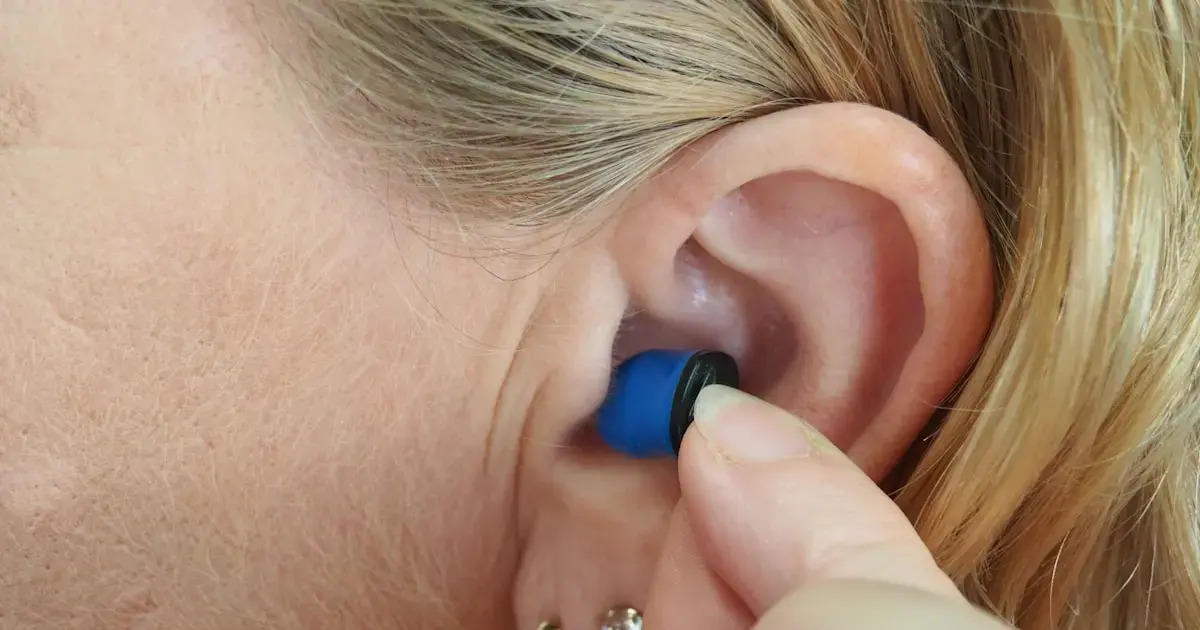
On the first night, volunteers were exposed to a mix of ambient sounds, including airplanes, traffic, and a crying baby. The following night, they listened to only pink noise as they fell asleep. One night was completely quiet, serving as a control. Then, participants had to fall asleep with a combination of environmental sounds and pink noise. Another scenario involved using earplugs to block out external sounds, as reported by Science Alert.
Participants filled out questionnaires assessing their sleep quality and underwent cognitive and cardiovascular tests before and after each night.
What did the researchers find?
Volunteers exposed to strong environmental noise spent an average of 23 minutes less in deep sleep (N3).
Pink noise at 50 decibels was associated with a reduction in rapid eye movement (REM) sleep by nearly 19 minutes.
When environmental sounds were combined with pink noise, the duration of both REM and deep sleep phases was significantly shorter compared to the quiet control night.
When participants tried to rest amid both types of noise, they spent more time awake, a phenomenon not observed when exposed to just one type.
Surprisingly, when volunteers used earplugs while exposed to environmental sounds, they achieved the best sleep, with no interruptions in their sleep phases.
The team suggested that earplugs might be a safer alternative to broadband sound.
Why is this research important?
Although this laboratory study is small, its findings challenge the presumed benefits of using pink noise for sleep improvement. This is particularly significant given what we know about the importance of REM and deep sleep phases for brain health, noted sleep scientist Matthias Basner, the lead author of the study.
“The REM phase is crucial for memory consolidation, emotional regulation, and brain development. Our results indicate that playing pink noise could be harmful, especially for children, whose brains are still developing and who spend significantly more time in REM sleep than adults,” he added.
The study’s findings were published in the journal Sleep.
Photo: Unsplash