
 Holidays aren’t always filled with joy and excitement; they can also bring disappointment and frustration. A cheerful mood can be spoiled by misunderstandings surrounding an inappropriate gift. What reactions lead to internal conflict when gratitude takes precedence over honesty? How should we handle unwanted gifts, and how can we avoid awkwardness when it comes to gift-giving?
Should You Tell the Giver the Truth?
When we receive something we don’t need (which can range from a useless item to an expensive but unwanted or inappropriate gift), feelings of offense, regret, and guilt can arise for not liking the present. This may stem from differing tastes or more pressing needs. To avoid upsetting the giver, who may have spent time and money, we often hide our true feelings about their gift while simultaneously chastising ourselves for being insincere.
In this conflicting state, “straightforward” people, who do not feign pleasure, immediately express their disappointment about the gift. However, this approach does not spare them from discomfort and resentment over the gift. So, what matters more—honesty or politeness when receiving a gift? Ultimately, what should you do if you don’t like the gift? Experts recommend expressing gratitude regardless.
Gifts and Interpersonal Relationships
In such cases, expressing gratitude is seen not as insincerity but as politeness, as the value of relationships should take precedence. You can thank the giver for their thoughtfulness, care, and desire to please. This approach helps maintain a friendly holiday atmosphere, prevents conflicts over gifts, and preserves relationships. Psychologists’ advice on how to tactfully respond to an unsuccessful gift is based on the idea that honesty is not always appropriate.
While an honest conversation with a close person can be beneficial (but not at the moment of giving and not in a categorical manner—rather, you can later gently explain your preferences without focusing on the gift’s shortcomings), with colleagues, acquaintances, or distant relatives, honesty may only lead to tension, so it’s better to refrain from expressing negative emotions.
If an honest conversation with a close person can be beneficial, it’s essential to know the to explain your preferences without offending the giver.
How to Thank for a Gift You Didn’t Like
The appropriate reaction upon receiving an awkward gift should be gratitude, even if the gift is disappointing. To avoid the harmful insincerity that is usually easy to detect, psychologists advise accepting the gift with positive emotions. If the giver has a sense of humor, you can lighten the mood with a witty joke—but make sure it’s friendly and not sarcastic.
To avoid offending the giver, you shouldn’t ignore the gift entirely. At the same time, you shouldn’t inquire about its value, devalue it, or judge its worth solely based on its price tag. Remember that people give gifts not just as items but as tokens of their attention. As the saying goes, “Don’t look a gift horse in the mouth”—even folk wisdom teaches us not to nitpick gifts but to show tact.
Gifts in Family Relationships
Research shows that men and women react differently to bad gifts. In an experiment, couples were asked to choose gifts for their partners from several options ranked by preference. Half of the participants ended up receiving gifts they didn’t want. The men in that group perceived the unsuccessful gifts as a threat to their relationships, unlike the women, who did not make such a connection. Interestingly, also relies on immediate emotional connection and mutual understanding.
The gender difference in perceiving bad gifts may be explained by women’s greater motivation to employ psychological mechanisms to avoid disappointment from a gift in order to maintain a pleasant holiday atmosphere and prevent family conflicts over gifts, as women often take on the responsibility of organizing celebrations and put more effort into preparing gifts.
But remember, true closeness in relationships is not only about perfect gifts but also about that make partners happy.

The Psychology of Gifts
A gift can demonstrate reciprocity, care, gratitude, and status, and the recipient’s proper reaction is key to harmonious relationships. The psychology of gifts views giving as a way to express feelings, strengthen bonds, and facilitate social interaction, where important emotions, interests, and understanding of needs matter more than just the item’s cost. However, a valuable gift also highlights the giver’s worth, while a non-material gift provides an unforgettable experience.
Aspects of Gift Psychology:
- Connection (giving strengthens friendships and family ties, fostering relationships and community through expressions of attention and care);
- Attention (the choice of a gift reflects awareness of the recipient’s desires and even unspoken needs);
- Emotional value (experiences, interactions, and impressions can be more valuable than expensive material items, as they bring happiness into life);
- Self-esteem (mistakes in gift-giving can damage relationships by underestimating the recipient).
Gifts and interpersonal relationships are interconnected. How we perceive gifts and what we do with them after receiving them affects not only our relationships with friends and colleagues but also our personal well-being, career growth, and future standing in society.
Gift-Giving Etiquette
There are only three types of gifts that can be repeated indefinitely: flowers, chocolate boxes, and alcoholic beverages (if the person consumes them, as today’s meeting culture is changing with more people choosing a healthy lifestyle). To avoid awkward situations, it’s wise to keep track of what, when, and to whom you have given gifts in the past. There are also other nuances to remember—these are unwritten rules of gift-giving.
Common Mistakes in Gift-Giving:
- An overly expensive surprise puts the recipient in an awkward position, making the giver appear boastful and tactless;
- You shouldn’t give an envelope with money to a boss (this can be interpreted as bribery);
- It’s considered unethical for a woman to give money to a man (the more acceptable tradition is the opposite);
- It’s customary to give only new items, not used or previously gifted ones (getting rid of unwanted items in this way is the height of disrespect to the recipient);
- Be cautious with hidden meanings in gifts, avoiding offensive connotations, inappropriate hints, and ambiguity (for example, you wouldn’t give antlers to a married man or a gym membership to an overweight female colleague);
- It’s considered bad form to give alcoholic beverages to elderly parents or women (girls);
- Business partners should not receive souvenirs with the logo of your company.
To avoid discomfort when giving gifts, you shouldn’t surprise someone with expensive items that haven’t been agreed upon with the recipient, nor should you give animals (especially exotic ones)—such gifts should be preceded by prior consent and readiness to accept them.

Rules for Gift-Giving
The main recipe for choosing the right gift is to select it sincerely, considering the recipient’s tastes.
Preparing a Gift:
- Find out about the person by asking acquaintances or friends about their interests to ensure the gift is appropriate;
- Avoid considering medications as gifts (though healing elixirs, balms, etc., may be acceptable), hygiene products, and personal care items (it’s unethical to give a woman wrinkle cream or lotion for problematic skin) and never present intimate items to non-close individuals, as this can be seen as overstepping personal boundaries or making a special hint;
- Consider cultural nuances, taking into account ethnic and religious customs that may influence the choice of gift or the manner of its presentation.
A gift from a Japanese person should be accepted with both hands, while from an Arab, only with the right hand. Citizens of China, Singapore, or Hong Kong should initially refuse a gift several times before accepting and thanking the giver. When receiving a gift from a Japanese or Chinese person, you shouldn’t open the wrapping immediately—it’s customary in these cultures to do so only after the celebration.
When there are multiple givers, it’s essential to express gratitude to each one. The recipient shouldn’t display overly enthusiastic emotions—this may suggest insincerity. When receiving gifts, one should behave calmly, modestly, and respectfully. You shouldn’t compare gifts: each giver should feel confident that their gift pleased the recipient.
Important Formalities
Before wrapping a gift, you should remove the price tag. Keep the receipt and warranty when giving technical items—this will spare the recipient problems if service is needed. Gifts should be elegantly wrapped and presented personally, not hastily, with a ceremonial speech and a warm smile, handing over the gift with the left hand so that the right hand is free to embrace the recipient or shake hands.
Gift-giving etiquette suggests presenting gifts on the holiday itself (but not during the meal), rather than after the event. When greeting, if appropriate, flowers are given first (which should be placed in a vase), and the main gift is presented later, in public. To avoid awkwardness, it’s customary in our tradition to unwrap gifts immediately to show the giver your reaction to their offering.

Special Cases
If money is given, it’s advised not to suggest how to spend it, but simply to present it with good wishes. At corporate events, where gifts are given to multiple people, senior staff and women should be greeted first. Business partners should be greeted personally and slightly earlier than other givers if you want to be remembered and appreciated. If personal contact isn’t possible, it’s acceptable to send a signed gift via courier.
It’s essential to include the giver’s name and surname on the attached card, and in small print, indicate your company and position. If necessary, you can also pass a souvenir through a colleague or mutual acquaintance, including a note apologizing for your absence and explaining the significant reason. For officials, there are restrictions on the value of gifts and a requirement to declare expensive presents from close individuals.
How to Avoid Misunderstandings with Gifts
However, even a poor gift choice shouldn’t upset mature individuals, as this isn’t the main focus of giving. At the same time, the recipient shouldn’t feel obligated to approve the gift or reciprocate in kind, as gifts are not a test of obligation and gratitude. We may not be thrilled with a present and can also make mistakes in gift-giving. Discrepancies between expectations and reality should be accepted without offense or guilt.
Re-gifting is only acceptable for new items in perfect condition, provided you are confident that such a gift will be appreciated. If the recipient feels that the gift is inappropriately expensive and burdensome, they can decline it, stating the reason for their decision and maintaining their stance even after persistent persuasion.
Strategies for Choosing Gifts
Gift-giving rules suggest that acceptable offerings include personal items that align with the recipient’s interests, experiences (trips, concerts, workshops), or simply dedicating time and attention. The idea of gifting is not merely to “give something” but to make the recipient feel valued, understood, and happy. If you’re anxious about choosing gifts, psychologists offer advice on organizing the process.
There are two strategies for selecting the right gift: focusing on the recipient or on the giver. Researchers have found that the more common strategy is to choose a gift tailored to the recipient. However, the strategy of giving something that reveals the giver’s personality indicates a closer relationship. Items that are symbolic for the giver and have required significant effort and time are especially valued.

Clarifying Wishes
An effective way to avoid misunderstandings with gifts is to ask the person directly about their wishes. For the gift recipient, this approach ensures that they will receive exactly what they need. However, don’t risk listing items you would like to receive, as this may confuse the giver and divert them from choosing the best gift. A single wish will serve as a clear instruction.
Surveys show that most respondents prefer not surprises but “ordered” gifts they have requested or money that allows them to buy what they need. However, money doesn’t convey warm feelings (making it not the best option, for example, for Christmas gifts) and may highlight the disparity in material status between the giver and the recipient.
If you’re struggling to articulate your wishes or want to learn to better understand your true needs, consider using the free with simple self-analysis practices.
Value Is Not in the Price
The high price of a gift does not guarantee that it will hold greater value for the recipient than a less expensive gift with special significance. Research shows that depends not on material things but on the quality of relationships, gratitude, and the ability to notice the positive around us. However, in gift psychology, there’s a tendency that during holidays, people enjoy spending money not on themselves but on others: receiving gifts is not as joyful for many survey participants as giving them.
Specifically, during the New Year season, people feel happier when the celebration focuses not on gifts but on family. A Christmas gift without the “Christmas spirit” can even lead to a spoiled mood. Therefore, it’s better not to fixate on the material aspect and status but to focus on the social aspects of —selflessness, charity, support, kindness, and altruism.

How to Properly Accept Gifts
In addition to advice on how not to offend someone with a gift, etiquette experts outline the rules of good manners when receiving presents. Placing an unopened box somewhere is considered a sign of disrespect to the giver. Gifts should not be hidden but displayed on a small table covered with a nice tablecloth. Unwrapping gifts should be done carefully to avoid leaving unsightly scraps on the table.
Alcoholic beverages, cigarettes, and sweets given to the “guest of honor” should be offered to all guests (only the package of treats from a foreigner is kept for oneself to avoid offending the giver). If a gift is received from your boss’s partners, etiquette rules require notifying management about it. You can thank guests for their gifts with a small souvenir for each.
Appropriate Treats
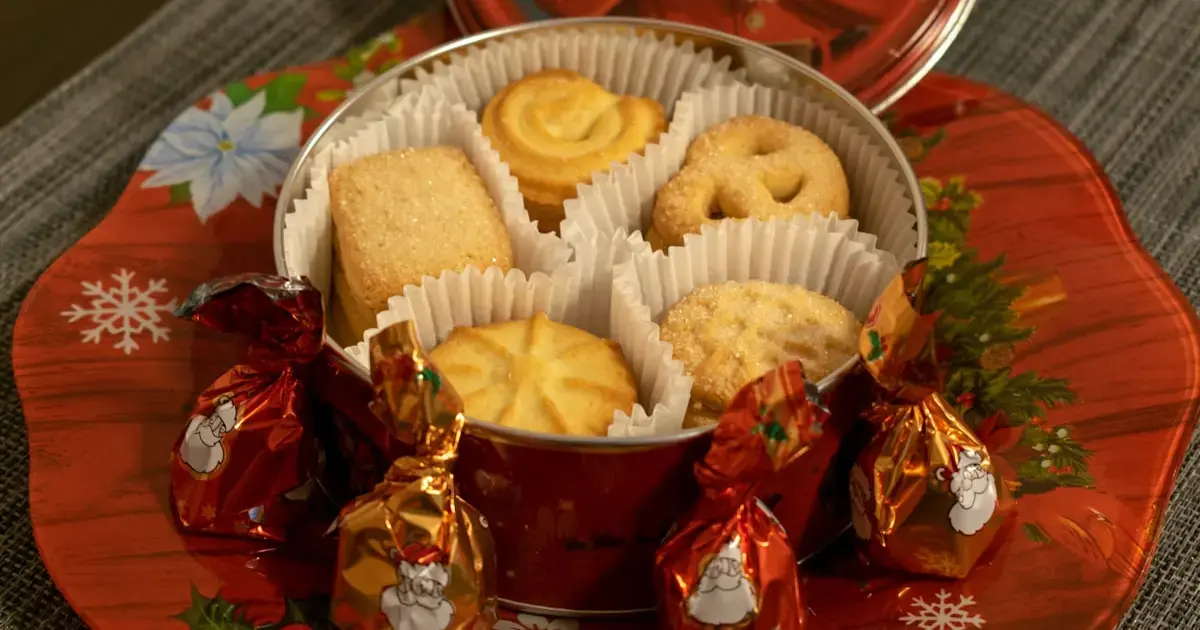
When meeting or bidding farewell to guests at a celebration, you can offer bonbonnières—a small bag or box with a selection of chocolates (usually five treats symbolizing five wishes: health, prosperity, happiness, longevity, and fertility). The treats can be uniform or personalized with name wishes. Etiquette allows offering bonbonnières at any time.
When to Treat Guests in Response to Greetings:
- After presenting a gift;
- During the celebration;
- At the end of the festivities;
- When a guest begins to gather their things to leave.
Bonbonnières can be placed on the festive table to the right of each plate or designated a special corner in the room. Instead of chocolates, the treats can be pastries or other sweets (the boxes can be designed like a cake).
What to Do with Unwanted Gifts
American etiquette expert Elaine Swann advises not to worry about keeping gifts that you didn’t like, as recipients are not obligated to do so. According to this modern behavior consultant, people shouldn’t create discomfort for themselves just to avoid hurting someone’s feelings. The popular expert emphasizes the practicality of etiquette, which aims to create conditions for avoiding discomfort.
What to Do with Unwanted Gifts:
- Sell or exchange them;
- Reconsider the purpose of the gifted item or use it partially;
- Donate it to charity;
- An unwanted item can be re-gifted to someone who will find it useful or truly like it (but this should be done without mentioning the gift’s origin and only if the recipient won’t cross paths with the original giver). Donating unwanted items not only but also does a good deed. Psychologists have found that and more satisfied with life.
The main thing is to ensure that unwanted gifts do not clutter your living space and irritate you every time you see them. The latest recommendations on gift-giving etiquette are based on principles of convenience, respect for oneself and others, and shedding burdens, characterizing modern ethics as more flexible and “people-oriented.”
 How should you react to a gift you didn’t like?
Even if the gift didn’t meet your expectations, it’s best to start with a sincere thank you for the thoughtfulness, care, and desire to please the person. This helps maintain friendly relations and supports a positive atmosphere.
Should you tell the giver the truth about not liking the gift?
In most cases—no. Immediate honesty may upset the giver and create tension. If necessary, a conversation about preferences is better held later, in a way that doesn’t offend.
How to maintain relationships if the gift is completely inappropriate?
Focus on the giver’s intention rather than the item itself. Thank them for their thoughtfulness, and you can highlight positive aspects of the situation or show humor if appropriate.
What to say if the gift is completely unsuitable?
A brief, sincere thank you emphasizing the thought is the best option. Phrases like “Thank you, I appreciate that you thought of me” help avoid conflict.
Can you refuse a gift that is completely unsuitable?
A polite refusal is rarely received positively at the moment of giving. It’s better to accept the gift with thanks and then, if necessary, tactfully explain your preferences.
How to explain your preferences to avoid bad gifts in the future?
Talk about your interests and hobbies in everyday conversations—this will help givers choose more suitable presents.
How to react if the giver expects an emotional response?
Strong emotions may not be present, but a sincere smile and words of thanks are always appropriate. A restrained expression of gratitude can help avoid awkwardness.
What to do with the gift after the holidays?
After receiving it, the decision about its future use or exchange is up to you: you can keep it, exchange it, or re-gift it, but the key is to treat the giver’s intentions with respect.