
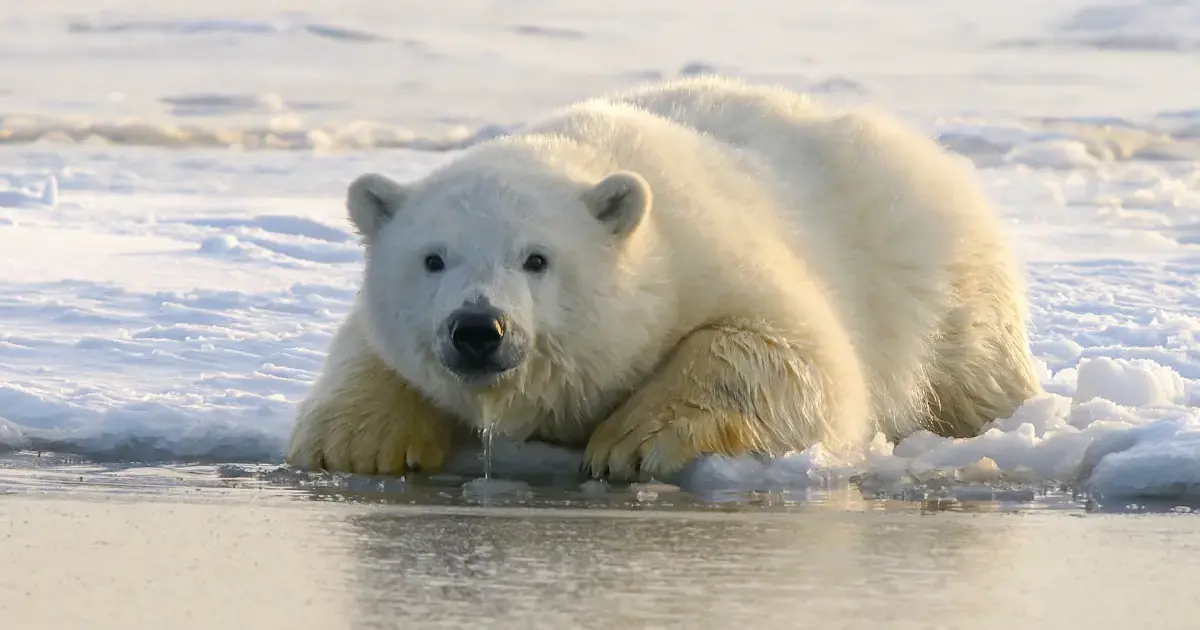
 A new study has revealed that climate change is causing genetic alterations in polar bears living in southeastern Greenland. Scientists predict that by 2050, more than two-thirds of polar bears could face extinction, with a complete disappearance expected by the end of the century.
Researchers found a strong link between rising temperatures in the region and changes in the DNA of polar bears. These genetic modifications may help them better adapt to the higher temperatures caused by climate change.
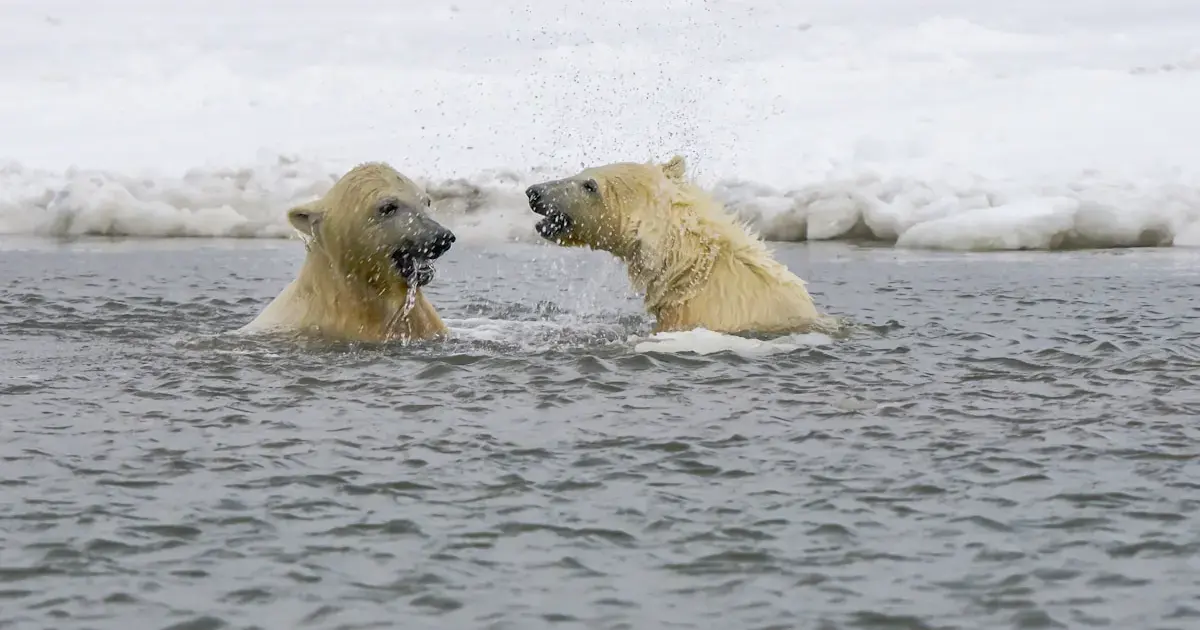
Dr. Alice Godden, an environmental specialist at the University of East Anglia and the lead author of the study, stated, “We still need to do everything we can to reduce global carbon emissions and slow the rise in temperatures.”
The temperature of the Arctic continues to rise, diminishing the vital ice platforms that bears rely on for hunting seals. This trend could lead to their isolation, food shortages, and ultimately, starvation.
During the study, scientists analyzed blood samples taken from polar bears in two regions of Greenland — the northeast and the southeast. The team compared the activity of so-called “jumping genes” — DNA sequences that move from one location in the genome to another.
“These genes jump around freely and do so more often when the animal is very hot or starving. It’s possible that the activity of these jumping genes could lead to harmful mutations. However, it’s more likely that this damage will be repaired by cells and won’t be passed on to future generations of bears,” Dr. Godden explained to the Daily Mail.
Researchers knew that temperatures in the northeast were lower and less variable than in the southeast, where it was significantly warmer and there was less ice. As expected, the activity of the jumping genes was higher in the bears from the southeast, correlating with the higher temperatures in that region.
It is likely that polar bears in the southeast are naturally adapting to survive in increasingly challenging conditions, where temperatures are rising and the ice cover is becoming more fragmented.

The team found that some genes related to heat stress, aging, and metabolism behave differently in the southeastern population of polar bears. Changes were also detected in DNA regions associated with the expression of genes involved in fat metabolism, which is crucial for mammals in times of food scarcity.
This may indicate that bears in the southeast are gradually adapting to a rougher plant-based diet, which is typical for warmer regions, compared to the predominantly fatty diet of northern populations.
“If these polar bears can find enough food and mates for reproduction, they may potentially survive in these new challenging climate conditions,” Dr. Godden believes. However, the fact that these animals in the southeast are slowly adapting does not mean they are at a lower risk of extinction.
In fact, this study is the first to identify a statistically significant link between temperature and DNA changes in wild mammals. Understanding these genetic processes is crucial for determining future conservation strategies and identifying populations that are most at risk.
The findings of the study were published in the journal Mobile DNA.
Photo: Unsplash
