
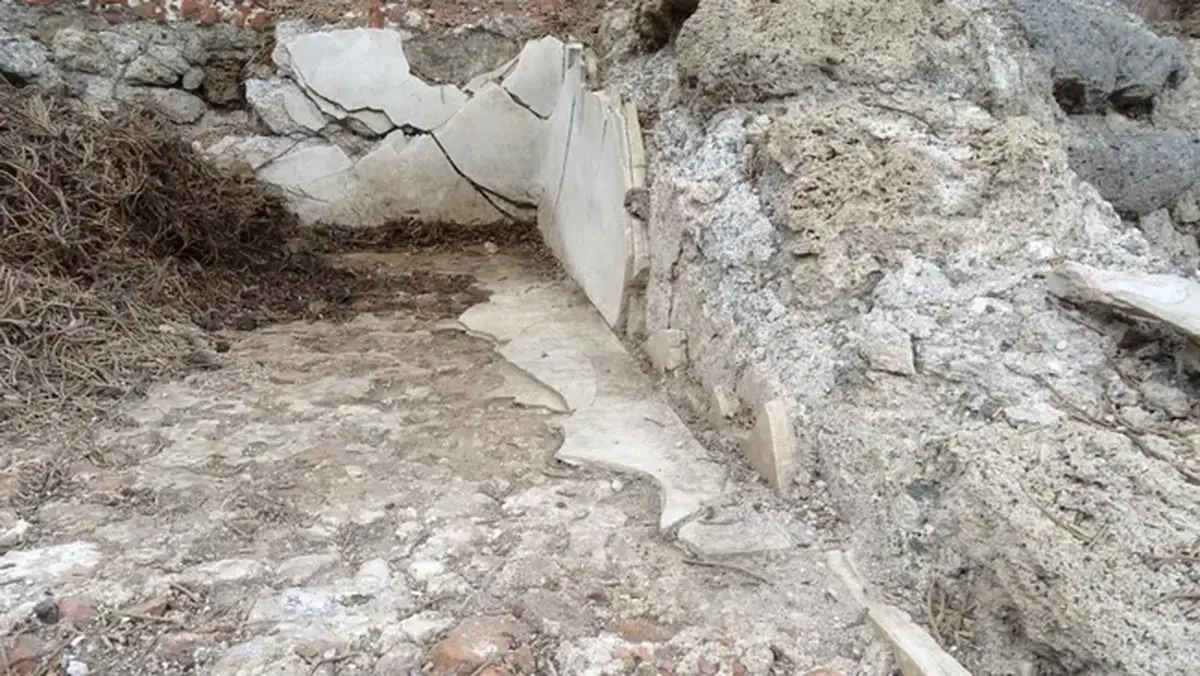
 Researchers from Johannes Gutenberg University in Mainz, Germany, examined the limescale in the ancient baths of Pompeii and discovered that the water was changed only once a day. And this finding is not even the most shocking.
What did the scientists report?
The ancient Romans are well-known for their advanced water supply systems and public . However, according to new research, the first baths built in were not particularly clean and fell far short of basic hygiene standards.
“It’s quite likely that bathing was unhygienic and therefore not very appealing,” said geoarchaeologist Gül Surmeli̇hindi, the lead author of the study, in an interview with Live Science.
Public baths were a key part of Roman culture, and as the Roman Empire expanded, the bathing culture evolved as well. “At the height of the Roman Empire, the Romans built long aqueducts to bathe and cleanse themselves daily,” Surmeli̇hindi explained.
However, in the early baths of Pompeii, which were in use from around 130 to 30 B.C. during the Roman Republic (509-27 B.C.), the situation was quite different. Before the aqueduct was built, the city’s baths were filled with water from wells and cisterns using a single water-lifting mechanism operated by slaves. Water could only be replenished once a day, making its cleanliness in public baths highly questionable.
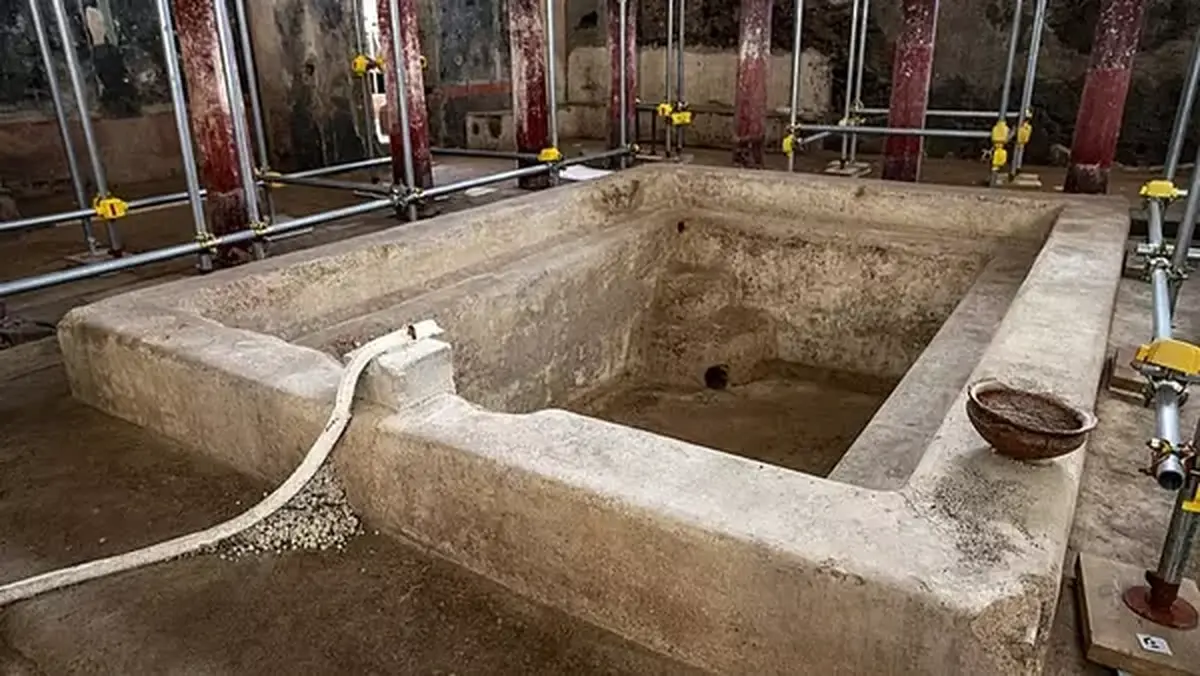
What was the water like in the Pompeian baths?
To investigate the composition of the water in these ancient baths, scientists analyzed samples of carbonate deposits that formed in the plumbing system, including pipes and pools. The team found that the baths had significantly lower levels of stable carbon isotopes compared to the well that supplied water to the bathing complexes. This indicates that the water in the baths contained a lot of organic matter. The lowest levels of carbon isotopes were found in areas where dirty water was drained, which makes perfect sense.
According to the researchers, this water contained traces of “microbial activity and human waste (such as sweat, skin oil, urine, and bathing oils).”
“These baths were something we can hardly imagine today. People didn’t use soap; they used olive oil to rub on their bodies and scrape off the dirt,” noted co-author of the study, Syees Passchier.
Additionally, the scientists examined the contamination of the baths with heavy metals. The team found elevated levels of lead— a toxic element that could have entered the pools through the system of lead pipes. The water in the Pompeian baths also contained copper and zinc.
It’s interesting to ponder whether the murky water deterred the residents of Pompeii. Probably not too much, the scientists suggested.
The results of their research were published in the journal PNAS.
