
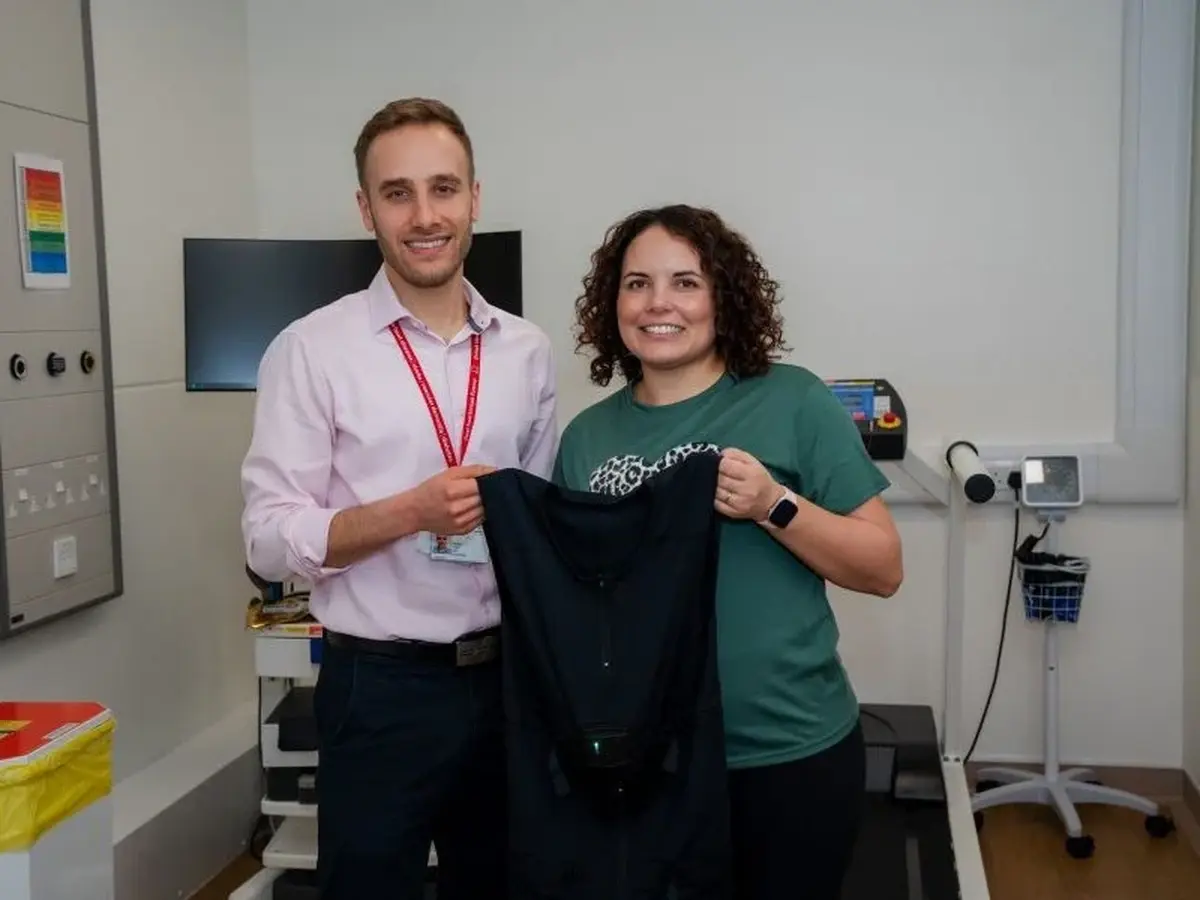
 Researchers from the British Heart Foundation and Imperial College London have created an incredible shirt designed to detect heart issues, including rare hereditary diseases.
How It Works
Unlike portable electrocardiograms typically used for one or two days, this smart shirt can be worn for up to a week. This duration is sufficient to identify hidden ailments. Afterward, it can be washed and worn again.
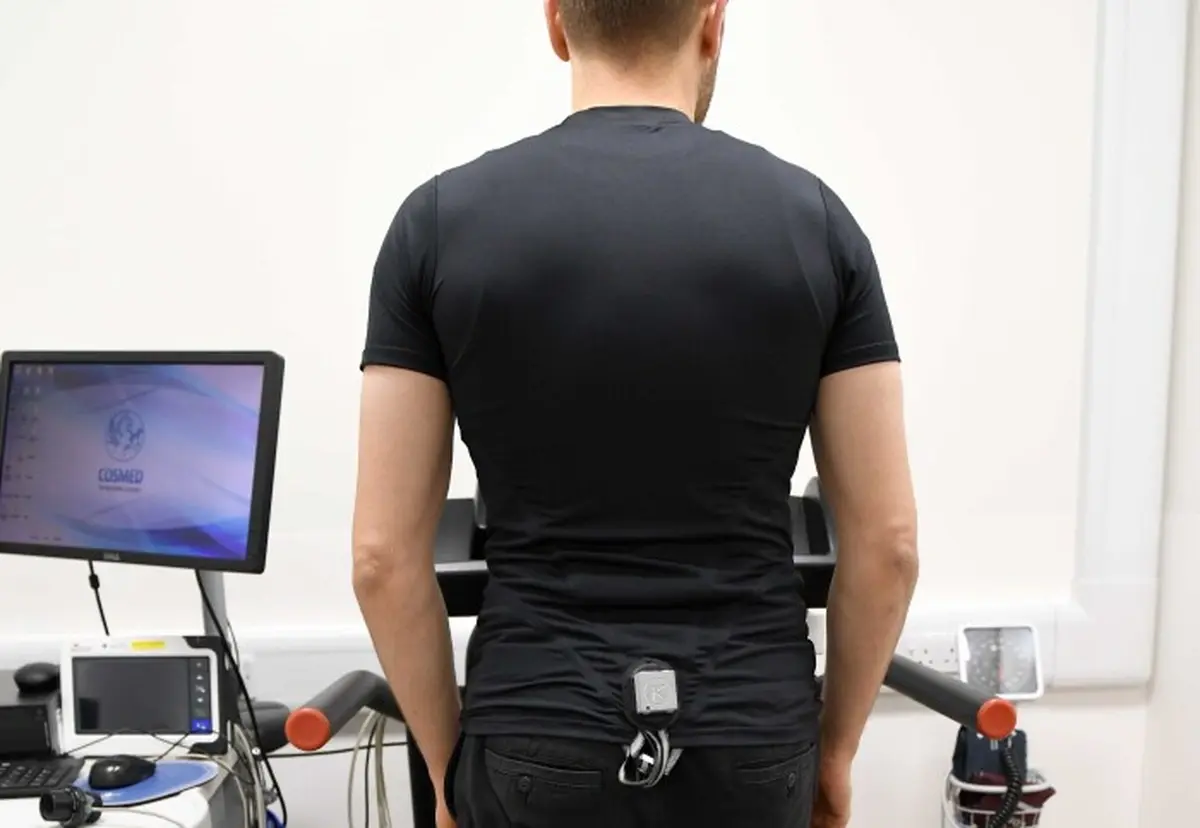
Made from innovative sportswear material, the shirt fits comfortably under shirts or dresses. It doesn’t interfere with daily activities like working, eating, or sleeping.
Fifty sensors are embedded in the fabric around the chest area, continuously monitoring the electrical signals of the throughout the day, as reported by Daily Mail.
The diagnostic device in the form of a shirt transmits data to a computer, which uses a specially designed system to analyze the information and detect any problems.
Why This Invention Matters
Hereditary heart diseases can cause shortness of breath or during everyday activities, such as driving or exercising. These conditions increase the risk of sudden death if not detected and treated in time.
Meanwhile, diagnosing such conditions in a hospital is not always accurate: heart rhythm tests and scans often yield completely normal results.
Zachary Winnett, a professor of cardiology at Imperial College London who participated in the development of the smart shirt, noted, “Too many people die from hereditary heart diseases that could be treated if they were detected earlier. One of the problems with current diagnostics is that heart rhythm disturbances are not always detected during a standard 10-minute ECG in a hospital or a 48-hour ECG monitoring at home.”
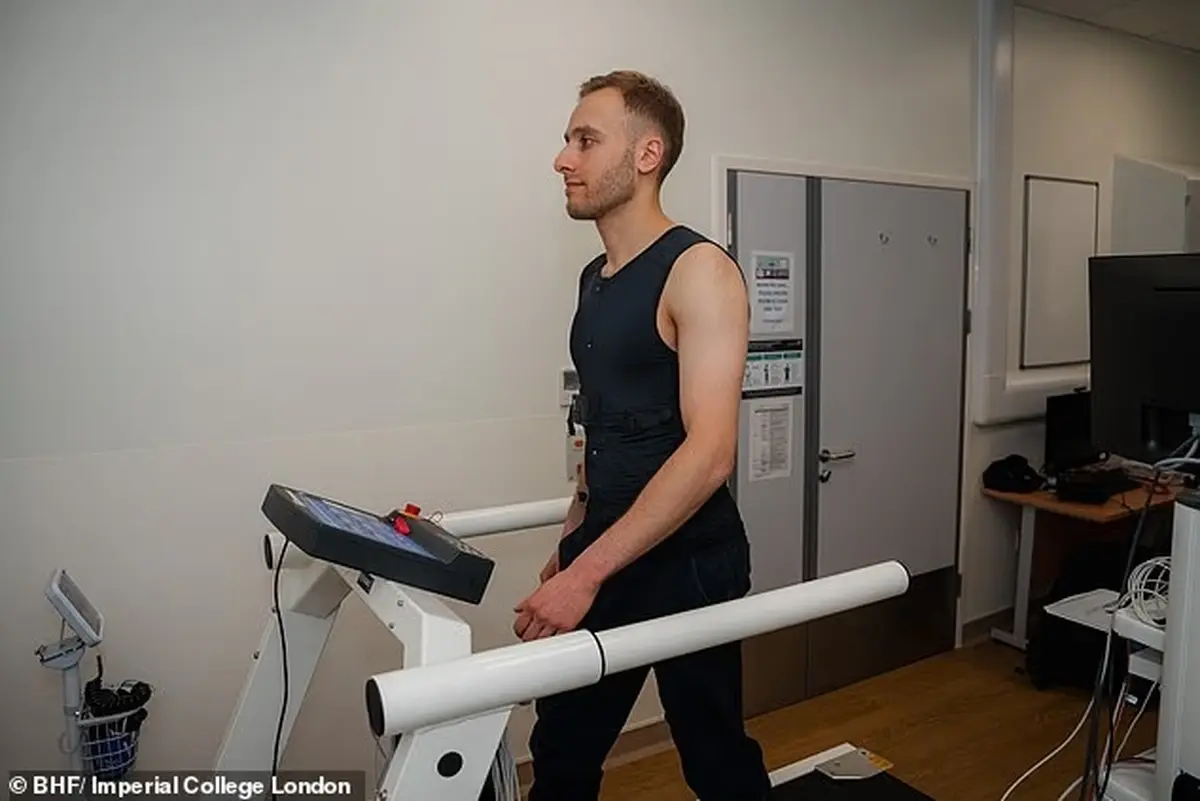
Researchers believe that this cutting-edge technology will be available to cardiologists in about five years.
Initially, scientists will test this heart rhythm diagnostic method on adults. Later, they plan to adapt it for children as well.
The researchers also aim to modify it for easier identification of atrial fibrillation.
“We hope that by leveraging artificial intelligence, our research will significantly enhance doctors’ ability to detect these diseases and improve the quality of life for individuals who may not even realize they are suffering from a genetic heart condition,” said Professor Winnett.