
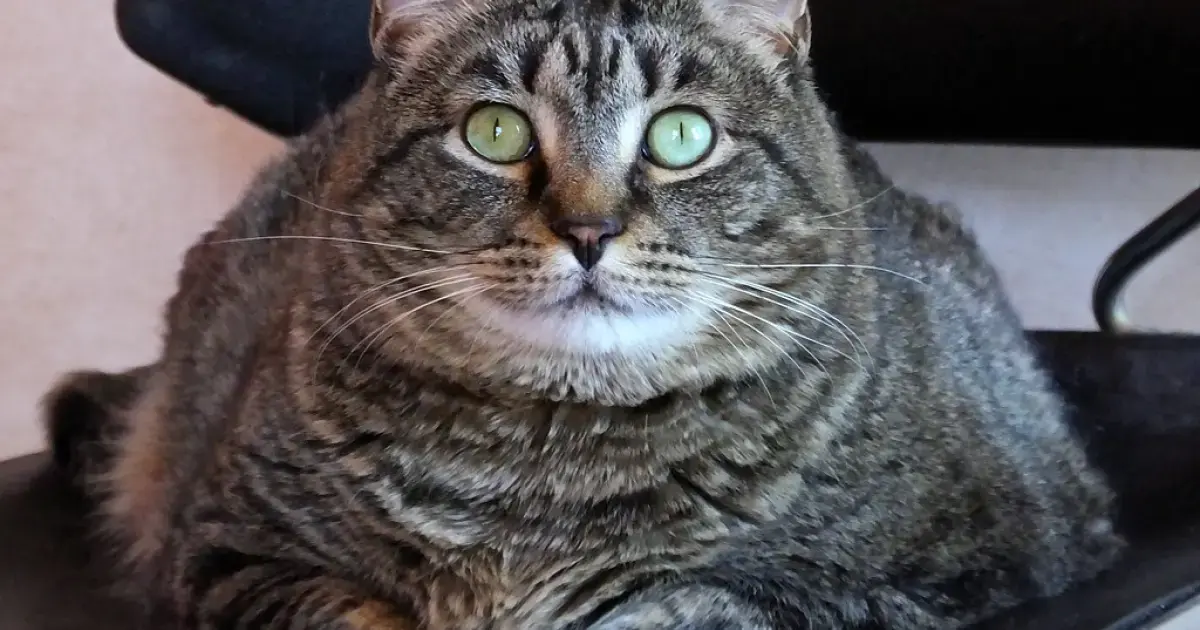
 Weight-loss drugs have transformed obesity treatment in people. Now researchers are testing a similar drug for cats, called OKV-119.
San Francisco-based OKAVA Pharmaceuticals announced that the first cat has received an injection in an early trial of the drug. This is just the initial phase of testing a drug that will help cats shed pounds.
OKAVA says it hopes to make Ozempic-like injections available for cats within two to three years, which could help them live healthier, longer lives, the Daily Mail reports.
What do we know about the cat slimming drug?
Ozempic and Wegovy contain semaglutide, a GLP-1 receptor agonist. For the first time, OKAVA is testing a GLP-1 drug specifically designed for pets.
Instead of the weekly injections humans get, cats would receive a long-lasting implant slightly larger than a microchip. This implant will be placed under the skin and will provide a continuous dose of the weight-loss drug for six months.
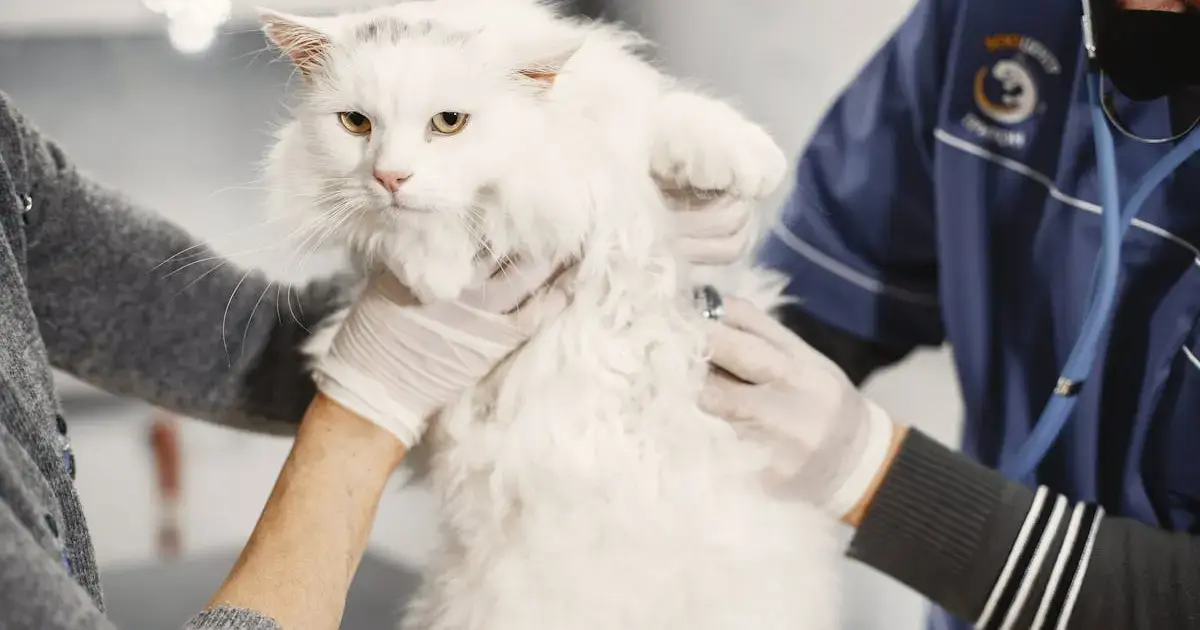
These medications mimic the action of a natural hormone called glucagon-like peptide-1, which stimulates insulin production, slows digestion, and creates a feeling of fullness.
Some studies have shown that GLP-1 medications developed for humans can reduce appetite and promote weight loss in cats and dogs. There is also evidence that the drug OKV-119 is safe for cats, but clinical proof of its effectiveness in treating feline obesity is still lacking.
For this new study, OKAVA hopes to recruit over 50 cats, with at least two-thirds of the furry participants receiving the implant.
Researchers will monitor the cats’ weight loss over three months, and, at the owners’ request, for up to six months.
If the drug proves successful, developers will begin larger clinical trials next year and submit an application for approval to the U.S. Food and Drug Administration (FDA).
This means that cats could start receiving weight-loss injections by 2028 or 2029. For pet owners and veterinarians struggling to manage their pets’ weight, this could be a significant breakthrough.
Currently, the standard method for treating obesity in pets is a diet that involves calorie restriction and increased physical activity. However, diets often fail because of pets’ persistence. In other words, most pets are better at begging for food than their owners are at saying no.
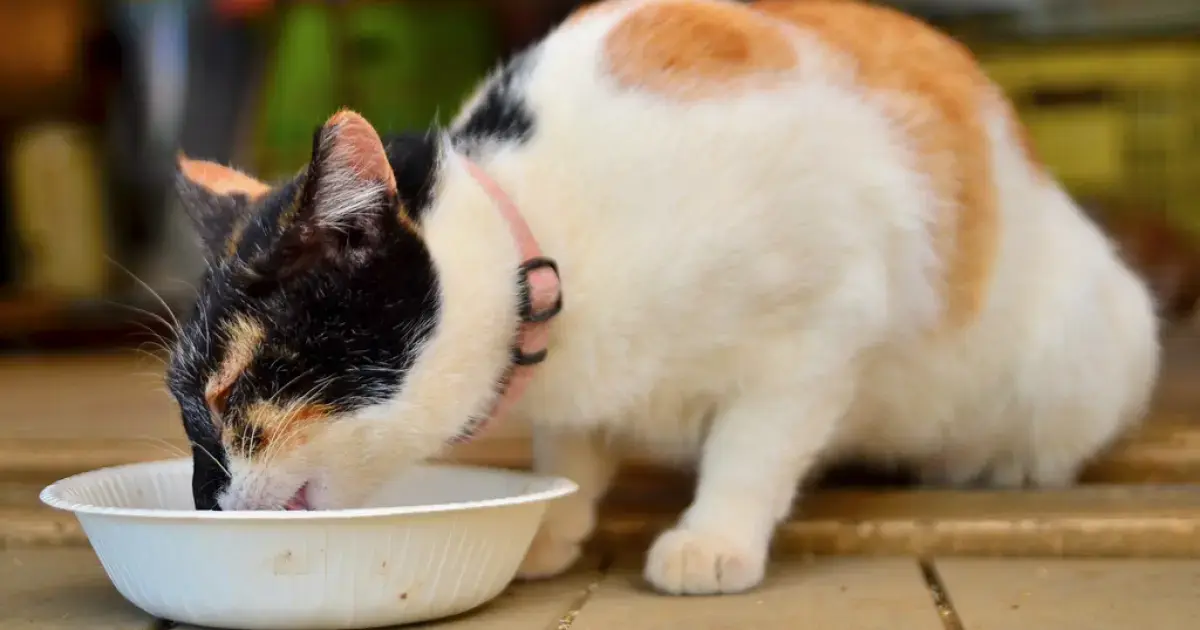
Dr. Michael Klotsman, CEO of OKAVA, said: “Caloric restriction, or fasting, is one method of extending life and improving metabolic health in cats that has proven effective, but it is very difficult to maintain. The OKV-119 drug is designed to mimic many of the physiological effects of fasting without requiring significant changes to the diet.”
Just like in humans, obesity increases the likelihood of heart disease, diabetes, liver disease, urinary tract problems, and cancer.
Photo: Openverse
