
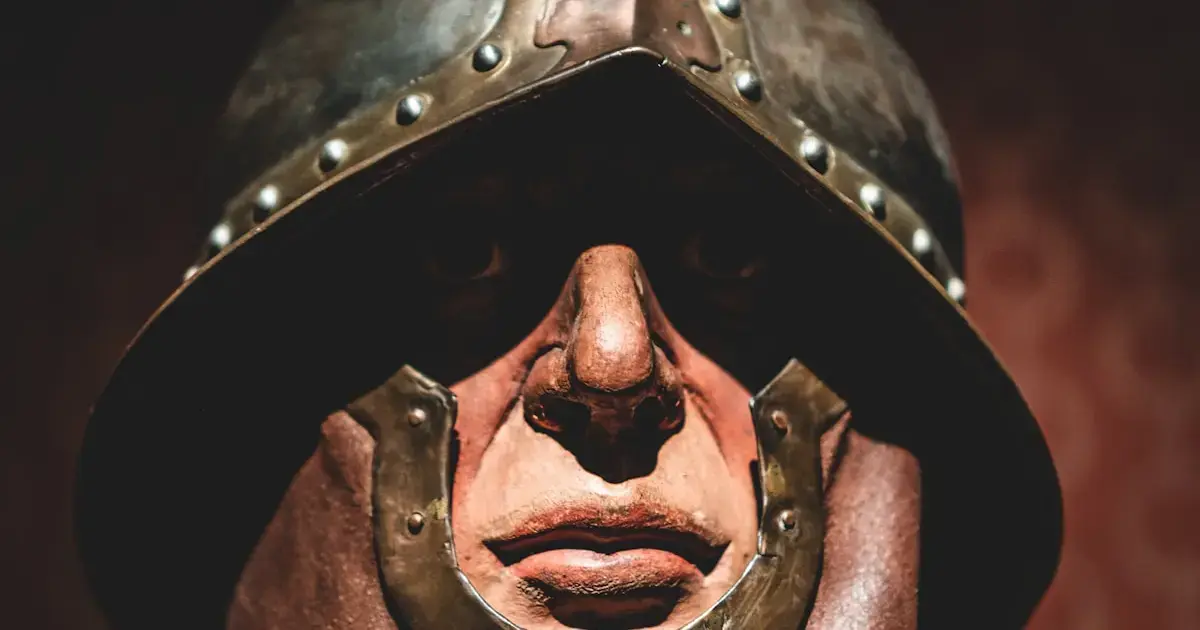
A team of Spanish researchers discovered the remains of a knight who suffered from Crouzon syndrome during excavations at the Zorita de los Canes castle in Guadalajara. According to the scientists, the man died between the 13th and 15th centuries, but his diagnosis has only been made now. This marks the first instance of identifying the remains of an adult with this rare genetic disorder.
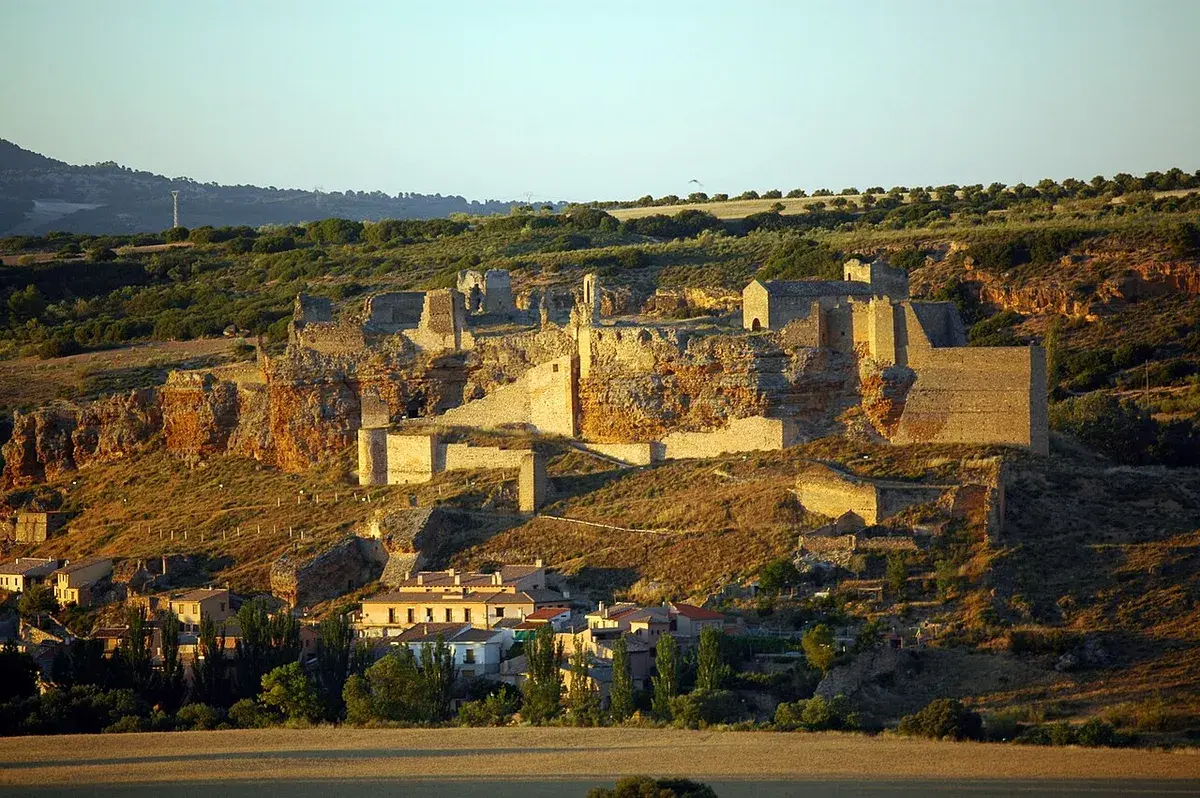
Zorita de los Canes Castle
What Did the Scientists Report?
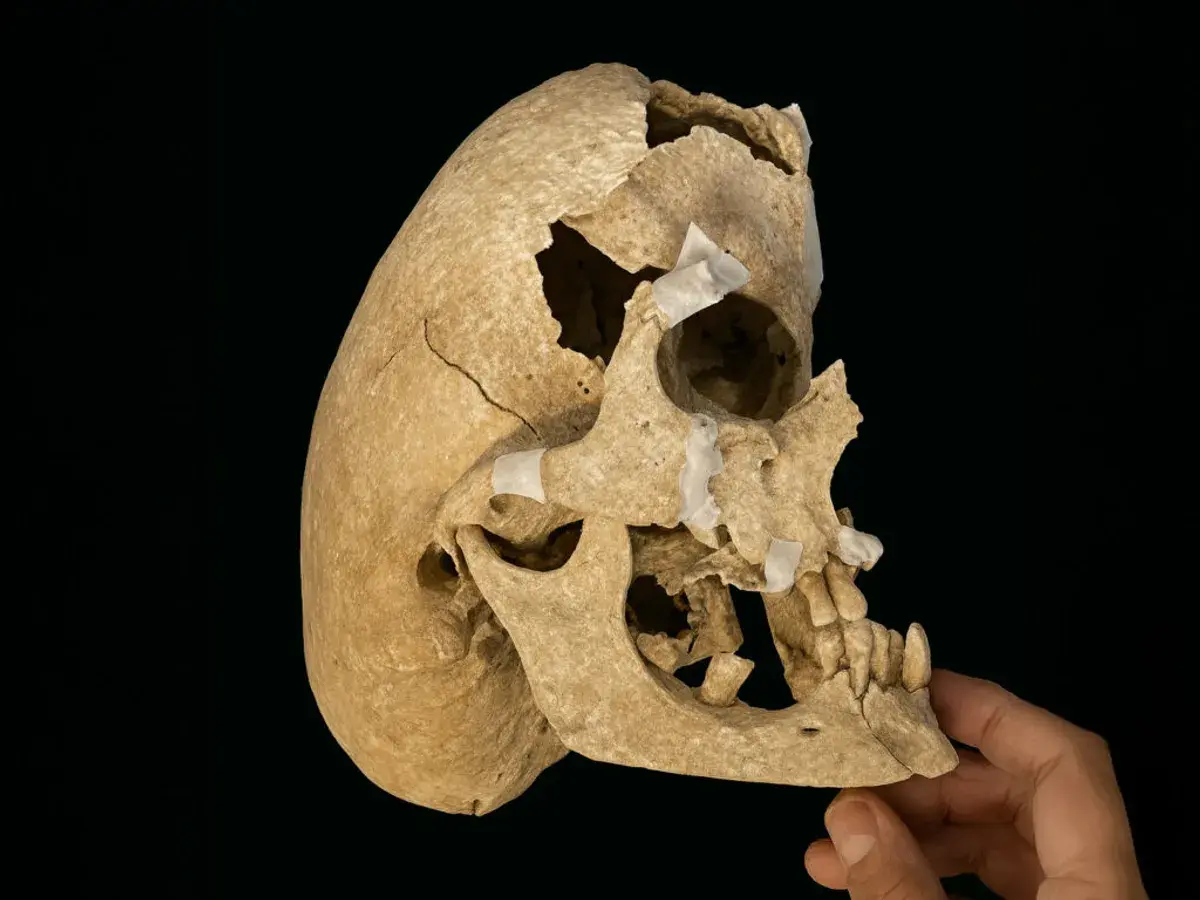
Researchers from the University of Barcelona and the Rovira i Virgili University studied the unusual remains of a man. While most of the skeleton was unremarkable, the skull was extraordinarily narrow and elongated—measuring 23 centimeters in length and 12 centimeters in width. The team concluded that this individual suffered from Crouzon syndrome.
“This is a unique case. Previously, we identified the remains of infants with this condition, but we have never seen it in adults, let alone in knights,” said Carme Rissech, the lead author of the study.
Due to Crouzon syndrome, the man developed craniosynostosis—a condition where an infant’s skull develops improperly, taking on an unusual shape. Today, such physical anomalies are corrected through surgical methods, but in the Middle Ages, this was unimaginable, the publication IFLScience reported.
According to Dr. Rissech, the knight likely died around age 50. The team determined this through morphological analysis of the remains, which allows for assessing not only the age of the individual at the time of death but also their lifestyle and occupation.
How Did the Scientists Determine He Was a Knight?
Experts believe the knight belonged to the Order of Calatrava—a Spanish medieval military-religious order founded in Castile in the 12th century. Like the more famous Templars, members of the Order of Calatrava were called to fight against Muslim forces in Spain.
In 1174, King Alfonso VIII of Castile ceded the Zorita de los Canes castle in Guadalajara to the order for the protection of the border.
“The attachment marks of the deltoid and biceps muscles on the right arm are identical to those found on the bones of other knights,” Dr. Rissech explained regarding the analysis of the remains.
Certain features of this man’s skeletal structure indicated that he regularly rode horses. However, the most telling signs of his knightly status were the bone injuries.
The scientists documented a penetrating wound to the temple at the junction of the sphenoid, frontal, temporal, and parietal bones, as well as another penetrating wound to the back of the head. The man also had a significant fracture of the left tibia with concentric breaks.
“These are very characteristic injuries that can be found in the remains of medieval warriors who died on the battlefield; these injuries differ from those found in victims of sieges,” the researcher noted. She also added that the knight’s death was due to injuries sustained in battle.
According to the researchers, in most cases, Crouzon syndrome does not lead to serious cognitive impairments and does not affect life expectancy. This knight rode horses and wielded a sword, being a full member of the community and a brave warrior. However, he may have needed assistance with simple tasks, such as eating, as indicated by his severely damaged jaw. The team also noted a significant amount of dental plaque, which may be related to the absence of teeth on the right side of his mouth.
The study’s findings were published in the journal Heritage.