
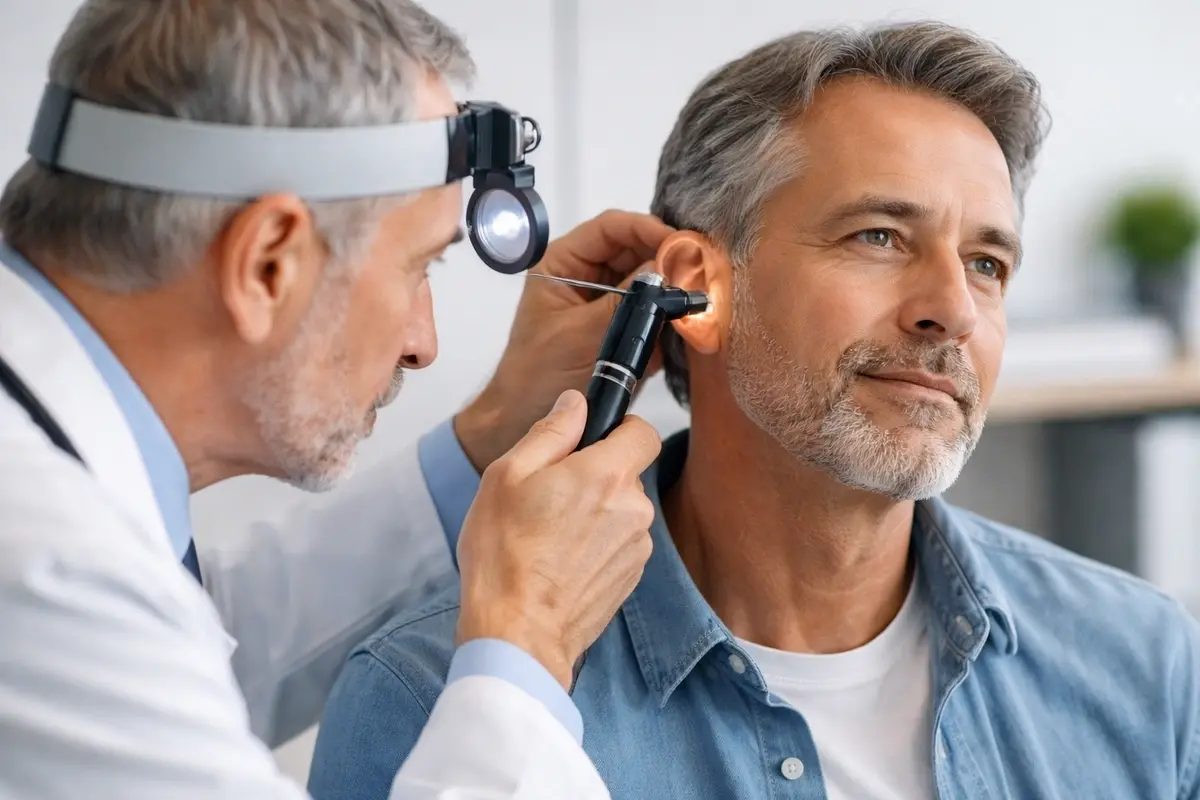
In today’s world it’s hard to find someone who hasn’t used headphones. Many people wear them for nearly the entire day.
Advice about using headphones usually focuses on loud sounds damaging .
But besides sound, something else gets into our ears. Using headphones — especially in-ear models — blocks the ear canal and brings the skin into contact with dirt or bacteria that live on the device.
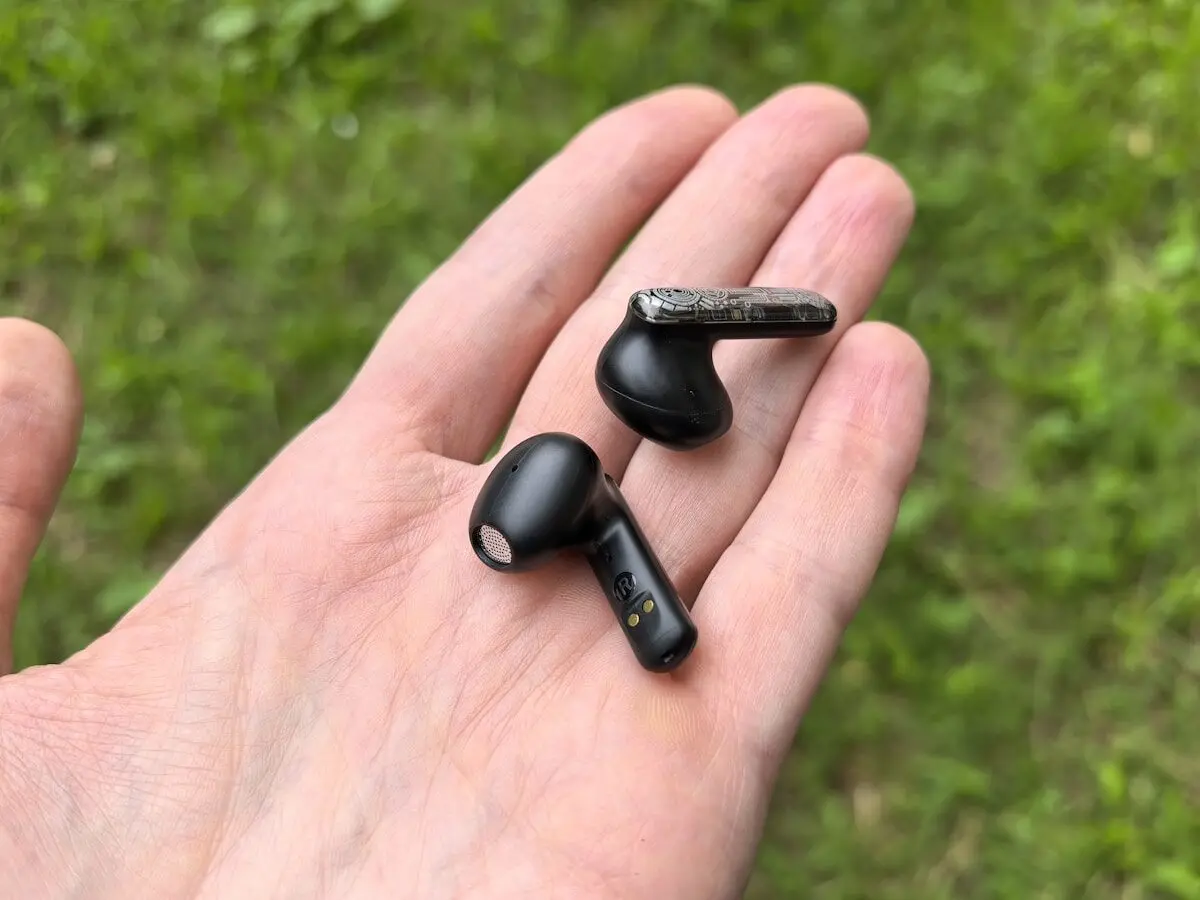
How to Protect Your Ears from Headphones
Sound vibrations travel down the ear canal — a few centimeters long and S-shaped — and reach the eardrum.
In the deeper parts of the ear canal the body produces earwax and oils. These substances help keep the skin healthy, moisturize it, and lower the risk of infection. Meanwhile tiny help regulate temperature and keep foreign objects out. Those hairs and the earwax trap and remove small particles, dead skin cells, and bacteria from the canal.
Yes, earwax is important for the ear’s self-cleaning — but we usually only notice it when there’s too much.
Excess buildup can worsen hearing or clog the mesh on headphones. Do not remove earwax yourself; have a doctor remove it.
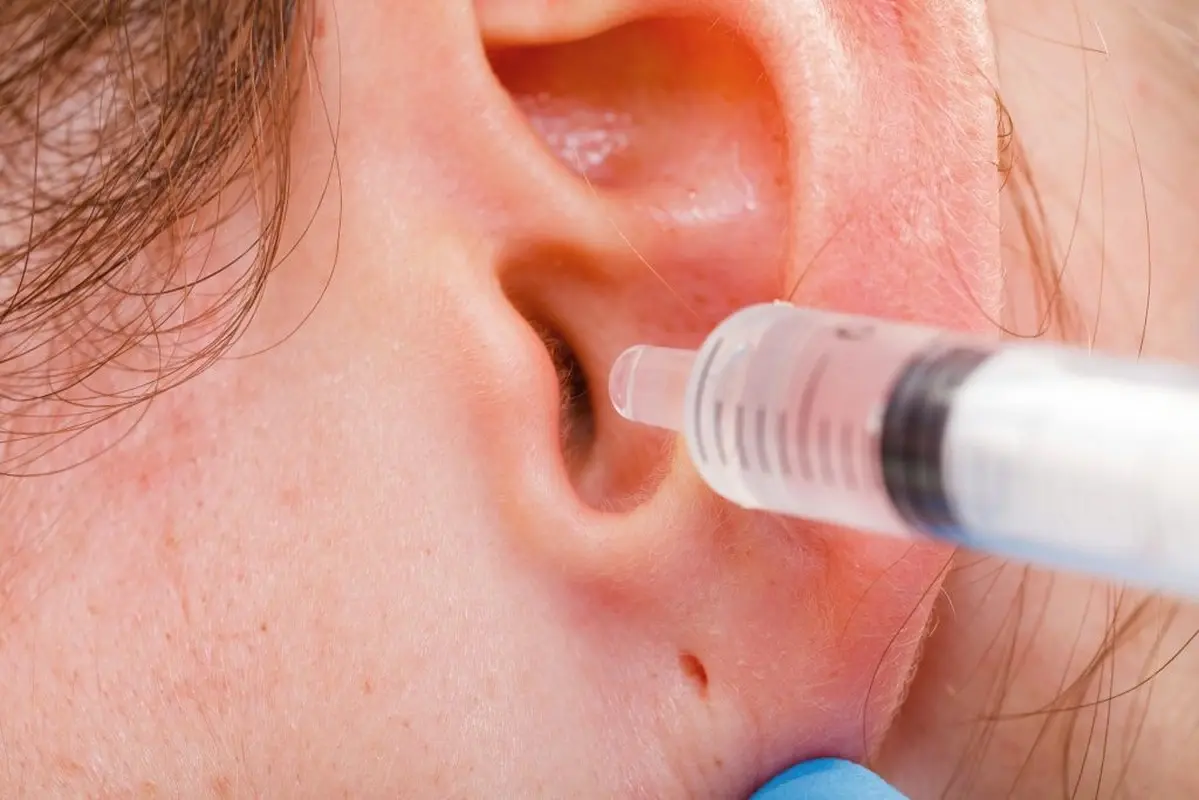
How Headphones Change the Microbes in Your Ear
Healthy ear canals host many harmless microbes — mostly bacteria, plus fungi and viruses. These microbes compete for space and nutrients. That microbial variety makes it harder for potential pathogens to take hold.
But wearing headphones (and other in-ear devices like hearing aids or earplugs) can upset the balance between “good” and “bad” bacteria.
In a recent study, Finnish scientists compared the bacterial makeup of the outer ear canals of 50 hearing-aid users and 80 non-users. The hearing-aid users had their external ear canals blocked for long periods, and their canals showed fewer bacterial species than the non-users, Science Alert reports.
Last year researchers in Saudi Arabia studied how using headphones (full-size, in-ear, and on-ear) affected the growth of fungi and bacteria in the ear canal. The team found that headphone use is linked to a higher risk of ear infections, especially when people share the devices.
That link may come from the fact that wearing headphones, particularly in-ear models, raises the temperature and humidity inside the external ear canal. Moisture gets trapped more easily when someone wears headphones while exercising and sweating.
Higher humidity increases the risk of ear infections and discharges, including pus.
Also, long-term use of devices like hearing aids or headphones can interfere with the ear’s natural self-cleaning function, which earwax supports.

What to Do to Protect Your Ears from Headphones
First, give your ears a break from headphones. Let your ear canals breathe during the day.
Clean your headphones regularly. How often depends on how much you use them, especially if you exercise while wearing them.
by wiping it with a cloth or running a soft brush dampened with soapy water over it. Then blot it dry with a paper towel and let it air-dry for several hours before charging or using it again. Don’t forget to clean the case.
If you have an ear infection, don’t use headphones. They raise temperature and humidity in the ear and can slow recovery.
If you experience itching, redness, or discharge from your ears, stop using headphones until you finish treatment.
Photo: Unsplash
