
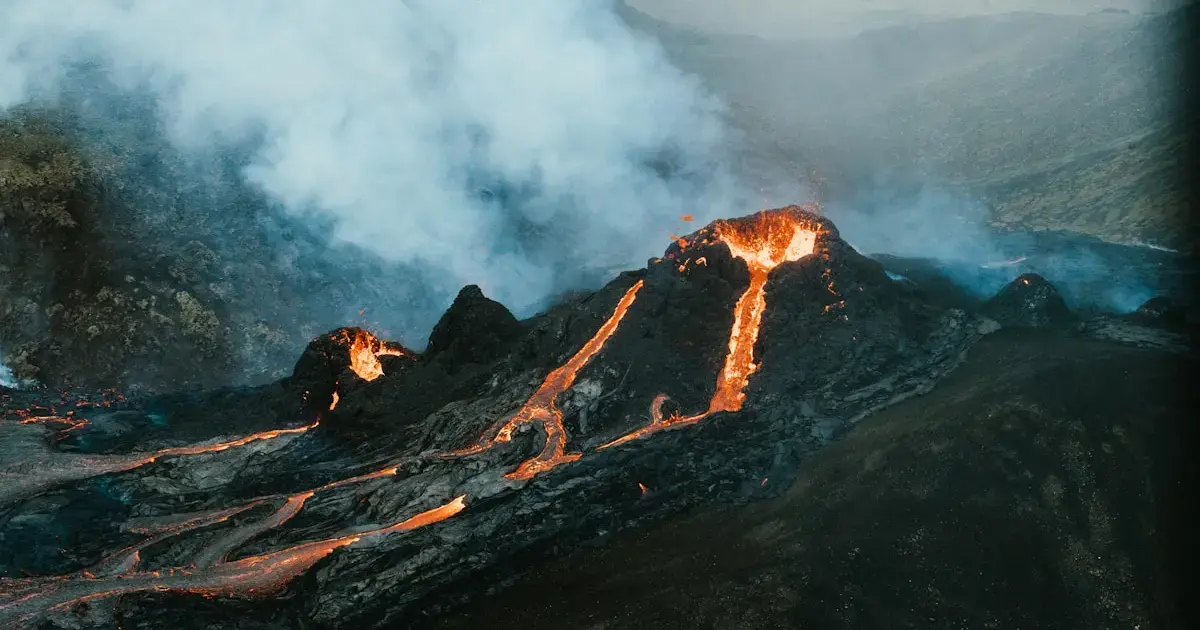
These hidden volcanoes often go unnoticed, unlike Mount Etna in Sicily or Yellowstone in the U.S., but they erupt more frequently than most people realize.
Mike Cassidy, a researcher in the Department of Geography, Earth and Environmental Sciences at the University of Birmingham in the UK, said that in regions like Africa, South America, and Indonesia, eruptions from volcanoes with little-known histories occur every seven to ten years. The consequences can be unexpected and far-reaching.
One such volcano, Haili-Gubbi in Ethiopia, erupted in November 2025 — the first time in recorded history, based on research covering at least 12,000 years.
The eruption sent ash plumes soaring 13.5 kilometers into the sky, with volcanic material falling in Yemen and spreading into the airspace over northern India.

In 1982, the little-known and uncontrolled Mexican volcano El Chichón erupted after centuries of dormancy. Scorching avalanches of rock, ash, and gas leveled large swaths of jungle. Over 2,000 people lost their lives, and 20,000 were forced to flee their homes. However, the disaster did not stop at Mexico’s borders. The eruption released sulfur into the upper atmosphere, leading to cooling in the Northern Hemisphere, a southward shift of the African monsoon, and ultimately severe drought.
Despite these lessons, global investment in volcanology has not kept pace with the risks: fewer than half of the active volcanoes are being monitored. Furthermore, scientific research continues to focus predominantly on a few well-known volcanoes.
More studies have been published on Mount Etna than on all 160 volcanoes in Indonesia, the Philippines, and Vanuatu combined, ScienceAlert reported.
The largest eruptions affect not only nearby communities. They can temporarily cool the planet, disrupt monsoons, and lead to reduced crop yields across vast regions.
In the past, such shifts have resulted in famine, disease outbreaks, and social upheaval. Yet scientists still lack a global system to help them predict and manage future risks.
To tackle this issue, Cassidy’s team has launched the Global Alliance for Volcanic Risk Assessment — a nonprofit organization focused on preparedness for powerful eruptions.
The Alliance collaborates with scientists, policymakers, and humanitarian organizations to identify underestimated risks, enhance monitoring where it’s most needed, and provide support to communities before eruptions occur.
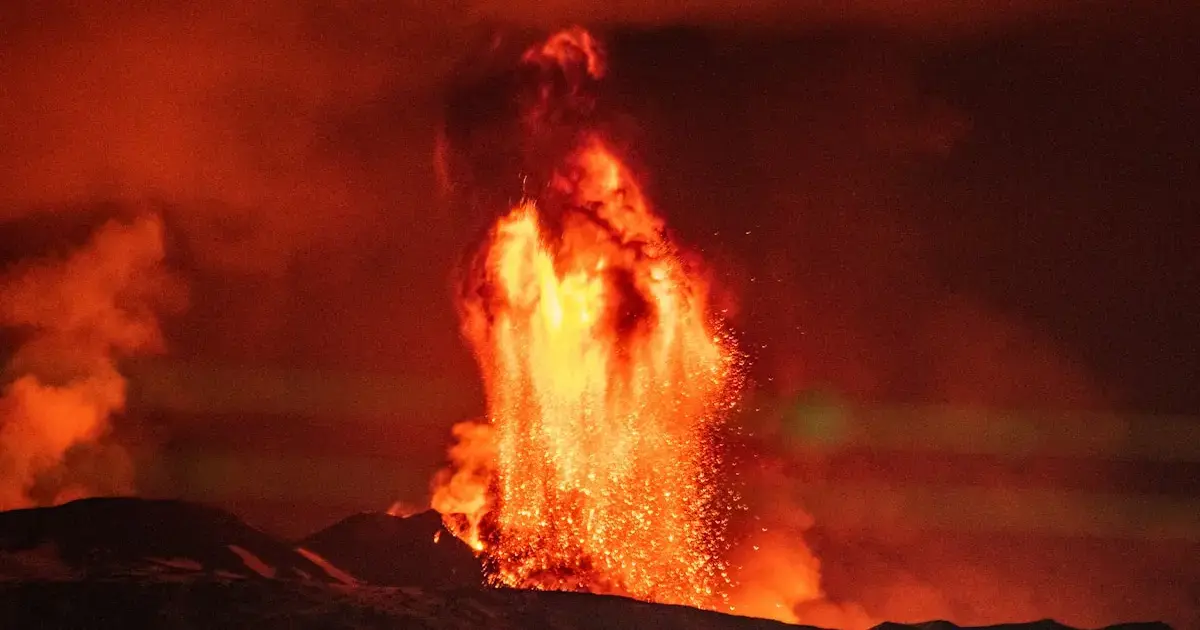
Why quiet volcanoes are deceptive
So why are hidden volcanoes often overlooked? Part of it ties back to predictable human biases. Many people assume that what has been quiet will remain so. If a volcano hasn’t erupted for several generations, locals often consider it safe.
Preparedness for volcanoes must be proactive, not reactive. When volcanoes are monitored, when locals know how to respond, and when interaction and coordination between scientists and authorities are effective, thousands of lives can be saved.
This approach helped prevent disasters that could have been catastrophic at Mount Pinatubo in the Philippines (1991), Merapi in Indonesia (2019), and La Soufrière on the Caribbean island of Saint Vincent (2021).
Thus, the world needs to shift its focus to under-monitored volcanoes in Latin America, Southeast Asia, Africa, and the Pacific region — areas where millions of people live near volcanoes about which there is little or no historical information.
Photo: Unsplash