
 Researchers link chronic discomfort in muscles and bones to so-called inflammatory foods in the diet—saturated fats, processed meats, fried foods, caffeine, alcohol, , refined flour, store-bought gluten bread, vegetable oils, dairy products, sugar, , and other additives that increase cortisol levels in the blood. Unlike other allergens, the body does not shut down the inflammatory response after the danger has passed when it comes to food-related pain. So, how can we tackle this issue?
Food and Cortisol
Inflammatory foods are those that cause chronic in the body when consumed regularly. These include alcohol, fried foods, vegetable oils, saturated fats, trans fats, fast food, meat from grain-fed animals, processed meats, refined flour, dairy products, gluten in baked goods, sugar, artificial sweeteners, and synthetic food additives. A constant diet of these foods can lead to irritation and cause spasms. Studies have shown that a high intake of inflammatory foods can trigger muscle contractions without the ability to relax. Specifically, excessive , caffeine, and sugar is a primary dietary cause of back pain because these substances elevate cortisol levels in the blood.
What should you know about the steroid “stress and energy hormone”? Cortisol is a produced by the adrenal cortex to regulate the body’s responses to physical and emotional stress. It controls blood pressure and the immune system, regulates metabolism and nutrient exchange (increasing to fuel muscles and the brain), and is responsible for mobilizing energy (in response to danger or stress, it breaks down fats and proteins and raises glucose levels). Cortisol is essential for the body’s adaptation to changing conditions, and in moderate amounts, it provides necessary immune responses and reduces inflammation. However, excess or deficiency of this hormone can harm health. Chronically high cortisol levels can disrupt metabolism, raise blood pressure, decrease muscle mass, and lead to obesity.
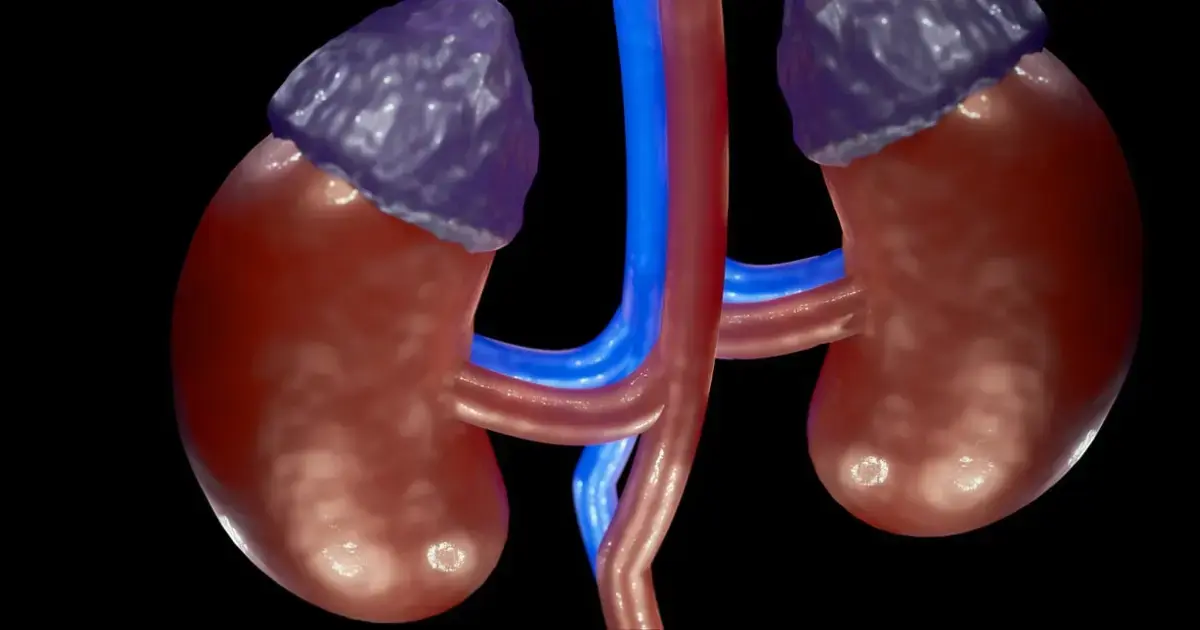
Normal Levels and Disorders
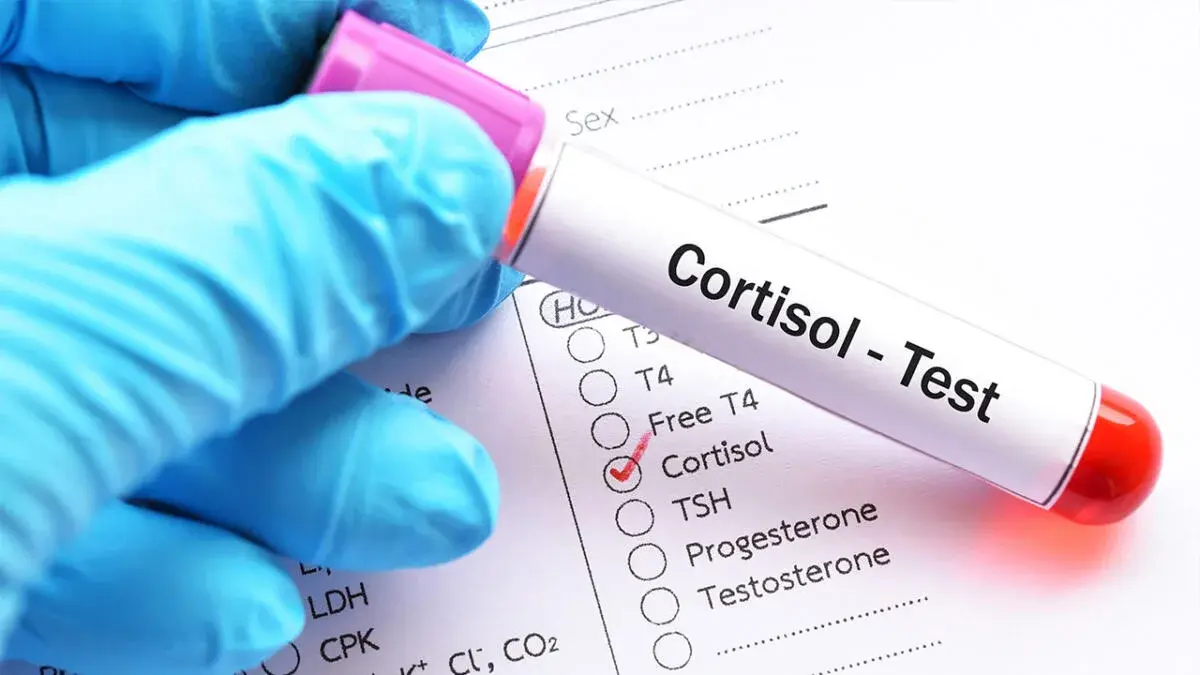
Normal cortisol levels in adults depend on the time of day: levels are highest in the morning—typically ranging from 138 to 690 nmol/L (or 5.0-25.0 mcg/dL) between 6:00 AM and 10:00 AM, and drop to 50-340 nmol/L (or 3-10 mcg/dL) between 4:00 PM and 8:00 PM. The normal range for women is 4.30-22.40 mcg/dL (in pregnant women, levels can increase by 2-5 times). To check cortisol levels, one should consult an endocrinologist and undergo tests (blood, urine, or saliva tests—salivary cortisol is considered the most accurate and convenient marker for acute stress response).
Symptoms of Elevated Cortisol Levels:
- muscle weakness and pain due to the breakdown of muscle proteins;
- persistent fatigue despite insomnia and feelings of exhaustion even after long sleep;
- high blood pressure (hypertension);
- rapid weight gain;
- metabolic disorders (cravings for sweets or salty foods, increased appetite, development of prediabetes);
- rounding of the face (“moon face” or “cortisol face”);
- changes in body shape around the abdomen (“cortisol belly” or fat deposits around the waist);
- decreased immunity and frequent colds and infections;
- high anxiety, irritability, and depressive states;
- memory and concentration issues (difficulty focusing);
- menstrual cycle irregularities;
- decreased libido due to hormonal imbalances;
- hair loss;
- acne and oily skin;
- thin skin and frequent bruising;
- pink stretch marks.
Chronically elevated cortisol levels exhaust the body, accelerate aging, and increase the risk of cardiovascular diseases and diabetes.
How to Lower Cortisol?
Lowering the stress hormone level is a complex task. Achieving this requires a balanced diet, normalization of sleep, regular moderate activity, and psychological relaxation.
Main Ways to Lower Cortisol:
- stress management through relaxation techniques—meditation, yoga, breathing exercises, nature walks, and enjoyable activities;
- maintaining a sleep schedule—going to bed before 11 PM to ensure at least 7 hours of quality sleep;
- moderate physical activity—walking, stretching, and swimming are more effective than exhausting workouts;
- mindful eating—limiting caffeine/alcohol and consuming appropriate foods.
Foods that Lower Cortisol:
- lemon balm;
- Omega-3 fatty acids (chia seeds, flaxseed oil, salmon, mackerel, and other fatty fish);
- vitamin C (bell peppers, broccoli, citrus fruits);
- magnesium-rich foods (bananas, spinach, nuts, seeds);
- healthy carbohydrates (buckwheat, oatmeal);
- supplements (after consulting a doctor) with B vitamins and vitamin D.
Conversely, it is essential to limit the intake of caffeine, alcohol, fast carbohydrates, and sugar. After consuming inflammatory foods, the immune system remains active: unlike other allergens, the body does not shut down the inflammatory response triggered by harmful foods once the danger has passed. Therefore, it is advisable to avoid inflammatory foods for at least three weeks to free the body from their effects. During this time, diversify your diet with brightly colored fruits and vegetables and other anti-inflammatory foods.
Other habits that induce include skipping meals, overeating, or adhering to a strict diet for an extended period. To prevent muscle and joint pain due to poor nutrition, it is crucial to avoid skipping meals to prevent blood sugar spikes, stay hydrated, and practice so-called “open positions” (stretching) daily. If signs of chronic stress persist, it is necessary to check the adrenal glands. After a medical examination, the doctor will develop an individualized treatment plan tailored to the specific situation.