
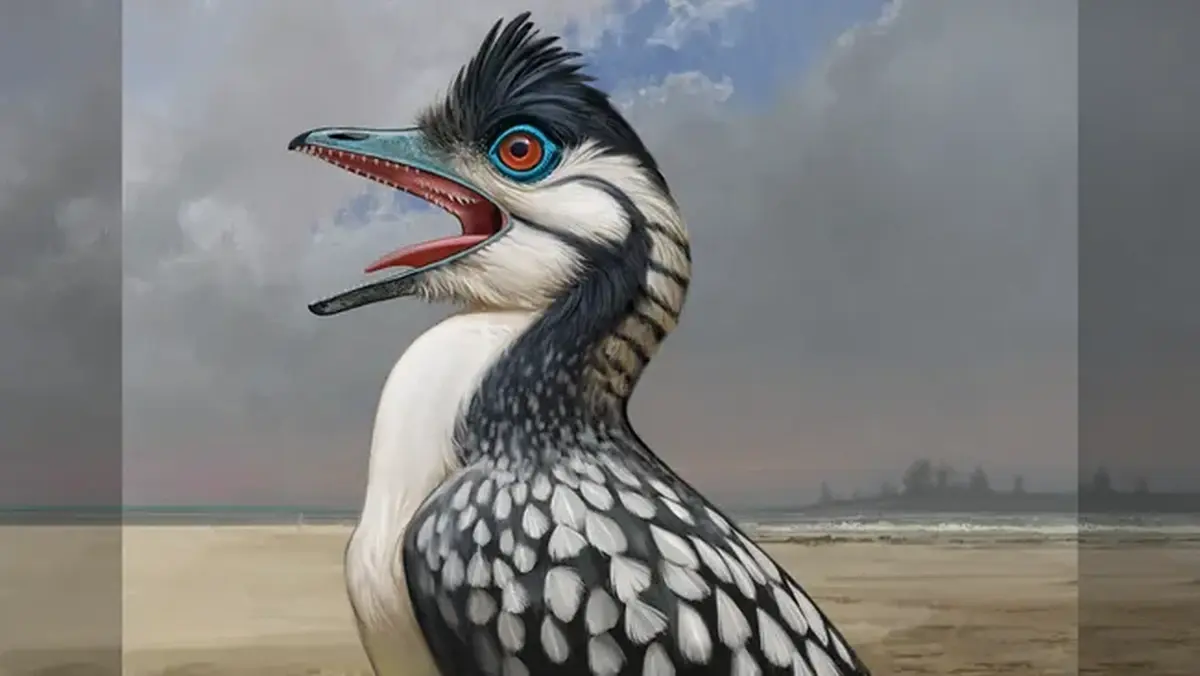
 For a long time, Archaeopteryx was considered the quintessential example of a transitional link between reptiles and birds. However, a fresh analysis of one of the best-preserved skeletons, known as the “Chicago specimen,” reveals that we have underestimated the complexity of its anatomy. Thanks to modern scanning techniques, scientists have discovered unique features in its oral cavity that had previously gone unnoticed. This finding enhances our understanding of the intricate evolutionary path of feathered creatures, as even , which forever altered the course of their evolution.
“Meaty Teeth” and a Mobile Tongue
One of the most striking discoveries was the presence of small conical projections on the palate—known as oral papillae. While Archaeopteryx had true teeth, these additional “meaty” structures helped it better manipulate its prey. In modern birds, such papillae act like a conveyor belt, directing food to the esophagus and preventing it from slipping away, reports LiveScience.
Additionally, researchers identified a tiny bone in the hyoid apparatus, indicating that Archaeopteryx had an exceptionally mobile tongue. This feature allowed it not only to swallow food but also to actively maneuver it within its mouth, which is critical for energy-efficient feeding.
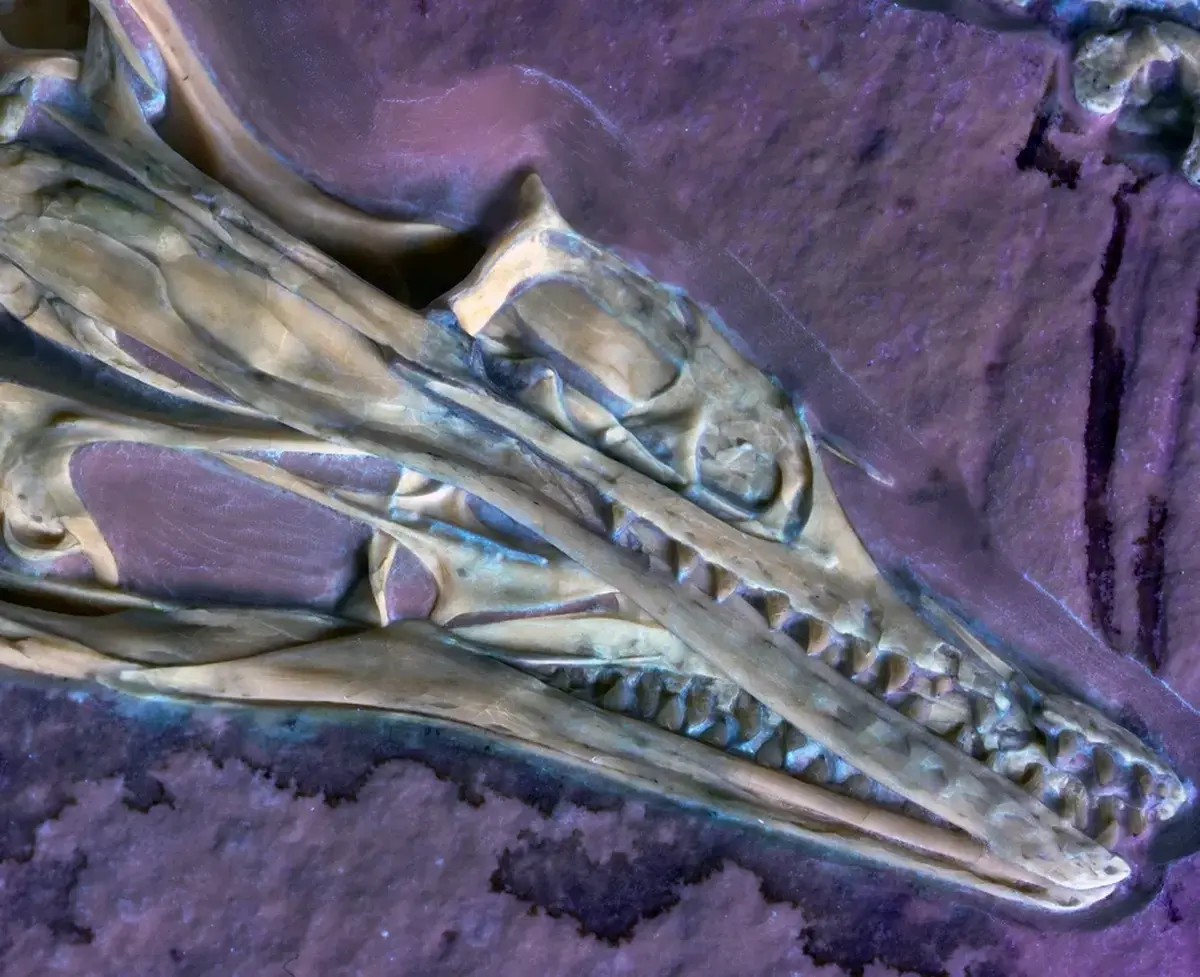
Sensitive Beak for Precise Hunting
Scientists from the Field Museum of Natural History also focused on the tip of the creature’s snout. CT scans revealed the presence of microscopic channels that once housed nerve endings. This suggests that Archaeopteryx had a sensory system in its beak similar to that of modern ducks or shorebirds. Such a “touch organ” allowed it to detect prey even in challenging conditions, such as mud or dense vegetation. This indicates that Archaeopteryx was a formidable hunter in its time, although it was far from the giants of the future: for instance, much later, , occupying a similar ecological niche.
Why This Matters for Evolution
These findings are reshaping our understanding of how dinosaurs evolved into birds. The complex feeding mechanisms identified in Archaeopteryx indicate that it required a significant amount of energy. This, in turn, is a necessary condition for sustaining active flight.
As co-author of the study Jingmai O’Connor notes, the features discovered prove that Archaeopteryx was much more similar to modern birds than previously thought. It emerges not just as a “feathered dinosaur,” but as a highly specialized creature with a unique set of survival tools. Today, scientists are not only studying such lost species but are also literally trying to bring them back to life: biotechnologists plan to , resurrecting yet another legendary extinct giant bird.
