
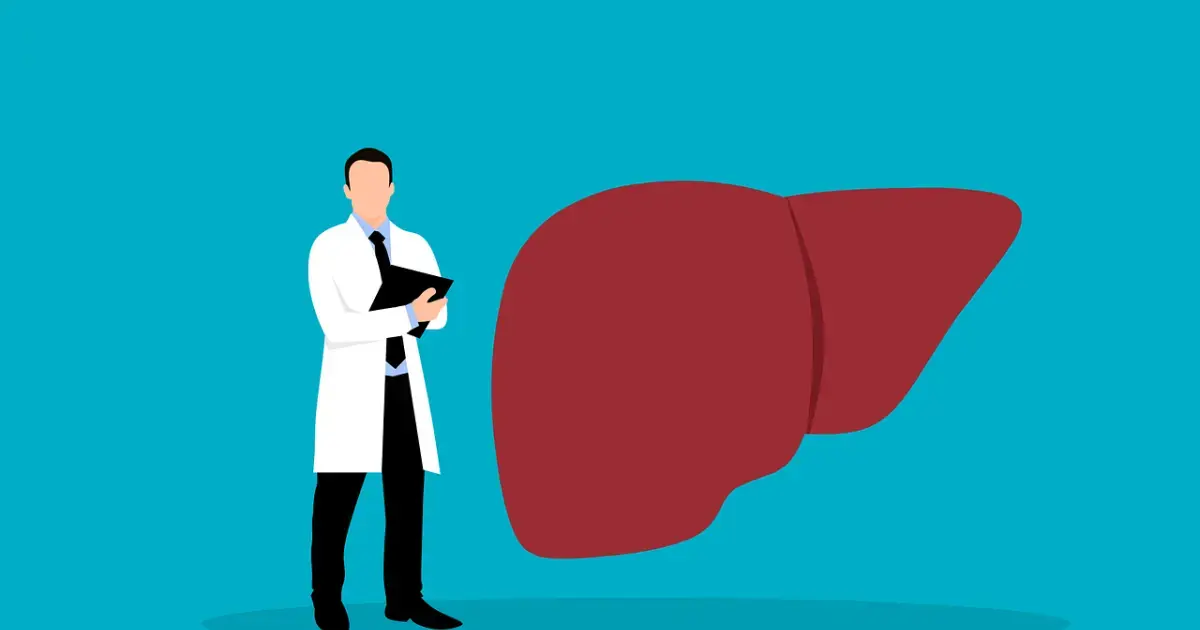
 Heavy meals, overeating, and are common culprits behind many people’s discomfort at the start of the new year. Excess fats and alcoholic beverages during festive gatherings put a significant strain on the , pushing it to operate at its limits and increasing the risk of fatty liver disease. While a complete renewal of the cells in this natural filter, which neutralizes harmful substances, may take over a year, noticeable improvements in health can be achieved in just a few weeks—if you know how to support your liver after the holidays.
Symptoms of Liver Problems
It’s important to remember that issues may not manifest immediately—they can accumulate without drawing attention. Therefore, it’s crucial to respond to any signs that your liver needs help. Warning signs include , digestive issues, skin changes, pain, and discomfort.
What may indicate changes in liver condition:
- pain, heaviness, or bloating in the right upper abdomen;
- muscle and joint pain;
- fever;
- persistent fatigue, decreased performance, weakness;
- loss of appetite;
- weight loss;
- bitterness or unpleasant taste in the mouth;
- nausea and vomiting;
- bloating and abdominal distension;
- diarrhea or constipation;
- dark urine and pale stools;
- yellowing of the whites of the eyes, skin, and mucous membranes (jaundice);
- redness of the palms;
- rashes and pigmentation spots on the skin;
- easy bruising due to impaired blood clotting;
- swelling of the legs and ankles;
- fluid accumulation in the abdomen (ascites).
If your liver is signaling distress for an extended period, it’s essential to consult a family doctor and a hepatologist for diagnosis. Early detection and treatment of issues can prevent complications.

Liver Cleansing
To avoid fatty liver disease, it’s necessary to change unhealthy eating habits and lifestyle, as our largest gland, which performs over five hundred functions—including metabolism, converting carbohydrates and proteins into fats, hormone synthesis, bile production, vitamin synthesis, glucose regulation, nutrient storage, blood filtration, and detoxification (transforming toxins into safe compounds for elimination)—suffers from them. Therefore, after prolonged celebrations, it’s crucial to help our resilient “filter” recover, which cleanses the body and maintains chemical balance. Unlike medications, natural methods of liver cleansing are accessible to everyone. This support becomes especially important after the age of 50.
Adequate Sleep
Lack of sleep negatively impacts liver health, leading to hormonal imbalances and impaired metabolism. A key condition for liver recovery and protection is 7-8 hours of quality each night.
Abstaining from Alcohol
The optimal approach for preventing liver disease is to completely eliminate alcohol for at least a month. During the 4-5 weeks, the liver will focus not on neutralizing toxins but on detoxification and regeneration. Even symbolic doses of alcohol can slow down liver cell recovery.
Increase Water Intake
The daily fluid requirement for liver detoxification is 30-50 ml for each kilogram of body weight. Water is essential for bile production and the elimination of metabolic waste. It’s important to drink evenly throughout the day rather than compensating for a lack of water all at once.
Weight Control
A significant way to maintain liver health is to keep under control: habits of overeating and excess weight contribute to the development of fatty liver disease.

Hepatoprotectors
Another way to protect the liver at home is to take appropriate supplements to improve its function—specifically, products based on milk thistle (a doctor’s approval is necessary, as it can be an allergen). Thanks to a complex of substances with hepatoprotective properties (flavonoids), milk thistle extract positively affects the liver. In particular, silymarin from the thistle protects cells from toxins, alcohol, and medications, reducing inflammation and promoting the recovery of damaged hepatocytes. By increasing glutathione synthesis, silymarin significantly enhances the body’s antioxidant defenses, supports bile production, improves fat digestion, and slows the development of fatty liver disease.
Gentle Diet
for the liver includes whole grains, fish, lean meats, legumes, greens, vegetables, and fruits with a low glycemic index. These foods provide the liver with essential nutrients without overloading it. The best diet for the liver is the Mediterranean style of eating. Foods to avoid for liver health include smoked and fried items. Industrial semi-finished products and sweets also place additional strain on this organ and should be strictly limited, at least temporarily.
Beneficial Foods for the Liver
Instead, it’s worth incorporating liver-supporting foods into your diet—everything that aids liver detoxification and natural cleansing. Here are some foods that help restore the liver: garlic, , turmeric (which supports detoxification enzymes); broccoli, cabbage, and cauliflower (which stimulate the production of the key antioxidant glutathione); nuts (this calorie-dense food paradoxically cleanses the liver of fat deposits); green tea (1-3 cups of unsweetened tea daily provide the body with polyphenols); (which promote bile flow) and other fruits. These liver-supporting foods are especially important in the first weeks after the holidays when the organ needs extra support. Knowing how to help the liver after the holidays can quickly restore its normal function and prevent the development of fatty liver disease.

Natural Ways to Cleanse the Liver
This is the only organ in our body capable of self-renewal even after significant damage. However, when a large number of cells die simultaneously or when exposed to a negative factor for an extended period, scar tissue forms instead of renewed and healthy cells. Scar tissue significantly impairs the organ’s functionality, leading to liver failure. This means that the liver cannot be subjected to harmful loads without breaks for cleansing and therapy, as the gland’s resources are not infinite. Let’s start with home beverages—they are an accessible means to keep the liver healthy.
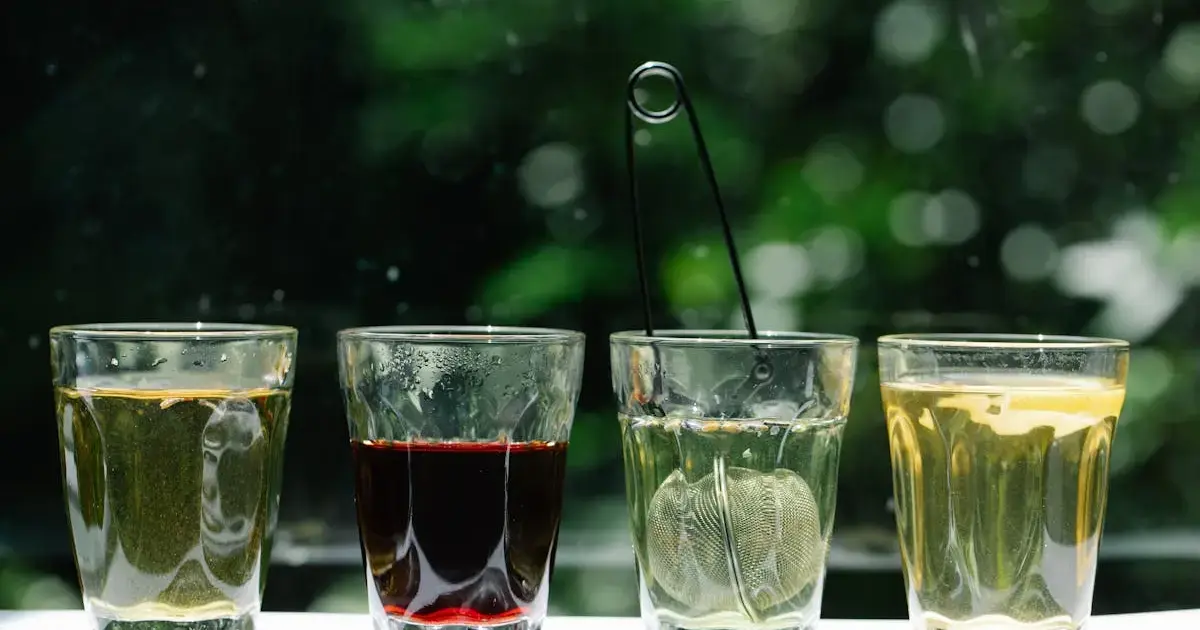
Ginger and Mint Tea
Simply boil a piece of fresh ginger with a few mint leaves in water for five minutes, strain, and drink the anti-inflammatory warm. This drink has antioxidant and detoxifying properties. It is a powerful remedy for cleansing the liver. It improves circulation, regulates blood sugar levels, lowers cholesterol, and aids in weight loss.
Coconut Water
This next drink helps flush toxins from the kidneys due to its diuretic effect, which can help combat what harms the liver. However, this remedy should be avoided if you have kidney disease or gastrointestinal issues. Fresh coconut water or unsweetened packaged coconut water contains antioxidants and potassium, helping to restore electrolytes lost through physical activity, lower blood sugar levels, prevent kidney stone formation, and support heart and liver health.
Turmeric and Lemon Water
For liver recovery after age 50, vitamin C-rich lemon water is effective for hydration and detoxifying the body. To prepare the drink, simply squeeze a quarter of a lemon into a glass of warm water, add a pinch of spice, and mix. Turmeric, beneficial for liver health in older age, enhances the drink’s effects, which is also good for the brain and heart. This drink reduces inflammation, prevents cancer, and protects against .
Beneficial Fruits for the Liver
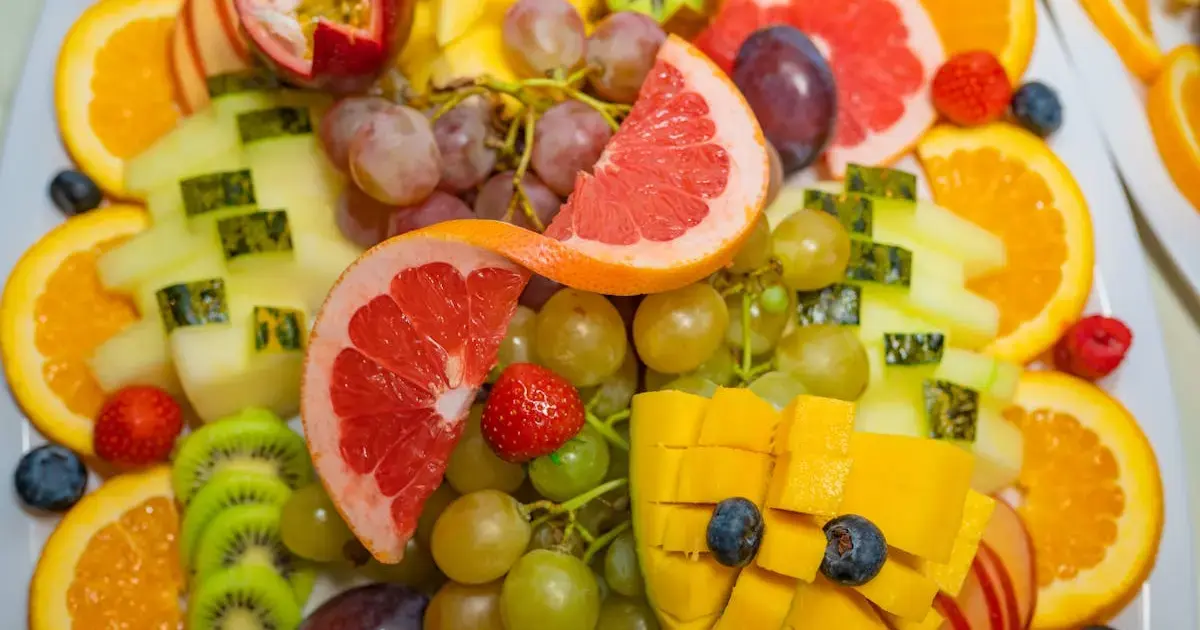
Detoxifying with fruits is perhaps the tastiest option for cleansing the liver using natural methods.
Lemon
This “factory” for producing vitamin C and antioxidants stimulates liver enzyme production and supports detoxification. Additionally, lemon promotes bile synthesis, helping the liver process toxins more effectively and eliminate waste products.
Grapefruit
This citrus is also rich in vitamin C, which boosts immunity, and antioxidants (specifically, the flavonoid naringenin), which protect the liver from damage.
Apple
This source of pectin (a type of fiber) aids in the elimination of toxins from the body and reduces the burden on the detoxifying organ. The high water content in liver-friendly fruits enhances the gland’s natural cleansing properties, helping to keep it hydrated.
Grapes
The polyphenolic compound proanthocyanidin found in the skin and seeds of the “wine berry” reliably protects the liver from oxidative stress and tissue damage. Additionally, red and dark are a source of resveratrol, which protects liver cells from inflammation.
Blueberries
Regular consumption of this forest berry also protects liver cells and improves its function. This beneficial effect is due to the powerful antioxidant properties of the healing , which contains anthocyanins—compounds that reduce oxidative stress in the liver and combat inflammation.
The Best Fruit for Cleansing the Liver
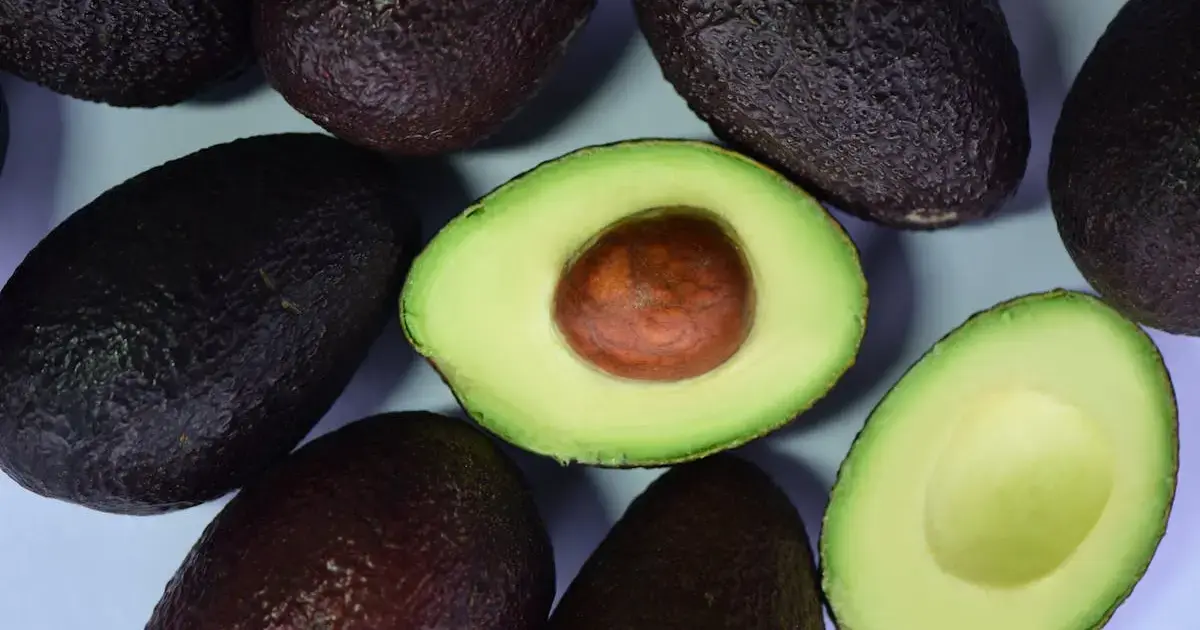
Finally, the top contender for the most beneficial fruit for the liver, which can be considered its unparalleled savior, is avocado. Researchers have found that despite its fat content, this fruit meets all the criteria for foods that prevent fatty liver disease and can be regarded as the most effective tool for its recovery, as it contains antioxidants, anti-inflammatory compounds, and healthy fats.
is rich in antioxidants—vitamins C and E protect liver cells by neutralizing free radicals. Phytosterols and polyphenols in avocados act as natural anti-inflammatory agents (chronic inflammation is the liver’s main enemy), allowing the organ to recover.
Avocado’s monounsaturated fats also combat inflammation and oxidative stress: they reduce these factors, improve metabolism—lowering harmful cholesterol levels, controlling blood sugar, enhancing insulin sensitivity, and strengthening liver cells. At the same time, avocado lowers liver enzyme levels (ALT, AST), which indicate liver overload.
Regular consumption of this trendy fruit is an effective preventive measure against liver diseases, particularly non-alcoholic fatty liver disease. Even after consuming alcohol and , the liver receives protection from avocado: including this fruit in your diet can reduce fat accumulation and prevent the development of fatty liver disease. Avocado can “solve” digestive issues, aiding liver recovery after age 50.
Moreover, avocado can be safely consumed almost without limits—daily. As one of the most beneficial fruits for the liver, it supports effective metabolism and weight control. One avocado a day won’t harm a balanced diet and will help maintain liver health. A safe diet for the liver requires choosing the fruit itself rather than extracts or oils, whose reputations are less clear.
What is Needed for Liver Health in Maturity
Preventing liver diseases primarily involves a healthy lifestyle and rational nutrition. Protecting the liver requires a comprehensive approach that combines proper liver-friendly nutrition, physical activity, and the elimination of harmful habits. It’s essential to consume plenty of whole grain cereals, vegetables, and fruits while limiting sugar and processed foods. To protect the liver, one must refrain from smoking and excessive alcohol consumption. Physical activity, safe sexual practices, hygiene, vaccination against hepatitis, regular medical check-ups, and avoiding self-medication are also crucial for liver health.
Supporting the liver after age 50 requires a comprehensive approach that includes daily mobility, adequate hydration, and proper nutrition. A liver-friendly diet involves limiting alcohol, sweets, fatty, smoked, and fried foods—all of which harm the liver—and consuming products that are gentle on it. Whole grain cereals (fiber, beta-glucans) such as millet, oatmeal, and buckwheat are particularly beneficial for liver detoxification.
Among , turmeric (with anti-inflammatory properties) is a good choice. For vegetables and fruits, prioritize beets (which stimulate bile), broccoli, leafy greens, and avocado (which contains glutathione). Protein sources should include eggs, legumes, nuts, lean fish (omega-3), and lean meats (chicken, turkey). Excess protein can strain the liver, so red meat and processed meats should be permanently excluded from the diet for those over 50.
Beneficial drinks for liver detoxification include those that reduce inflammation and promote natural cleansing: green smoothies, green tea (catechins), chamomile or rosehip infusions, and especially clean water for toxin elimination. Sweet carbonated drinks should not be part of the diet for supporting the liver after age 50. Hepatologists assure that even in mature age, the liver has significant regenerative potential if favorable conditions are created.

Questions and Answers
What are hepatoprotectors and how do they work?
Hepatoprotectors are a group of medications designed to protect the liver (specifically, hepatocyte cells) and restore organ function in cases of steatosis (fatty liver disease), hepatic encephalopathy, hepatitis, cirrhosis, chronic cholecystitis, biliary dyskinesia, and toxic damage (from alcohol or medications). Hepatoprotectors enhance the liver’s resistance to harmful factors, stimulate cell regeneration, and assist in toxin elimination. These medications are available in synthetic compounds (essential phospholipids, ademetionine, or ursodeoxycholic acid) or plant extracts (artichoke, milk thistle, silymarin). The choice of specific hepatoprotectors depends on the diagnosis and requires a qualified medical consultation.
How to maintain liver health?
It’s essential to follow a balanced diet (including vegetables, fruits, whole grains, omega-3, and lean protein), limit unhealthy fats (avoid fast food), alcohol, and sugar. Maintaining a healthy weight, drinking enough water, increasing physical activity (which improves metabolism), regularly consulting with a doctor, avoiding self-medication, and harmful habits (smoking is as toxic as alcohol) are also important. Vaccination against hepatitis may also help protect the liver.
Which local berries cleanse the liver?
Researchers have found that besides grapes and exotic acai berries, raspberries, blackberries, and strawberries can effectively cleanse the liver due to their high antioxidant content.
Frequently Asked Questions
How long does it take to restore the liver?
The first positive changes can be noticed within 2-4 weeks of a healthy lifestyle. Complete renewal of liver cells may take from 6 months to a year.
What are the most beneficial foods for the liver?
Avocado, broccoli, garlic, beets, nuts, whole grain cereals, lean fish, and citrus fruits support liver detoxification and natural regeneration.
How to tell if the liver needs help?
Key symptoms include pain in the right upper abdomen, persistent fatigue, bitterness in the mouth, jaundice, dark urine, and leg swelling.
Can the liver fully recover after alcohol?
Yes, with complete abstinence from alcohol for at least a month and a healthy lifestyle. Recovery of the liver after age 50 takes longer.
What harms the liver the most?
Alcohol, fatty and fried foods, fast food, excessive medications, overeating, and sugary carbonated drinks.
What is the best diet for the liver?
The Mediterranean diet, which includes whole grains, vegetables, fruits, fish, and limits fats and sugar.
How much water should be consumed for liver health?
30-50 ml for each kilogram of body weight daily, evenly throughout the day.
Are hepatoprotectors necessary for liver protection?
They can help, but a doctor should prescribe them. Proper nutrition for the liver is often equally effective.
Photo: pexels.com