
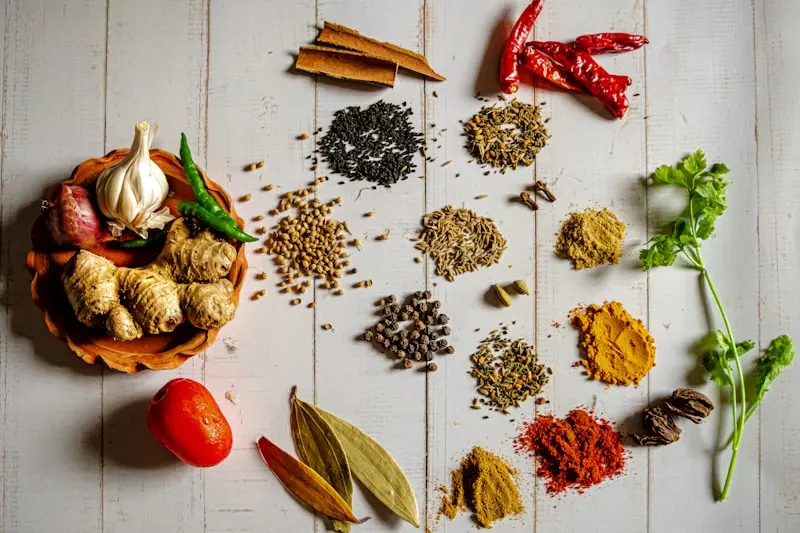
Spices are aromatic ingredients derived from plants, packed with beneficial compounds that support health and the immune system. Beyond health perks, spices add layers of flavor, make food fragrant, and stimulate the appetite. Today, no home cook can do without them. Let’s take a closer look at some popular spices.
Ground Black Pepper
Perhaps the most popular seasoning, ground black pepper is added to meat, fish, pâtés, and sausages. It’s also used to season salads, eggs, cottage cheese, various vegetable dishes, and soups. Typically, ground black pepper is added at the end of cooking.
Whole Black Pepper
Whole black pepper is another widely used spice. It’s added to soups, broths, sauces, and meat, vegetable, and fish dishes. Whole black pepper is usually added at the beginning of cooking.
White Pepper
White pepper is used in smaller amounts than black pepper. It complements the flavor of white sauces, cheeses, boiled meat, and fish beautifully. It enhances the taste of soups, salads, vegetable dishes, eggs, as well as pastries and juices. Like black pepper, white pepper is added at the end of cooking.
Red Pepper
Red pepper is known for its ability to boost the immune system and aid digestion. It is a staple spice in Hungarian, Mexican, and Indian cuisines. It’s used in meat, fish, and poultry dishes, as well as in soups, vegetable dishes, salads, and cottage cheese. Red pepper can also be used to color sauces and dishes made with eggs, rice, and poultry.
Allspice
Allspice has an aroma that blends notes of pepper, cloves, cinnamon, and nutmeg. It has dietary benefits and stimulates the appetite. It’s used to season meat, fish, soups, sauces, marinades, and pickles.
Chili
Chili is used to spice up meat dishes, hot sauces, and vegetable dishes, as well as goulash, poultry, fish, and seafood. Chili is among the hottest spices used in cooking and is a hallmark of Mexican cuisine.
Curry
Curry is most often used to enhance the flavor of meat dishes—whether made with poultry, pork, or lamb—as well as vegetable dishes, rice, and sauces. The curry blend typically includes turmeric, fenugreek, coriander, nutmeg, black pepper, chili, garlic, cardamom, cloves, cumin, cinnamon, ginger, monosodium glutamate (a flavor enhancer), and salt.
Cinnamon
Cinnamon is used to season fruit soups, compotes, jellies, creams, pastries, cottage cheese, puddings, and dairy drinks. It’s an essential addition to sweet rice dishes, baked apples, mulled wine, and punch. In small amounts, cinnamon is also used to season goulash, lamb dishes, boiled fish, and ham. It’s added to dishes a few minutes before cooking is complete.
Khmeli-Suneli
Khmeli-suneli is used in the preparation of meat and vegetable dishes. This spice blend typically includes coriander, basil, savory, marjoram, hot red pepper, bay leaf, dried aromatics such as garlic, parsley, celery leaves, and onions, and salt.
Marjoram
Marjoram is native to Mediterranean countries. It’s used in making homemade sausages, meat dishes, sauces, various fillings, pâtés, vegetables, and soups, as well as mushroom dishes. Marjoram is often combined with thyme, enhancing the flavor of dishes and allowing for reduced salt usage. It’s used differently depending on the dish: for meat and sausage, it’s added before frying or boiling, while for other dishes, it’s added at the end of cooking.
Oregano
Oregano is a key spice in Italian, Spanish, and Mexican cuisines. It’s added to vegetables, cottage cheese, fish, and crab dishes. It’s also used in meat dishes, sauces, and hearty soups. Oregano is a primary seasoning for pizza and spaghetti and pairs wonderfully with basil, marjoram, thyme, and pepper.
Basil
Basil is one of the most popular spices in Italian cuisine. It’s used for all kinds of vegetables, particularly in salads and dishes featuring tomatoes, cabbage, spinach, beans, and peas. Basil is a fantastic spice for soups, fish dishes, poultry, pork, salads, cottage cheese, eggs, omelets, crab salads, and green sauces. It pairs well with garlic and, with rosemary, can serve as a good salt substitute. Basil should be added to dishes at the end of cooking.
Bay Leaf
Bay leaves are widely used in cooking. They enhance the flavor of soups, meat dishes, sauces, goulash, boiled fish, mushrooms, and dishes made with crayfish and crabs. Bay leaves are an essential seasoning for pickling vegetables. Bay leaf can soften the taste of very salty dishes, stimulate the appetite, and aid digestion. Bay leaves are typically used whole, though sometimes they are ground into powder.
Ginger
Ginger is added to dough, puddings, compotes, cucumbers, marmalade, jellies, and fruits. It imparts a subtle flavor to various meat soups, vegetable soups, fruit soups, sauces, game dishes, and all types of rice dishes. Ginger is also added to cheeses, meat, fish, and vegetables, often together with salt.
Cardamom
Cardamom adds a unique flavor to cookies, various pies, gingerbread, pastries, compotes, and fruit dishes. It can also be added to coffee. Cardamom enhances the flavor of soups, sauces, gravies, fish and meat dishes, pilafs, and pâtés. It’s also used in sausages and ham.
Coriander
Coriander is a very popular spice worldwide. It boosts liver function and improves appetite. Coriander is used both as a spice and brewed as a tea. It’s added during canning and also used in baking.
Thyme
Thyme is used when pickling cucumbers and tomatoes, along with dill, and is great for potato and tomato salads, soups, borscht, and cabbage soup. Thyme pairs wonderfully with stewed meat, especially lamb, steaks, rice, and pasta, as well as egg and chicken dishes. As a spice, thyme is mainly used dried.