
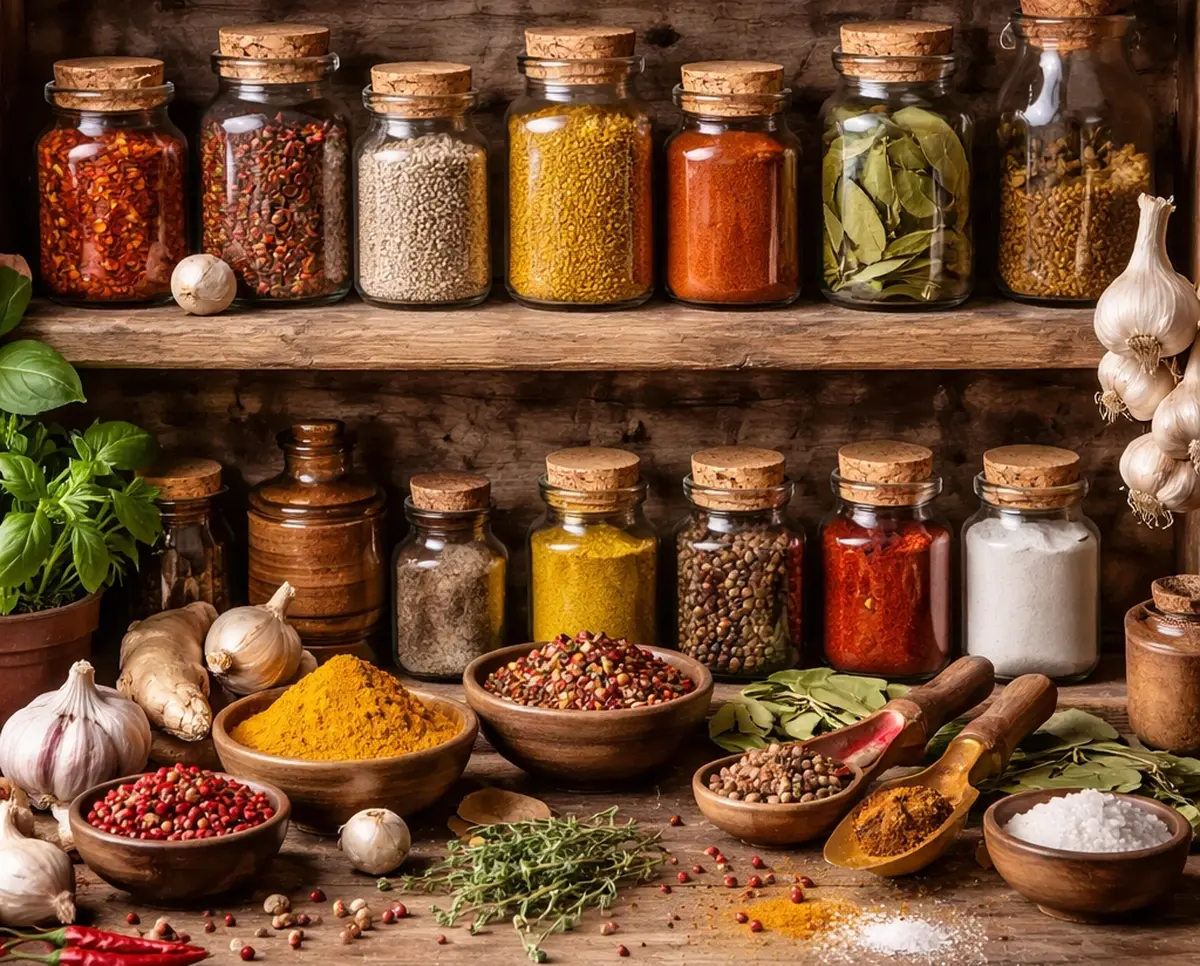
 Basic spices for the kitchen are seeds, bark, or roots that enhance or even define the flavor and aroma of food. A well-thought-out combination of spices with dishes and beverages adds the necessary sharpness, acidity, bitterness, astringency, or sweetness to the ingredients. The knowledge of how to use spices greatly influences the impression of a dish and the assessment of a chef’s skill. To avoid ruining a culinary ensemble, one must understand the harmony of aromas and flavors, be familiar with types of spices, know their usage characteristics, and learn the rules for storing them.
Flavors and Trade
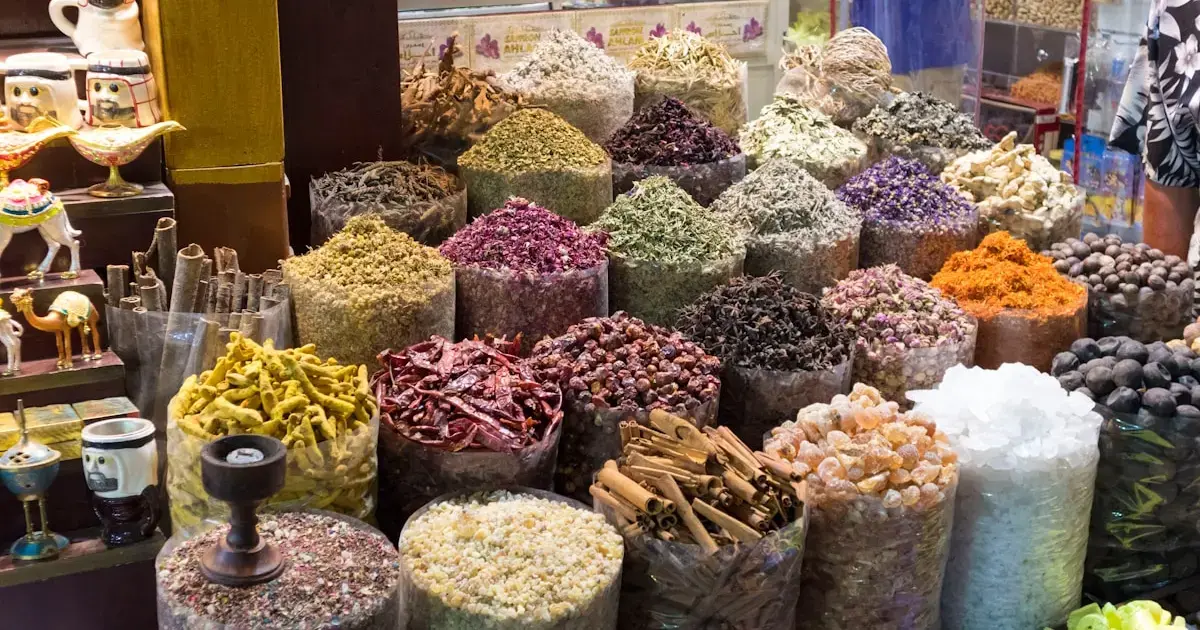
In ancient times, spices played a more significant role than they do today. They were valued for their healing properties, elevated to the status of magical amulets, and used in ritual ceremonies. A tradition of revering spices emerged in the East, from where they spread across the world with the development of seafaring and trade. It is known that black pepper was the first spice brought to Europe from India, and for a long time it was considered an exotic wonder. Initially, spices were worth their weight in gold—they were very expensive, and dishes were often over-seasoned because spices were seen as a symbol of wealth and prosperity.
As a result of the Crusades, the supply of spices increased and their prices gradually fell. When Venice gained an almost complete monopoly over the spice trade, the search for alternative supplies prompted explorers to equip numerous expeditions to chart new routes to the East. The cost of spices decreased as Dutch and British companies gained control over their delivery to Europe. The reduction in prices for previously inaccessible spices (due to the complexity of hand harvesting and limited extraction, only saffron remained expensive) dispelled the myth of their magical properties. For a time, spices even lost their former popularity.
Rules for Using Spices
However, globalization revived interest in spices, thanks to the growing popularity of Eastern cuisine and the emergence of so-called “fusion cuisine”—a style of cooking based on blending culinary traditions. Preparing delicious dishes relies on knowing how to properly add spices to food. Chefs follow several practical rules.
- Grind spices before cooking to preserve their aroma. The method of grinding can vary: use a grinder, blender, coffee grinder, mortar and pestle, or makeshift tools (rolling pin, hammer, or knife).
- For better release of essential oils, quickly toast whole spices in a dry skillet beforehand. However, heat whole spices in a dry pan only if you will use them immediately and not for prolonged cooking (for example, for mulled wine). For long cooking times, add spices toward the end of cooking (some spices can be added whole at the beginning—like a cinnamon stick or star anise), because their aromatic molecules evaporate quickly when exposed to heat: while heating spices releases a vibrant aroma, prolonged heat causes them to lose it.
- Aromatic molecules in spices are primarily fat-soluble, so heating spices in the fat used for cooking will yield better results than toasting them dry.
- For preserves with pickled vegetables and fruits, use whole spices—when in prolonged contact with the product they will impart aroma without spoiling the appearance of the pickles, as a clear brine looks more aesthetically pleasing.
- Add whole spices at the beginning or during the cooking process, while ground spices should be added at the end, because ground spices impart flavor quickly but it dissipates faster. The use of spices makes dishes more appealing, which is especially important for forming healthy eating habits.
How to Grind Spices and Store Them?
The best method of grinding spices depends on their type.
- Spice grinder: the most suitable method for grinding coriander, black pepper, and salt.
- Blender: good for grinding a moderate amount of spices; use short pulses (3–5 seconds) to avoid overheating.
- Coffee grinder: quickly turns hard spices into powder, but keep separate devices for coffee beans and spices to avoid spoiling the taste of coffee.
- Mortar and pestle: ideal for grinding fresh herbs and seeds (cumin or cardamom).
- Knife or rolling pin: place spices on a cutting board and roll with a rolling pin or crush with a knife.
- Hammer and bag: place spices in a bag and crush with a kitchen hammer or another heavy object.
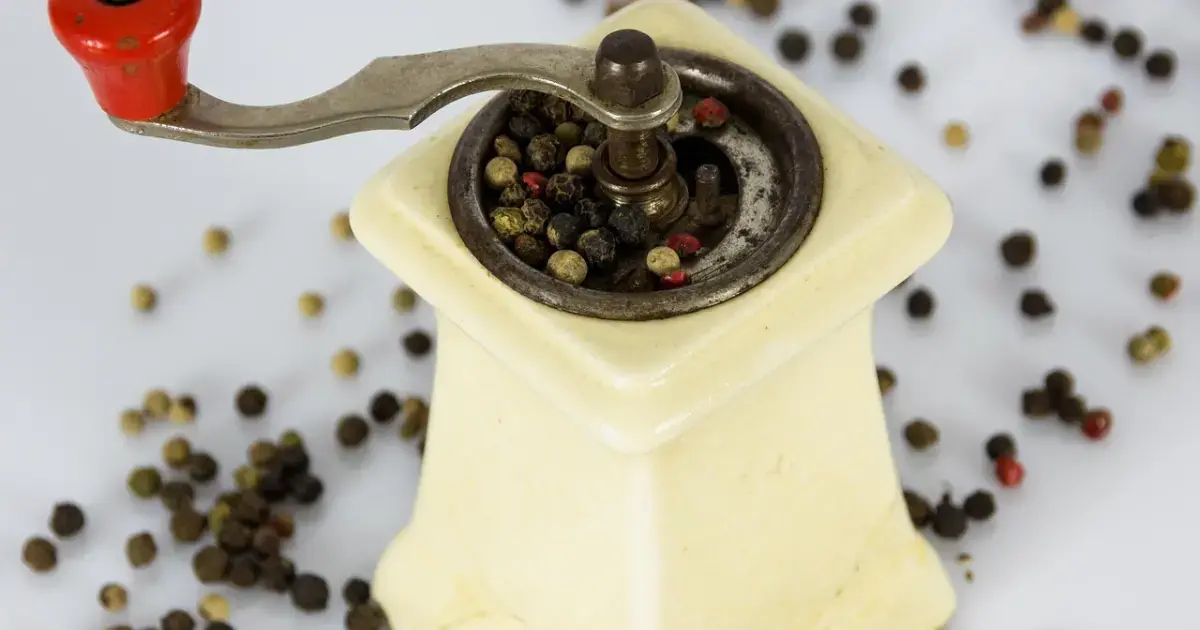
Buy and store spices in whole form and grind them yourself, because the aroma of spices quickly fades and ground spices lose their aroma even faster. Store ground spices in opaque, airtight containers away from heat sources. The ideal storage conditions are a dry, dark, and cool place without sharp temperature fluctuations. Jars with tight lids are most suitable. Ground spices should not be kept for longer than six months. The shelf life of whole spices can be longer—rely on their aroma: if the scent of a ground spice is unappealing, it’s time to dispose of it.
Health Benefits of Spices
Black pepper, ginger, rosemary, cardamom, turmeric, and cinnamon are spices that support health. Spices enhance the body’s antioxidant status, reduce inflammatory processes, and strengthen the immune system. It is important to understand the difference between natural spices and artificial flavorings, which are often used in ready-made products to enhance flavor.
Black Pepper
The “king of spices” has been used for millennia as a remedy for stomach issues, diarrhea, and asthma. The ancient Greek physician Dioscorides prescribed this spice as an antipyretic, diuretic, and cold remedy. The essential oils and alkaloids in this seasoning activate digestive tract function, enhance nutrient absorption, suppress inflammatory processes, and have shown anti-cancer effects. Piperine, which gives black pepper its heat, also supports brain health.
Turmeric
In Indian folk medicine, the “golden spice” has been used for centuries to treat liver problems, colds, wounds, and infections. The antioxidant curcumin in this spice has powerful anti-inflammatory properties. Modern studies compare turmeric’s pain-relieving capabilities to those of ibuprofen and diclofenac, with the advantage of being a natural option. For better absorption, consume curcumin with black pepper.
Cardamom
Since ancient Egypt, cardamom powder has been used to treat lung issues and digestive problems. From an Ayurvedic perspective, cardamom enhances vitality and mental resilience. The health properties of this spice include supporting the immune system and helping prevent fatty liver disease.
Garlic
Garlic has long been considered a protective charm against evil spirits: its complex biochemistry raises antioxidant levels in the body, resulting in anti-inflammatory and immune-stimulating effects. Since the times of Kievan Rus, garlic has been used to treat gum inflammation, toothaches, and colds.
Rosemary
This Mediterranean herb has traditionally been used to treat gum disease and is also applied for atopic dermatitis, osteoarthritis, and asthma.
Ginger
Ginger helps disinfect food and is used to treat infectious diseases, colds, migraines, nausea, and arthritis.
Cinnamon
This natural remedy for inflammation and oxidative stress helps improve mood. However, coumarin in cinnamon can negatively affect liver health and raise blood pressure if consumed in amounts exceeding about a teaspoon per day.
Many herbs that are now used as spices once served as medicine, so it is justified that they play a significant role not only in creating flavor in dishes but also in everyday well-being—although spices are not major components of the modern diet.
How Much Spice to Add to a Dish
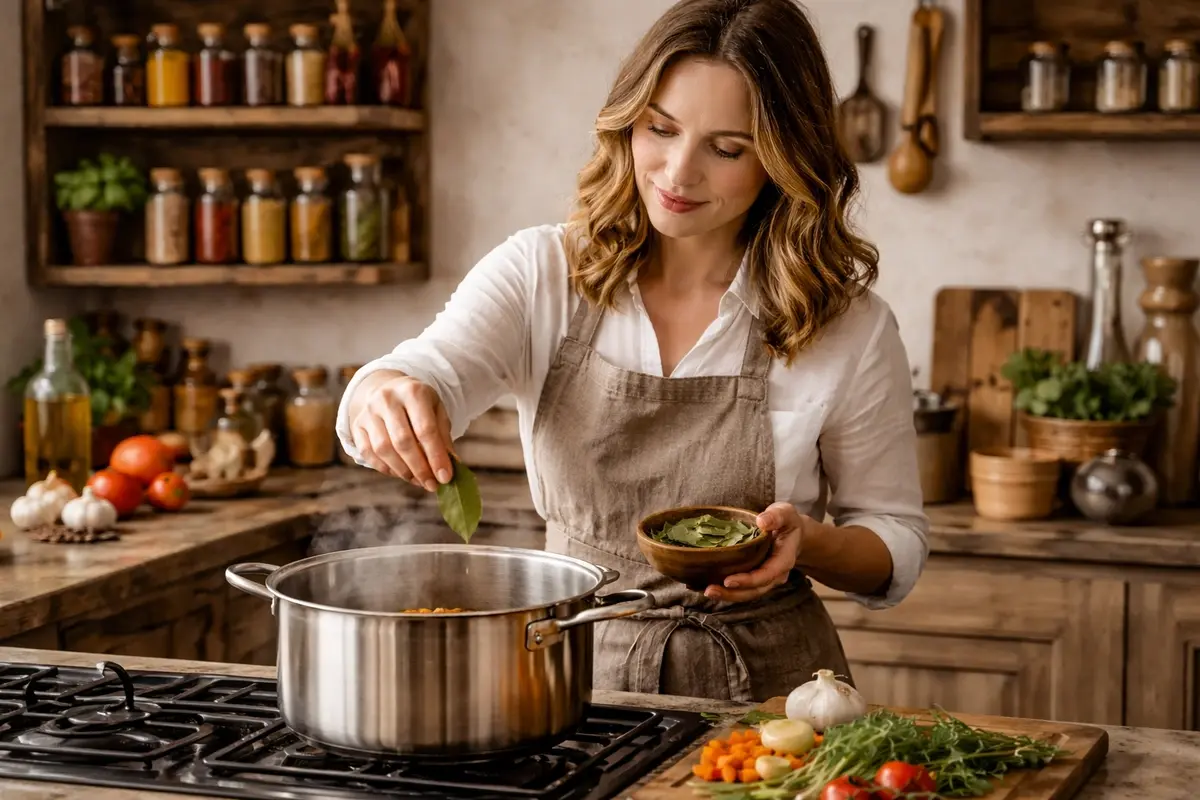
Experts recommend using spices in small amounts to avoid overpowering the taste and overshadowing the natural aroma of the dish’s ingredients. The success of creating a culinary masterpiece often depends on the correct dosage of spices rather than the complexity of the recipe. The secret to the difference in taste between identical dishes prepared by two cooks lies in the sense of balance and proportions of seasonings. Mistakes in using spices often come from ignoring the basic principles of dosage.
Factors Affecting the Amount of Spices:
- The volume of the dish (the larger the amount of food, the more spices will be needed);
- The cooking time (the longer a dish cooks, the more pronounced the aromas become);
- The freshness of the seasonings (fresh spices require less because they have a more intense aroma and flavor);
- The type of dish (different ingredients require different amounts of spices).
The golden rule for cooks is: it’s better to under-season than to over-season. There’s a saying: under-seasoning can be fixed, while over-seasoning ruins the dish. Start by adding a quarter teaspoon for every 500 grams of ingredients and continue adding pinches until you reach the desired result. Also note that different types of spices require different approaches to dosage.
Ground Spices or Powders
Remember that nutmeg, cinnamon, and turmeric have concentrated flavors and therefore require smaller amounts. Craft spices, especially smoked seasonings, are usually very intense, so use them sparingly.
- Ground spices for baking: 1/8–1/4 teaspoon per 250 grams of dough.
- Ground spices for soups and sauces: 1/4–1 1/2 teaspoons per liter.
- Ground spices for meat: 1/2–1 teaspoon per 500 grams of ingredients.
Leafy Spices and Dried Herbs
Dried spices (oregano, thyme, rosemary, Mediterranean blends) have a delicate aroma that can easily be overpowered by other ingredients. Adhere to recommended proportions when adding them to dishes:
- Dried herbs for soups and sauces: 1–2 teaspoons per liter;
- Leafy spices for meat: 1–2 teaspoons per 500 grams;
- Dried leafy spices for vegetable dishes and salads: 1/2–1 teaspoon per serving.
To better release their aroma, add dried herbs at the beginning of cooking, while fresh herbs should be added at the end.
Hot Spices and Blends
Be cautious with hot seasonings when aiming for a desired level of heat and aroma. Add hot spices at the beginning of cooking to ensure they are evenly distributed among all ingredients. Start with a pinch (the tip of a knife) and gradually increase the amount, tasting the dish and remembering that heat often intensifies over time. Neutralize excessive heat by adding something fatty (yogurt, cream, or coconut milk) or something sweet (honey).
How to Enhance a Dish’s Flavor with Spices?
Different types of dishes have their own recommendations. For instance, vegetable dishes typically require more spices to achieve a vibrant flavor than meat dishes, and for marinating meat the amount of spices can be doubled, since part of the flavor and aroma will remain in the marinade. Manufacturers offer specially curated spice blends for meat or plant-based dishes, considering which spices pair well with meat and vegan products—especially smoked seasonings for patties and steaks.
Dosage of Spices for Different Types of Meat and Fish:
- Beef – 1–2 teaspoons of spice blend per 500 grams of product;
- Pork – 1–1.5 teaspoons of spice blend per 500 grams of meat;
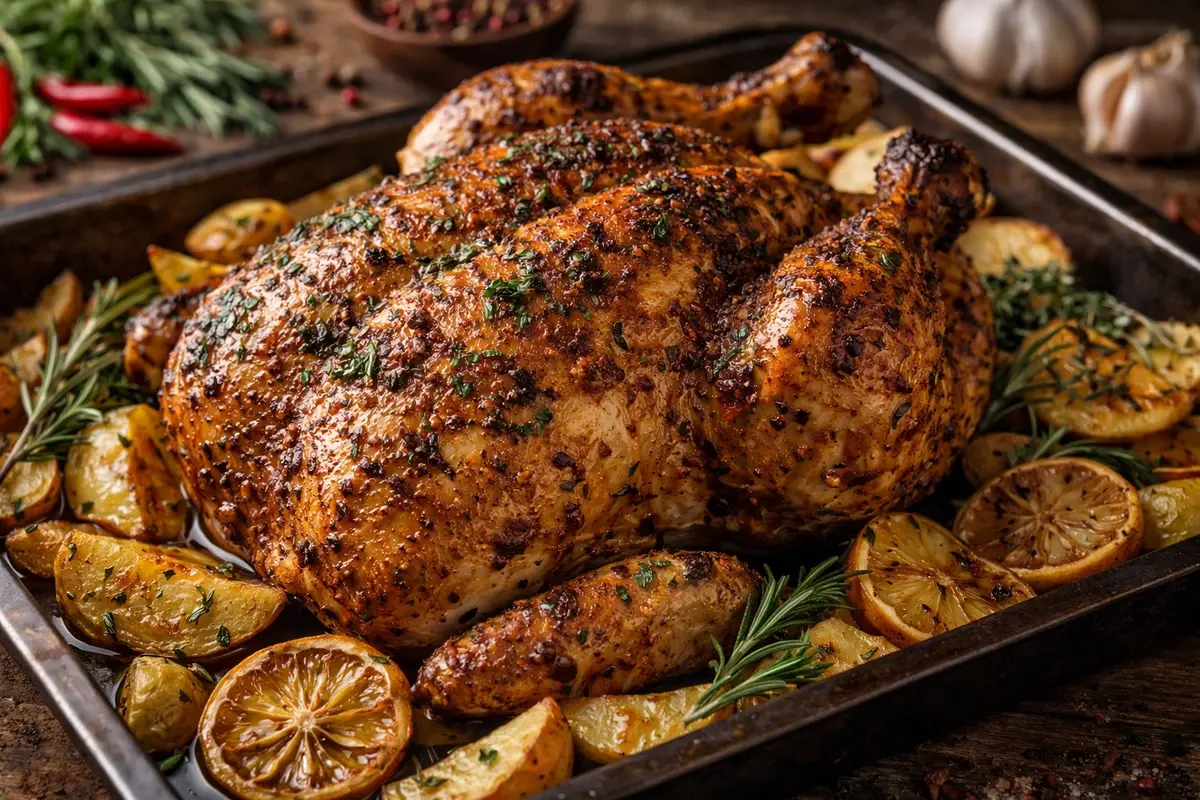
- Chicken – 1 teaspoon of spice blend per 500 grams;
- Fish – 1/2–1 teaspoon of spice blend per 500 grams.
Using spices is one of the simplest ways to flavor food without excessive use of salt and sugar.
Dosage of Spices for Vegetarian Dishes:
- Soy products – 1–1.5 teaspoons of spice blend per 300 grams;
- Legumes – 1.5–2 teaspoons of spice blend per 400 grams of dry ingredient;
- Stewed vegetables – 1–2 teaspoons of spice blend per 500 grams;
- Leafy greens pair wonderfully with nutmeg, garlic, and black pepper.
Culinary Techniques:
- Layered addition of spices (to create depth of flavor, add some spices at the beginning of cooking, some in the middle, and others at the end);
- The “awakening” method (lightly toast spices in a dry skillet to release their flavor and aroma);
- Maintain a balance of flavors (spices should balance salty, sweet, sour, bitter, and umami—the so-called “fifth taste”—a rich, meaty, broth-like savoriness often achieved by glutamate and other amino acids);
- Finishing touch (for a bright final accent, add a pinch of spice just before serving—such as smoked sea salt);
- Personalization (experiment with dosages to match personal taste preferences).
When you lack experience in enhancing a dish’s flavor with spices, adhere to basic principles and develop “culinary intuition” over time.
Rules for Combining Spices
There are specific harmonious combinations that are already reflected in popular spice blends.
Branded Blends:
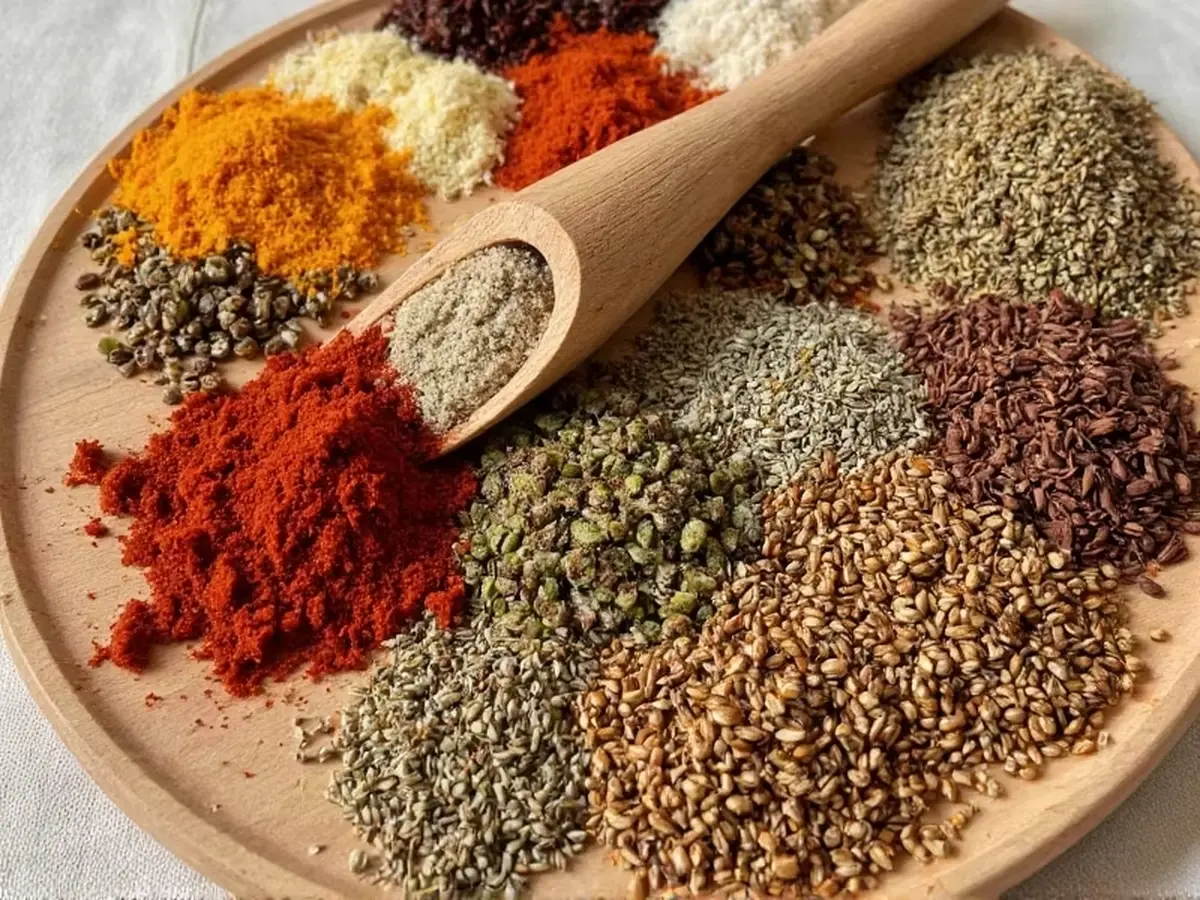
- The American “Cajun spice blend” is a stable combination from Cajun cuisine—paprika, salt, black pepper, cumin, coriander, and dried oregano (sometimes dried onion, thyme, and basil are added);
- The Indian “curry” blend often contains ground ginger, ground chili pepper, black pepper, coriander, fenugreek, turmeric, and mustard seeds;
- Garam masala includes black pepper, coriander, cloves, cinnamon, and cumin (sometimes bay leaf, cardamom, and nutmeg are also included);
- The French blend “quatre épices” (4 spices) consists of nutmeg, ground ginger, cloves, and white pepper;
- The Chinese “five spices” blend consists of cassia (Chinese cinnamon), Sichuan pepper, star anise, fennel seeds, and cloves (variations include ginger or cardamom);
- The Arabic blend za’atar consists of toasted sesame seeds, sumac, cumin, and dried marjoram (sometimes oregano and thyme);
- The Arabic blend ras el hanout can include fennel seeds, cinnamon, cloves, nutmeg, mace, ginger, cardamom, black pepper, allspice, turmeric, nigella, lavender, and more.
Combining Spices with Dishes and Each Other
Here are examples of harmonious flavor combinations of spices with other spices and ingredients.
- Anise – pairs with ginger, cinnamon, cloves, vanilla, cardamom, cumin, allspice; pairs well with coffee, lemon, apples, bread, cabbage, carrots, duck, pork, and fish.
- Barberry – pairs with ginger, turmeric, cumin, saffron, chili, and paprika; pairs well with game, lamb, beef, veal, duck, and pilaf.
- Vanilla – pairs with nutmeg, chili, cardamom, coriander, cinnamon, cumin, cloves, allspice, and ginger; pairs well with oranges, cherries, pears, lime, plums, barberry, chocolate, milk, duck, chicken, beef, pork, and fish.
- White pepper – pairs with ginger, cloves, and nutmeg; pairs well with chicken, fish, and sauces.
- Allspice – pairs with star anise, ginger, cloves, coriander, cinnamon, bay leaf, nutmeg, thyme, rosemary, chili, and black pepper; pairs well with mushrooms, chicken, rabbit, game, beef, pork, herring, cabbage, garlic, fruits, and spicy baked goods.
- Cloves – pair with star anise, allspice, nutmeg, ginger, cardamom, cinnamon, Sichuan pepper, and chili; pair well with sausages, chicken, duck, pork, garlic, onion, apples, honey, and chocolate.
- Mustard seeds – pair with tarragon, bay leaf, mint, curry, coriander, turmeric, cumin, dill, parsley, chili, black pepper, and fennel; pair well with wine vinegar, apple cider vinegar, mushrooms, potatoes, onions, cucumbers, lemon, eggs, salmon, chicken, rabbit, beef, lamb, and pork.
- Cardamom – pairs with anise, star anise, vanilla, cloves, ginger, coriander, cinnamon, cumin, and saffron; pairs well with apricots, oranges, bananas, pears, figs, grapefruit, dates, pistachios, coffee, black tea, yogurt, baked goods, rice, salmon, duck, chicken, lamb, and pork.
- Coriander (cilantro seeds) – pairs with anise, mustard, basil, cloves, cinnamon, mint, nutmeg, turmeric, sesame, cumin, fennel, allspice, cayenne pepper, and black pepper; pairs well with lemon, orange, potatoes, tomatoes, onions, garlic, eggs, spinach, mushrooms, coconut milk, lentils, chicken, turkey, lamb, pork, salmon, and other fish.
If you are interested in Mediterranean and European spices, learn more about their culinary applications.
So, may this knowledge help home cooks create delicious, healthy, and harmonious culinary masterpieces!
Frequently Asked Questions
How much spice should be added to a dish?
Typically – 1/4 teaspoon per 500 grams of product, gradually adding to taste. Dried herbs – 1–2 teaspoons per 500 grams of meat or 1 liter of soup.
How to choose spices for dishes?
Dill and tarragon are suitable for fish, paprika, rosemary, or thyme for meat, and vanilla, ginger, and cinnamon for baking.
Which spices are beneficial for digestion?
The most effective are ginger, cinnamon, turmeric, black pepper, mustard, and garlic.
Are there anti-inflammatory spices?
Yes, these include turmeric, ginger, cloves, and cardamom.
Can spices replace salt?
Yes, this is a great strategy for heart health. Using lemon juice, garlic, paprika, and chili allows for reduced salt intake without losing flavor richness.
How to tell if spices are no longer fresh?
Rub a pinch of spice between your fingers: if the aroma is weak and the color is dull, the essential oils have evaporated and the usefulness of such seasoning will be minimal.
Expert’s Word: How to Use Spices Without Harming Your Health
 Natalia Sydorets, gastroenterologist/dietitian
“Spices in daily nutrition serve not only a flavoring role but also a physiological one. In culinary amounts, many spices support digestion: ginger, fennel, cumin, and coriander help reduce bloating and spasms; black pepper and mustard stimulate the production of digestive juices; and ginger has proven effectiveness against nausea.
At the same time, remember that spices are concentrated bioactive substances. Therefore, there are certain limitations:
- For gastrointestinal diseases: people with gastritis, GERD, peptic ulcers, irritable bowel syndrome, as well as during exacerbations of pancreatitis or cholecystitis should limit hot and spicy spices.
- For allergies: use caution with mustard, sesame, and complex spice blends.
- For hypertension: licorice can raise blood pressure.
- When taking medications: consuming supplements with turmeric, ginger, or garlic in large doses can be dangerous alongside blood-thinning medications (anticoagulants).
Regarding healing properties: spices do contain anti-inflammatory and antioxidant compounds, but in the amounts used in dishes they only support physiological processes and do not replace medical treatment. Their benefit lies in regular, moderate use as part of a balanced diet.
”
For more tips from gastroenterologist and dietitian Natalia Sydorets, check out her pages on FB, Instagram.