
To achieve the crispiest and most flavorful sauerkraut, it’s best to choose firm white heads and ferment them during the…
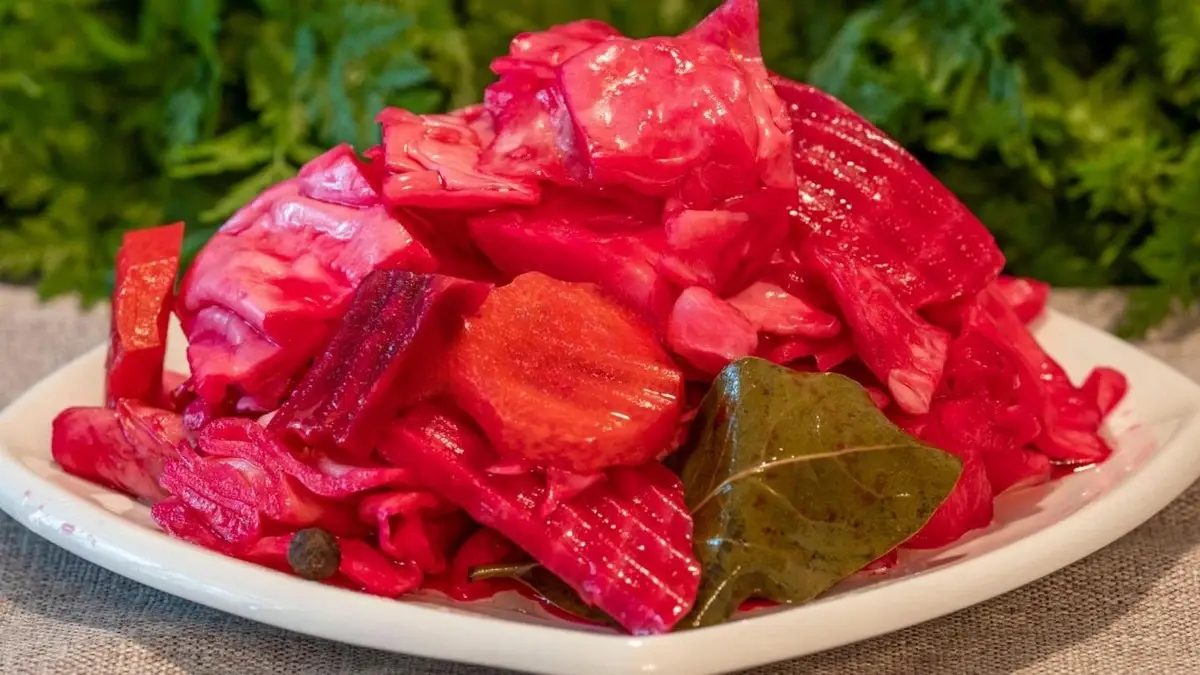
To achieve the crispiest and most flavorful sauerkraut, it’s best to choose firm white heads and ferment them during the…
The distinctive features of apricot wine include its rich yellow color with a possible reddish hue, a delicate fruity aroma, and a smooth taste. Fallen fruits are unsuitable for winemaking…
There’s no universal guideline for fluid intake—everyone has different hydration needs. A basic recommendation is to consume 30 ml of liquid for every kilogram of body weight. On hot days,…
There’s something extraordinary about the cosmic environment that remarkably alters the flavor of miso. Researchers conducted an experiment to prepare the famous Japanese paste simultaneously on Earth and aboard the…
During the fermentation process, homemade vinegar loses its initial sharpness, becomes infused with aromatic spices, and transforms into a delicious dressing for various dishes. Making it yourself is simple—you just…
Can fermented foods really be better than fresh ones? What makes fermented food beneficial for digestion, and how should it be prepared to avoid food poisoning? Rotting or Delicacy? The…
If you spot a glass jar with a slippery jelly-like substance on someone’s windowsill, know that it’s kombucha, also known as tea fungus, a beverage that has been cherished by…
Select small, ripe beets that are vividly colored. Wash and peel them, then place them in a prepared container. Pour a 3% salt solution over the beets and let them…
Remove any damaged or dirty leaves from the dense heads of cabbage and layer them in a barrel between layers of shredded cabbage. Larger heads can be cut into halves…
Select apples of varieties such as Antonovka, Pepin, Anis, and others. Sort through them, wash them, and tightly pack them into a barrel, lining the bottom and sides with washed…
Wash the watermelons and prick them in several places. Pack them tightly into a barrel. Through the spigot hole in the bottom, pour in the brine (50g of salt per…
Start by washing small, ripe eggplants and drying them off, trimming the stems and making a slit through each one with a knife. Boil them in salted water and wait…
It’s hard to imagine organisms smaller than yeast bacteria. There are about 40 billion of them in just one gram! These tiny fungi are essential to cities with millions of…