
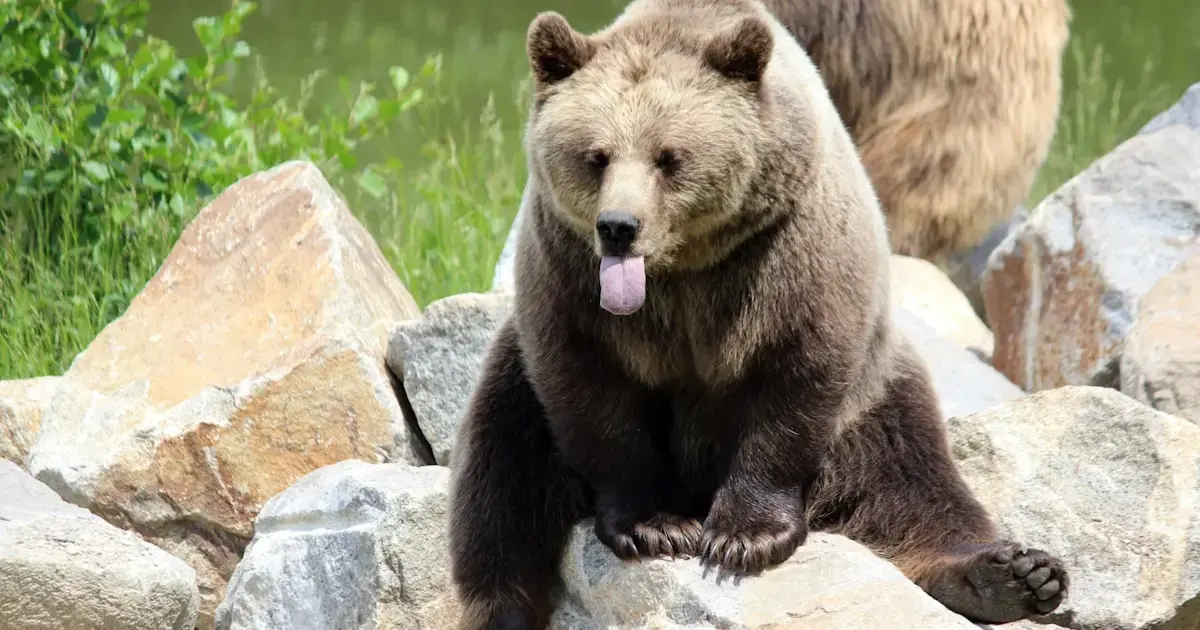
 For most people, estimating a bear’s weight or fur color isn’t a top priority during an unexpected encounter in the woods. However, for ecologists and zoologists, these details are crucial when it comes to species conservation.
To help these scientists easily distinguish one predator from another, a team of researchers from the École Polytechnique Fédérale de Lausanne (EPFL, Switzerland) and Alaska Pacific University (APU, USA) developed PoseSwin—a machine learning model capable of identifying individual bears in a manner similar to human facial-recognition systems.
How does this AI technology work?
The PoseSwin model was trained on over 72,000 images of 109 brown bears. The photos were taken between 2017 and 2022 by APU researcher Beth Rosenberg, who captured the animals during both day and night under various weather conditions, as reported by Popular Science.
Ms. Rosenberg and her colleagues, drawing on their knowledge of brown bear physiology, identified several anatomical features that remain relatively unchanged throughout the animal’s life. These characteristics include the angle of the brow ridge, ear placement, and muzzle shape. The team also considered how bears appear in different poses and from various angles.
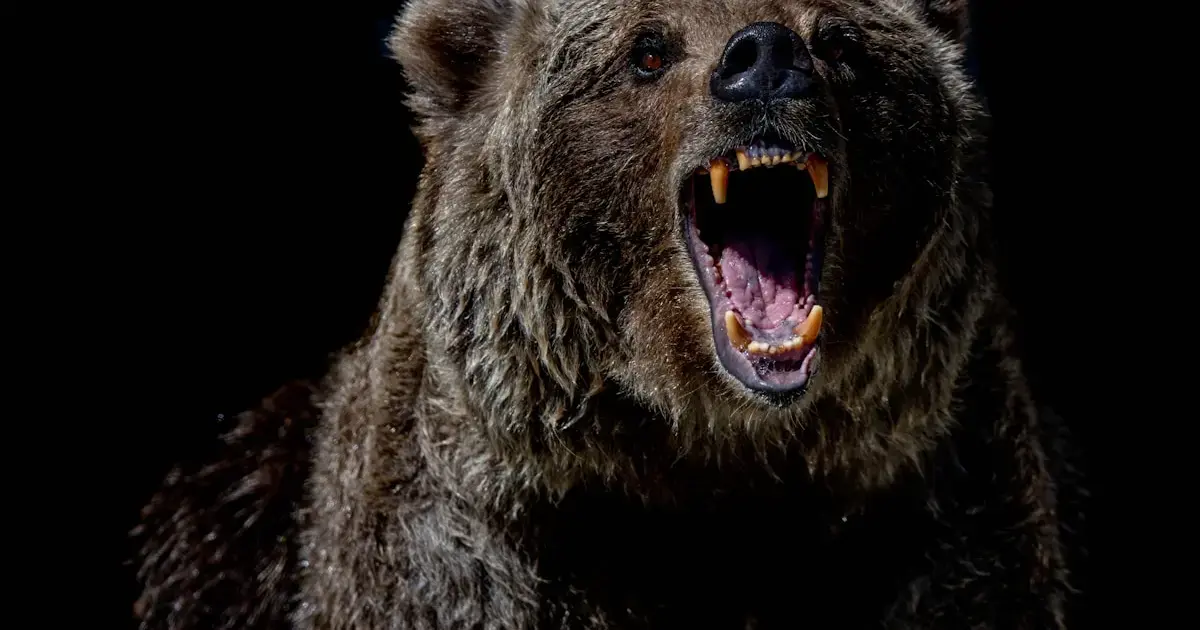
“Our intuition suggested that combining head features and posture would be a more reliable indicator than just body shape, which can vary significantly with weight,” said Alexander Matis, a project researcher at EPFL. He noted that ultimately, “PoseSwin significantly outperformed models that relied solely on body images or ignored posture information.”
During field testing of PoseSwin, the researchers used numerous photos of brown bears taken by visitors to Katmai National Park and Preserve in Alaska, where Fat Bear Week is held periodically. They uploaded the photos into the model, and PoseSwin successfully matched bears in new images to those already in its database.
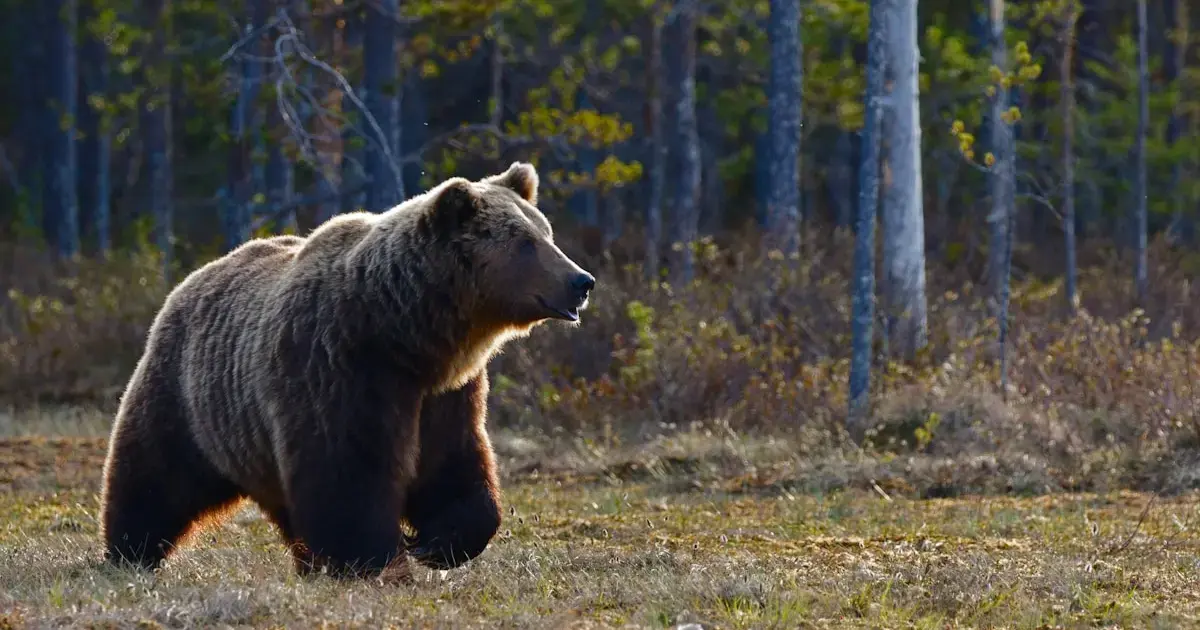
“This technology could be used to analyze thousands of photos taken by visitors each year, as well as to map the movements of brown bears across this vast territory,” Ms. Rosenberg noted.
Currently, her team is using PoseSwin to monitor over 100 bears living around the McNeil River State Game Sanctuary without disrupting their daily lives. Thanks to this AI system, scientists are gaining more accurate information about the health and well-being of these predators, which is vital for species conservation.
PoseSwin’s capabilities likely won’t be limited to bears. Initial comparative tests show that the new model can accurately identify macaques as well. So, it’s possible that its work will soon extend to many other animal species.
The research results were published in the journal Current Biology.
Photo: Unsplash