
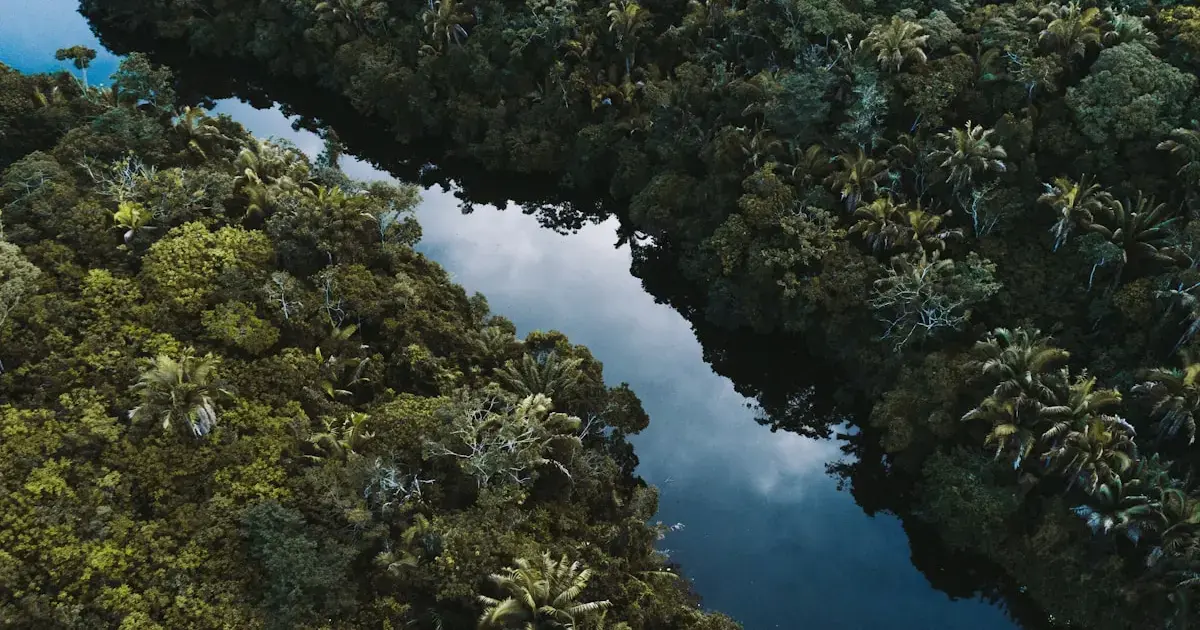
 An international team of scientists from various fields has studied the tropical and concluded that the region is succumbing to a hypertropical climate. Droughts are becoming more frequent, prolonged, and intense, and these climatic conditions currently have no parallels anywhere else in the world.
in the Amazon basin are experiencing entirely new levels of stress. The ability of these tropical jungles to absorb carbon dioxide is decreasing. This climate, which scientists have dubbed “hypertropical,” has not existed on Earth for millions of years.
What Did the Scientists Discover?
Researchers specifically examined how trees and the soil in which they grow respond to periods of high temperatures and drought. The data collected helped scientists understand what the new climatic norm for local forests might look like over the next 100 years.
Models created by the team based on this data indicated that by 2100, extremely hot droughts are likely to become even more common. Moreover, these events will occur year-round—even during the rainy season, which typically lasts from December to May.
It is expected that due to decreasing soil moisture, trees will die more frequently. This will lead to two interconnected problems: hydraulic failure, where air bubbles block the movement of water within the trees, and carbon starvation, where the closure of leaf pores in an effort to conserve water negatively impacts photosynthesis.
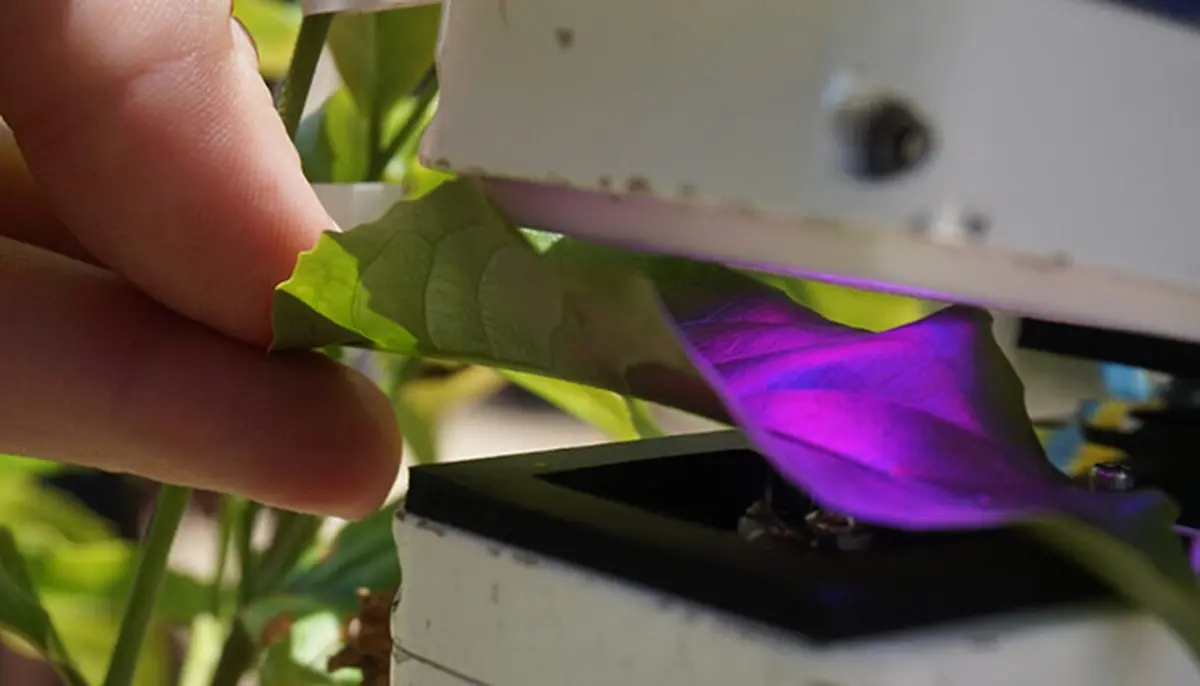
Field measurements by the team confirmed that all of this is increasingly observed under the current abnormal climate conditions in the Amazon, as reported by Science Alert. If the becomes hypertropical, such extreme events will occur much more frequently, and tree mortality could potentially increase by 55 percent.
“Our models showed that trees with low wood density are more vulnerable and die in greater numbers than those with high wood density. This means that secondary forests may be more susceptible to drought since they contain a significant portion of the first type of trees,” noted geographer Jeff Chambers from the University of California, Berkeley.
Part of the study focused on two specific areas of the Amazon that were affected by droughts in 2015 and 2023, caused by El Niño. The critical threshold level of water in both cases was the same, indicating a potential large-scale change.
Researchers predict that hypertropical forests will primarily become the new reality for the Amazon. However, they are also likely to emerge in Africa and Asia. As trees die off, these forests could shift from being carbon sinks to carbon sources.
Such alarming forecasts, based on extensive data, serve as another warning to humanity about the crucial role forests play in atmospheric balance and what could happen if they are lost.
According to the team, it is up to us whether these predictions come true. “If we continue to emit greenhouse gases uncontrollably and in unlimited quantities, we will very soon create this hypertropical climate,” said Chambers.
The results of the study were published in the journal Nature.
Photo: Unsplash