
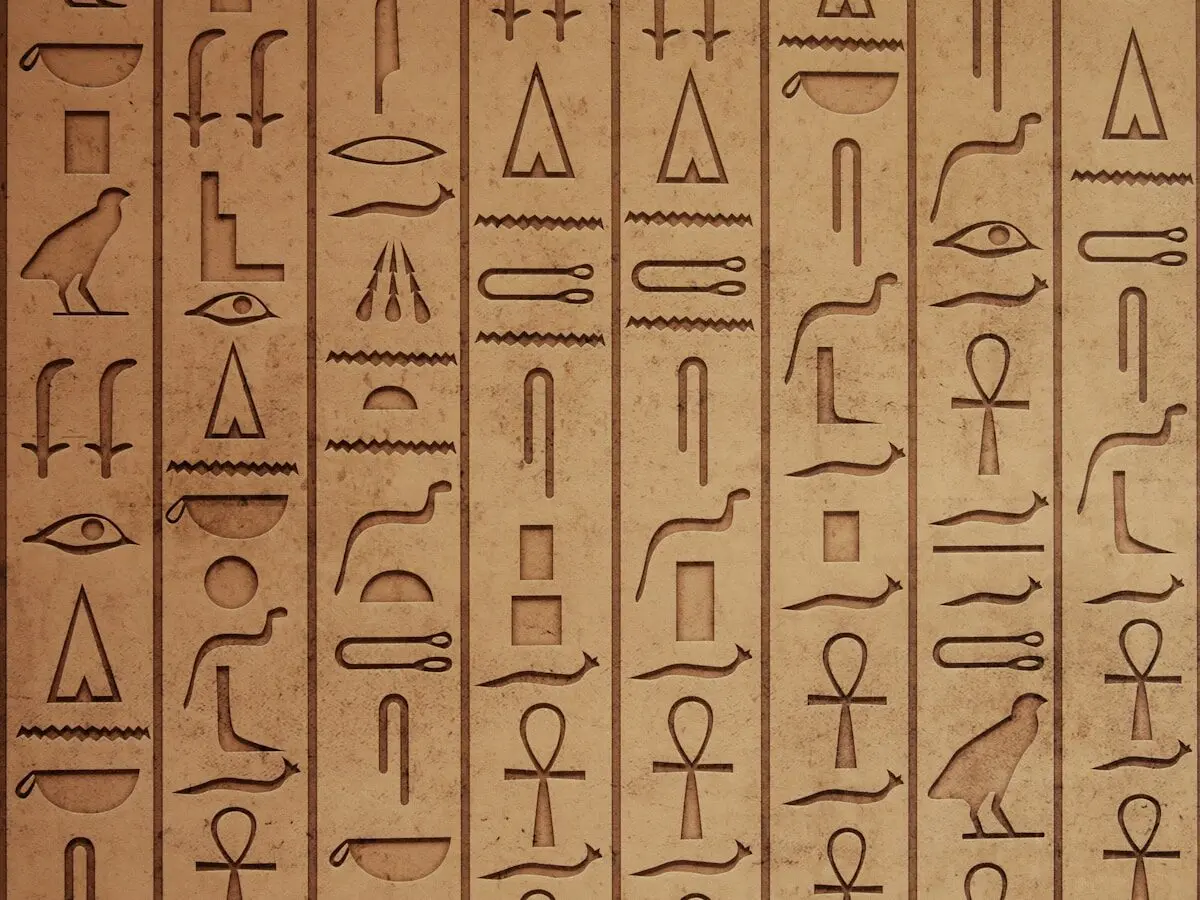
 represents the Ebers Papyrus, which was discovered in 1872 in Thebes (Upper Egypt) by the German scholar and writer Georg Ebers.
According to a new interpretation of the 3,500-year-old Egyptian medical text, ancient physicians washed patients’ eyeballs with human breast milk. They treated certain eye diseases with this simple natural remedy.
A team of scientists at leading British medical institutions says growth factors and immune proteins in breast milk may promote healing of the eye’s surface when applied topically.
What researchers found about breast milk and eye disease
Researchers from Calderdale Royal Hospital in Halifax, York District Hospital, and St James’s University Hospital in Leeds studied the Ebers Papyrus, which is considered one of Ancient Egypt’s most complete medical documents.
Among the many remedies listed in the text, at least four recommend applying human breast milk to the eyes. The papyrus specifically suggests it for treating eye hemorrhages and for “restoring sight.” It also says breast milk should ease symptoms of eye inflammation and of an unnamed disease that led to blindness.
Ancient healers preferred the breast milk of a woman who had given birth to a son. Modern Egyptologists suggest this may refer to a magical ritual—possibly one dedicated to the goddess Isis, whose breast milk was considered sacred. IFLScience reports that Isis used her milk to bring her dead husband Osiris back to life.
The authors of the new study looked for a scientific explanation for breast milk’s apparent effects on eye health. First, they noted that breast milk contains growth factors such as epidermal growth factor (EGF), transforming growth factor alpha (TGF-α), and insulin-like growth factor 1 (IGF-1). They then pointed out that these compounds are present in eye drops called autologous serum tears. Clinicians make those drops from patients’ own blood, and they are a primary treatment for severe dry eye syndrome.
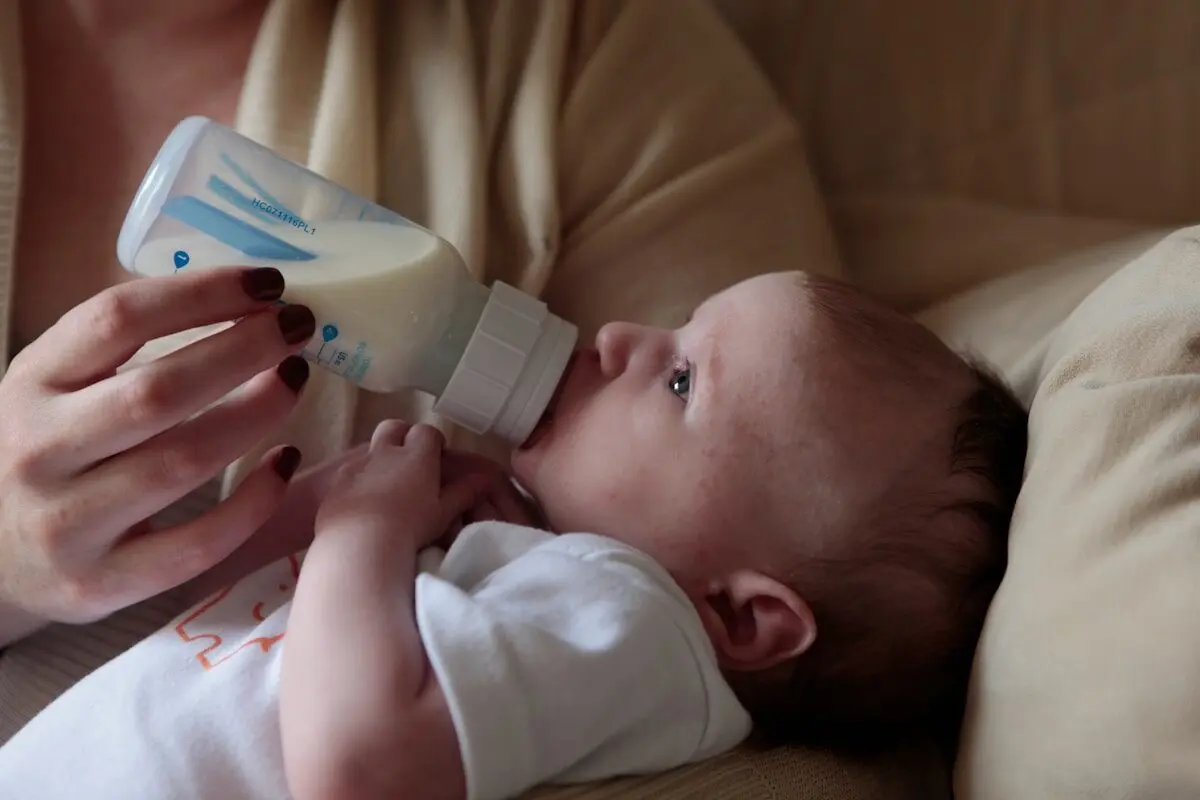
According to the researchers, dry eye syndrome affects up to 17 percent of people. But autologous serum tears are quite expensive. So the team asked whether human breast milk could be a more accessible yet equally effective treatment for the condition.
There is no clear answer yet because clinical trials testing breast milk as a treatment for dry eye in humans have not been conducted.
However, several preclinical studies point to possible benefits of breast milk as an ophthalmic agent. For example, mouse studies have shown that breast milk speeds corneal healing after injury—mainly because of the growth factors it contains. Meanwhile, researchers attribute the use of a mother’s colostrum to prevent conjunctivitis in premature infants to the antimicrobial properties of immunoglobulins and lysozymes found in breast milk.
Therefore, the researchers suggested that breast milk could become a more cost-effective treatment for dry eye syndrome. But they argued that bovine colostrum might be a more accessible and ethically preferable alternative.
The results were published in the Journal of Ocular Pharmacology and Therapeutics.
Photo: Unsplash