
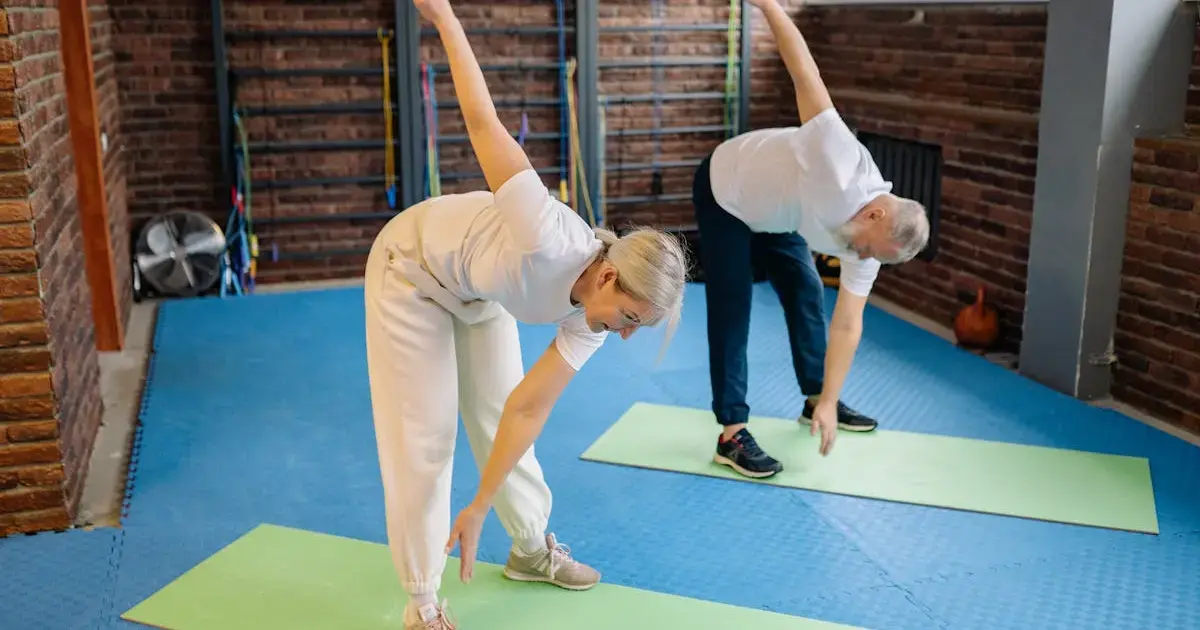
 According to researchers from the AdventHealth Research Institute in the U.S., the brains of individuals who followed a regular exercise program for a year appeared significantly younger. This was confirmed through magnetic resonance imaging (MRI).
Previously, scientists had already stated that regular aerobic exercise helps prevent rapid . These exercises are linked to improvements in thinking, memory, and overall well-being. However, according to the authors of this new study, large-scale structured research examining the effects of such training on the brain has yet to be conducted.
What Did the Researchers Discover?
The team involved 130 healthy adult volunteers aged between 26 and 58. Over the course of 12 months, the researchers analyzed the impact of moderate and high-intensity aerobic exercise on their health. They specifically monitored changes in the participants’ brains using .
Volunteers attended two controlled 60-minute sessions per week in a lab setting and also performed home workouts. In total, each participant’s weekly exercise program lasted 150 minutes.
It’s worth noting that the World Health Organization recommends dedicating at least 150-300 minutes per week to moderate aerobic activity (or 75-150 minutes of vigorous activity).
During the study, participants were encouraged to walk, jog, use treadmills, stationary bikes, stair steppers, elliptical machines, and rowing machines.

In the first six weeks, each participant was assigned that targeted 50-60 percent of their maximum heart rate reserve (HRR), which is the difference between maximum heart rate and resting heart rate. (As the researchers explained, maximum heart rate is typically calculated using the formula “220 minus the person’s age”).
After this initial phase, volunteers increased the intensity of their workouts to 60-75 percent of HRR, as reported by Independent.
The team assessed the participants’ fitness levels at the beginning and end of the study by measuring their maximum oxygen consumption.
After a year, MRI scans revealed a noticeable decrease in brain age among all volunteers as a result of the exercise program.
“We found that a simple exercise program can rejuvenate the brain in just 12 months. And that’s encouraging,” said Lou Wang, a co-author of the study.
“Given the , stimulating brain function in middle age is extremely important,” added Kirk I. Erickson, another co-author of the study.
The team suggested that the slowing of brain aging processes is due to subtle changes in its structure and vascular state caused by regular physical exercise.
In future studies, researchers plan to determine whether exercise can reduce the risk of stroke, , or other age-related brain disorders.
“If we can slow brain aging before serious problems arise, we may be able to delay cognitive impairment and dementia in later life or reduce their risk,” noted Dr. Erickson.
The study’s findings were published in the Journal of Sport and Health Science.
Photo: pexels.com