
 When a person chooses for their living space, they are guided not only by taste but also by a variety of other factors.
Jeff Beattie, a psychology professor at Edge Hill University in the UK, asserts that the choice of color palette is a “psychological issue, not just an aesthetic one.”
“Neurobiological, behavioral, and psychological studies show that color choice is not merely a matter of preference. The shades that surround us affect our emotional state, , social interactions, sleep, and even our long-term psychological well-being,” Professor Beattie noted.
According to him, “for long-term , it’s best to choose shades of low or medium saturation rather than overly bright ones.”
If you want to enhance your creativity and problem-solving skills, Professor Beattie recommends opting for muted greens. Meanwhile, red walls can hinder your ability to concentrate on tasks, the expert warned.
So, what else does science say about these and other colors in interior design?
White, Gray, and Beige
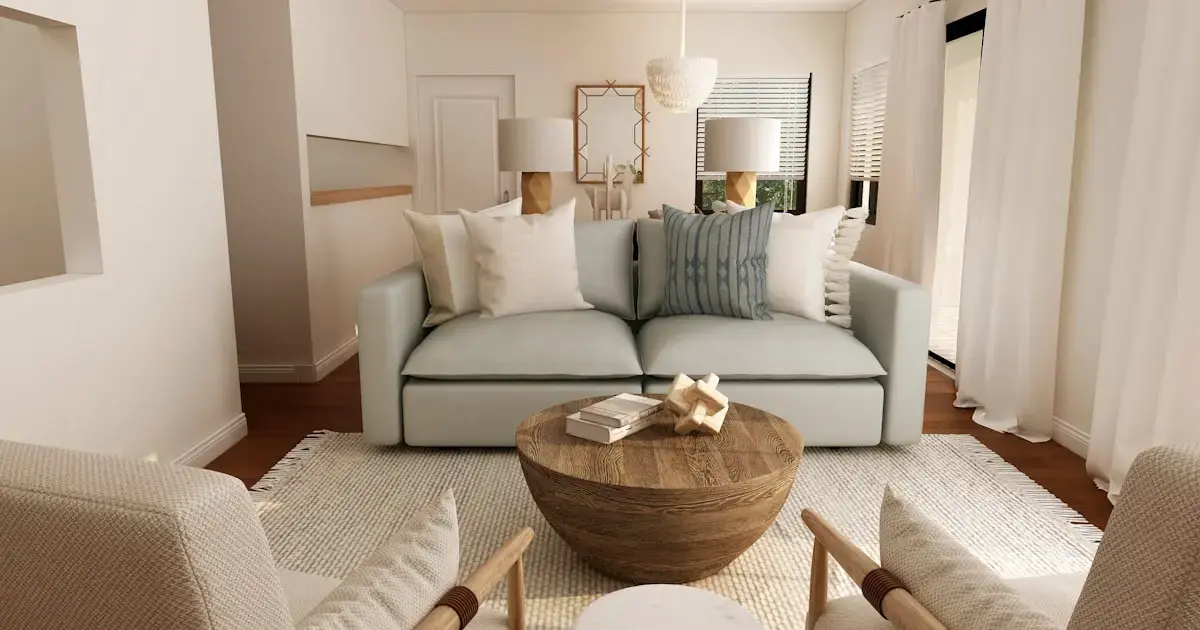
If you’re unsure which color to paint your walls, you might be tempted to choose neutral shades.
“Neutral colors (white, gray, beige) have a low level of visual stimulation, which helps reduce sensory overload and stress. They make a space feel more expansive,” explained Professor Beattie.
At the same time, cold gray or white colors can evoke feelings of sterility or sadness, especially in poorly lit rooms, the expert shared.

Blue and Green
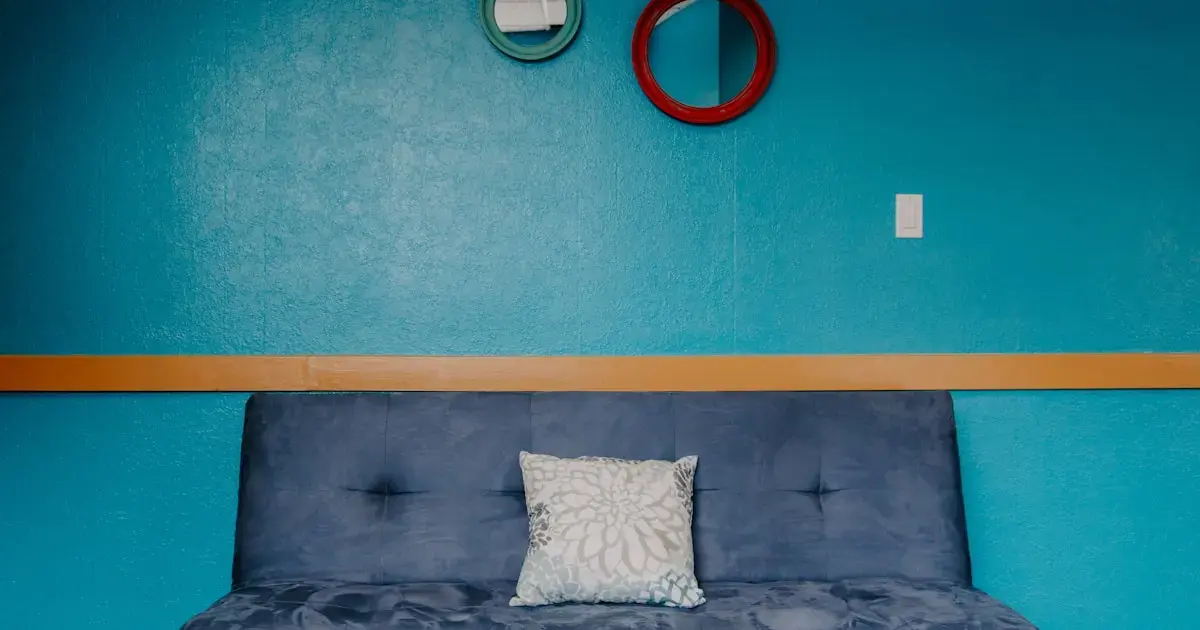
According to him, due to its association with nature, green in interior design promotes rejuvenation and helps combat mental fatigue. Meanwhile, shades of blue, reminiscent of the sky and water, have a calming effect, as reported by Daily Mail.
Professor Beattie noted that blue and muted green also correlate with increased creativity and better problem-solving skills.
“You might not even notice it, but muted green tones in your home office can make you more inventive,” the expert said.
Yellow
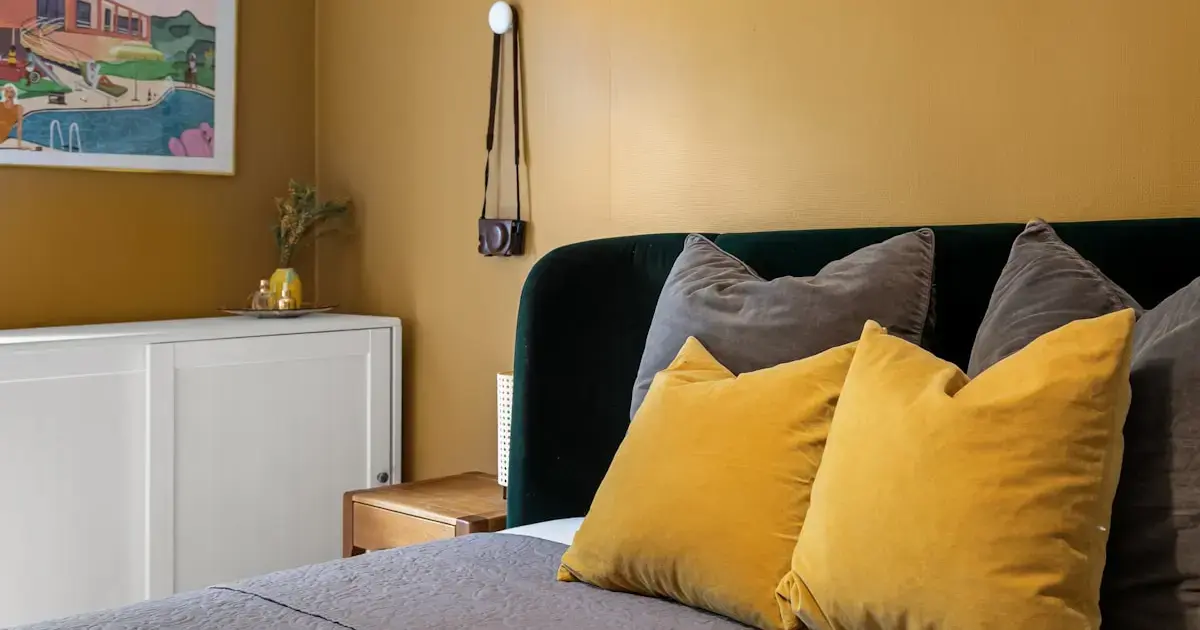
Warm shades of yellow, according to the scientist, should be reserved for relaxation areas. “Soft yellow creates a sense of joy, likely due to its association with sunlight, but saturated shades of yellow can increase irritability,” the researcher warned.
Red
This color is suitable only for certain rooms—and definitely not for a home office. Some may find red dynamic and energizing. However, the effect will be quite the opposite “when you’re working on tasks that require calm concentration and clear thinking,” Professor Beattie said.

But that doesn’t mean that red enthusiasts should eliminate this color from their lives. It’s a great option for the bedroom, as studies suggest that red can enhance sexual attraction.
Photo: Unsplash
