
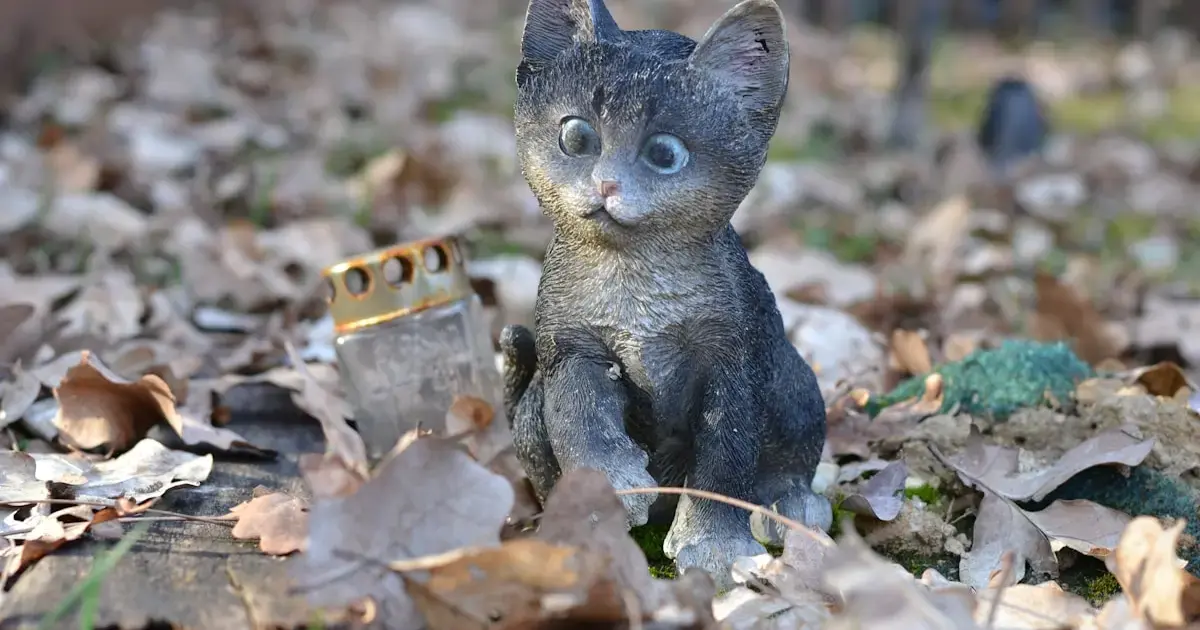
 Irish researchers have confirmed that the death of a can cause its owner as much suffering as the loss of a family member.
A team from Maynooth University surveyed 975 Britons about their experiences with various types of loss.
The results revealed that the death of a beloved , much like the loss of a family member, can lead to what is known as prolonged grief disorder—a long-lasting, complicated mourning process. This mental health condition, officially recognized by the World Health Organization, is characterized by heightened associated with the experience of loss. The intense, persistent pain from this loss does not diminish over time, stretching on for many months or even years. Symptoms of this condition, which requires professional help, include emotional numbness, loss of interest in life, feelings of meaninglessness, and socialization difficulties.
However, this disorder has only been diagnosed in connection with the death of a person until now. It has also remained unclear whether it is appropriate to compare the loss of pets and people.

What Did the Researchers Discover?
Professor Philip Highland from the psychology department, along with his team, sought to clarify this issue, as reported by Daily Mail.
It was found that nearly one-third of respondents (32.6 percent) had experienced the death of a pet. Almost all participants had also experienced the death of a person.
Notably, 21 percent of respondents identified the death of their beloved pet as the most tragic event of their lives. Following this event, 7.5 percent of participants met the diagnostic criteria for prolonged grief disorder.
Similarly, 7.8% of respondents reported struggling with the loss of close friends, 8.3% with family members (such as grandparents, cousins, aunts, and uncles), 8.9% with siblings, and 9.1% with partners.
The level of grief was significantly higher in the case of losing parents (11.2%) and children (21.3%).
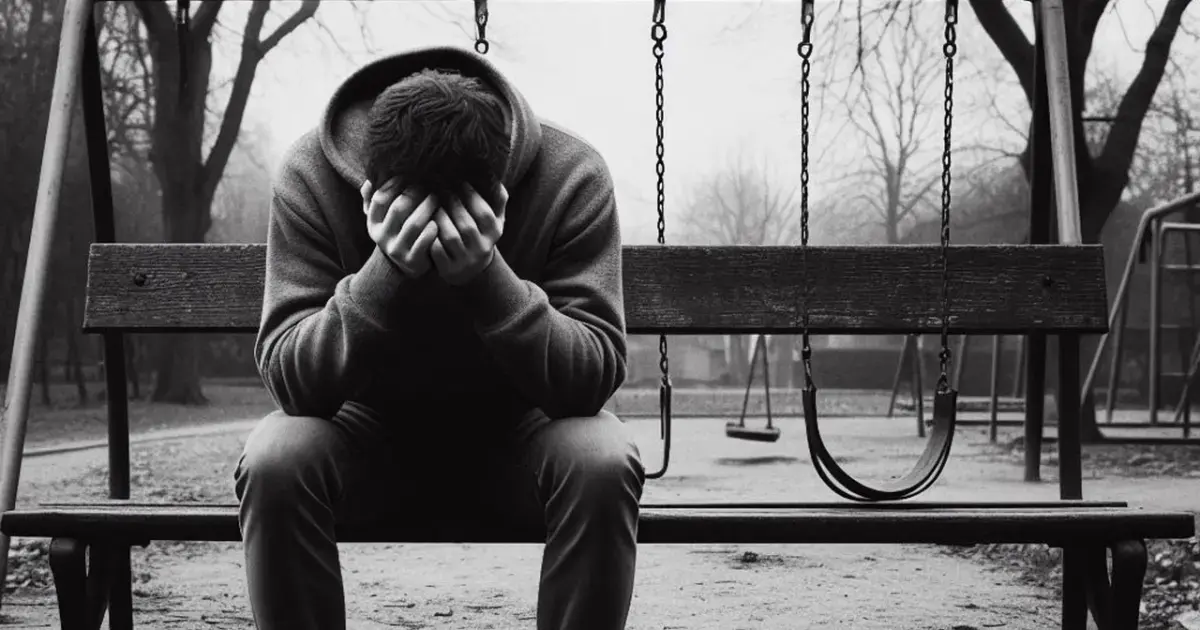
Professor Highland believes that the diagnosis of prolonged grief should encompass not only those trying to cope with the death of a person but also those who have lost a pet. According to the researcher, “it is unclear why the death of a pet has been excluded from the criteria for grief assessment.”
Perhaps previously, scientists doubted whether the loss of an animal could be compared to that of a human. Another reason, according to the study leader, is that researchers “genuinely believed that there is something unique and special about the bonds people have with one another.”
“Whatever the reason, it is important to investigate whether people who have experienced the loss of a pet can undergo a prolonged grief reaction in the way that psychiatrists currently describe,” says Professor Highland.
The study’s findings were published in the journal PLOS One.
Photo: Unsplash