
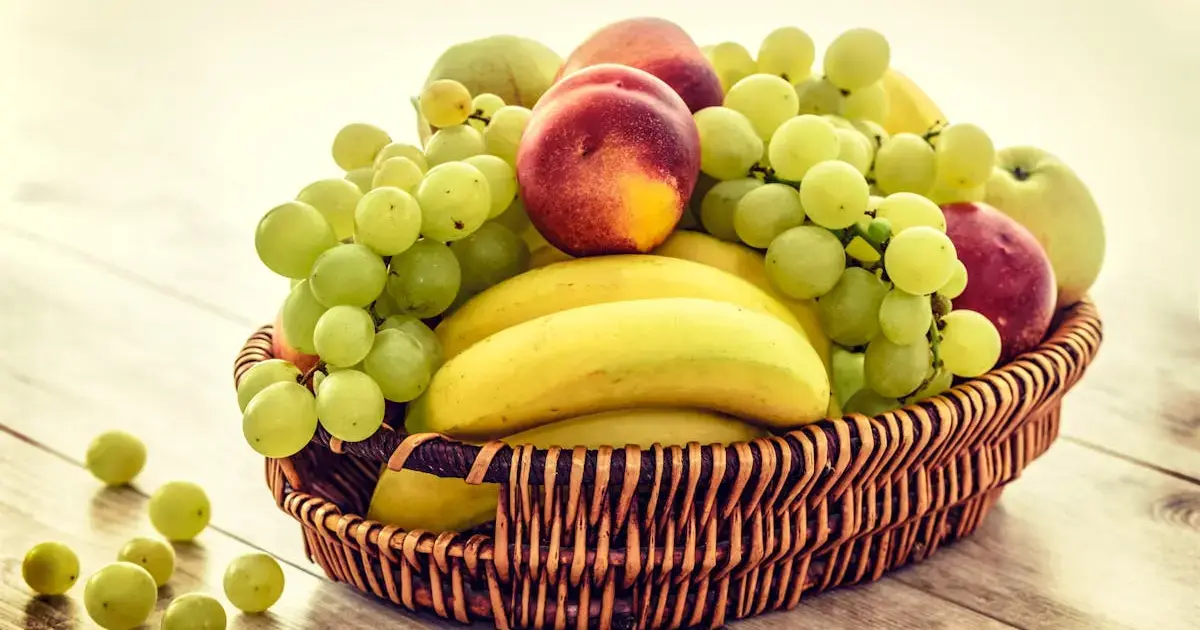
According to statistics, only a quarter of men and about three in ten women consume the recommended five servings of fruits and vegetables each day. This is the minimum amount needed to prevent disease. Often, shoppers deny themselves these essential foods because of their high prices.
Meanwhile, renowned British nutritionist Rob Hobson says five common, easy-to-find supermarket fruits and berries can deliver major health benefits.
Apple
Ever since the apple fell on Isaac Newton’s head, it has proven to be small yet mighty. This fruit, rich in flavonoids (plant compounds known for their anti-inflammatory properties), promotes healthy aging.
A recent study by scientists at Queen’s University Belfast showed that those who increased their intake of flavonoid-rich foods, particularly apples, significantly reduced their risk of physical decline and poor mental health.
Additionally, research from the University of Reading found that eating two apples a day significantly lowers levels of “bad” cholesterol, as reported by the Daily Mail.
Apples are rich in soluble fiber—pectin. It forms a gel in the intestines and slows the release of sugar from food into the bloodstream, says Hobson. He adds that apples also contain polyphenolic plant compounds that improve blood sugar control.

People who regularly eat apples are less likely to develop type 2 diabetes. This fruit is high in vitamin C, which helps the body absorb iron from plant-based foods. “Adding slices of apple to a spinach and lentil (or chickpea) salad enhances iron absorption,” notes the nutritionist.
Blueberry
Researchers say people who regularly consume blueberries face a significantly lower risk of heart disease and type 2 diabetes.
The bluer the berry, the more anthocyanins it contains. These powerful antioxidants help the body manage glucose and support blood-vessel function.
“Clinical studies among individuals at risk of developing type 2 diabetes have shown that blueberries improve insulin sensitivity,” adds Hobson. This means the body doesn’t have to work as hard to maintain stable blood sugar levels.
According to the nutritionist, blueberries can be consumed fresh or frozen, because freezing does not destroy the antioxidants they contain.
“Combining blueberries with oatmeal or natural yogurt not only balances blood sugar with fiber and protein but also provides the body with calcium and probiotics for gut health,” the nutritionist says.

Moreover, the vitamin C found in blueberries aids iron absorption. “A handful of berries along with nuts or seeds will add healthy fats that help absorb fat-soluble plant compounds,” says the expert.
Pear
This wonderful fruit is rich in soluble fiber and protective plant compounds. It can significantly reduce the risk of developing type 2 diabetes.
According to Hobson, sweet pears do not cause sharp fluctuations in blood sugar levels. Eating them with the skin helps maximize fiber and nutrient content.
The nutritionist notes that “gently poaching pears in water or red wine will soften them and aid digestion.” He also recommends serving this fruit with Greek yogurt or cheese. This combination provides a good mix of protein, fats, and fiber. Eating pears with nuts, such as walnuts, supports heart health. Pears, like apples, are also rich in vitamin C, which aids in iron absorption.

Pomegranate
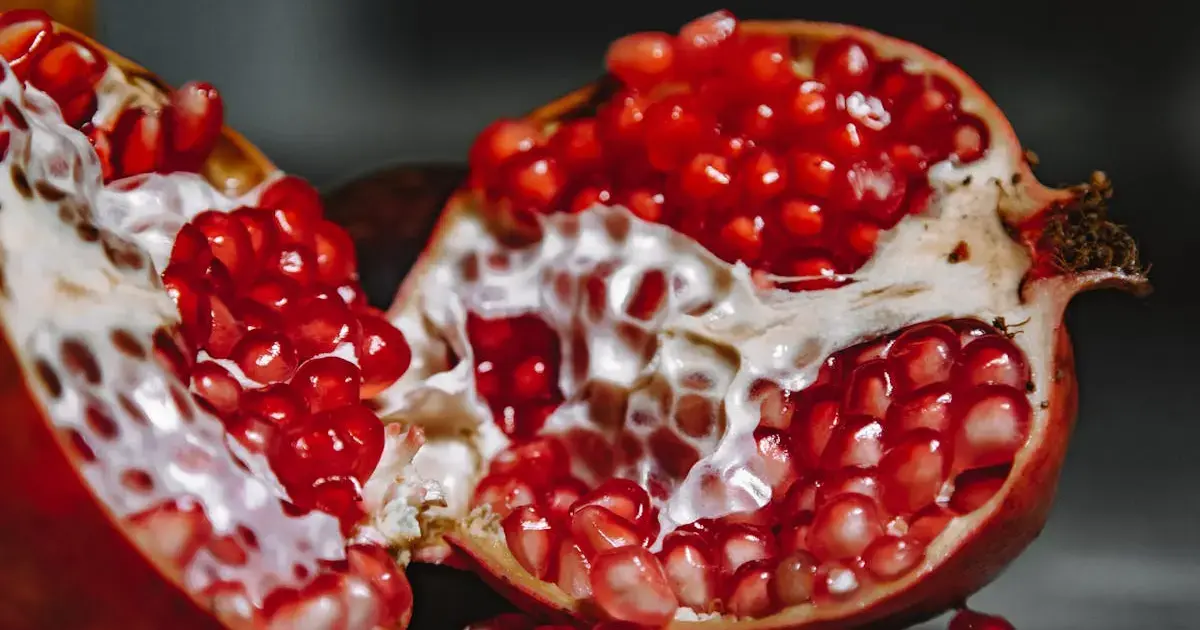
The seeds of the pomegranate contain unique plant compounds called ellagitannins. They interact with starchy foods, reducing the typical spike in blood sugar levels after meals.
Rob Hobson explained, “Studies have shown that consuming pomegranate juice with bread lowers blood sugar levels. However, it’s best to eat fresh seeds, as they contain both fiber and antioxidants. Pure pomegranate juice should be consumed in small glasses and preferably during meals, not separately.”
It’s beneficial to sprinkle pomegranate seeds on salads with lentils or other legumes. The vitamin C from pomegranates helps the body better absorb iron from legumes. This dish will be even more beneficial if dressed with olive oil.
Raspberry
The health benefits of raspberries are attributed to their exceptionally high fiber content. “This berry is special because it contains more fiber than other fruits but less natural sugar,” explains Hobson.
In 100 grams of raspberries, there are about 4 grams of sugar, while the same portion of an apple contains around 11 grams.
Recent studies have shown that adding raspberries to high-carbohydrate dishes helps lower blood sugar levels. The expert advises avoiding sweetened raspberry sauces or jams, which contain significantly less fiber and more sugar.
This berry pairs wonderfully with oats, chia seeds, or flaxseeds: together they create a fiber-rich base that provides a lasting feeling of fullness and supports gut health.

Combining vitamin C–rich raspberries with iron-containing foods, such as pumpkin seeds or whole grains, can enhance iron absorption.
Rob Hobson assures that adding raspberries to yogurt or kefir boosts probiotic levels, which supports gut microbiome health.
Photo: pexels.com