
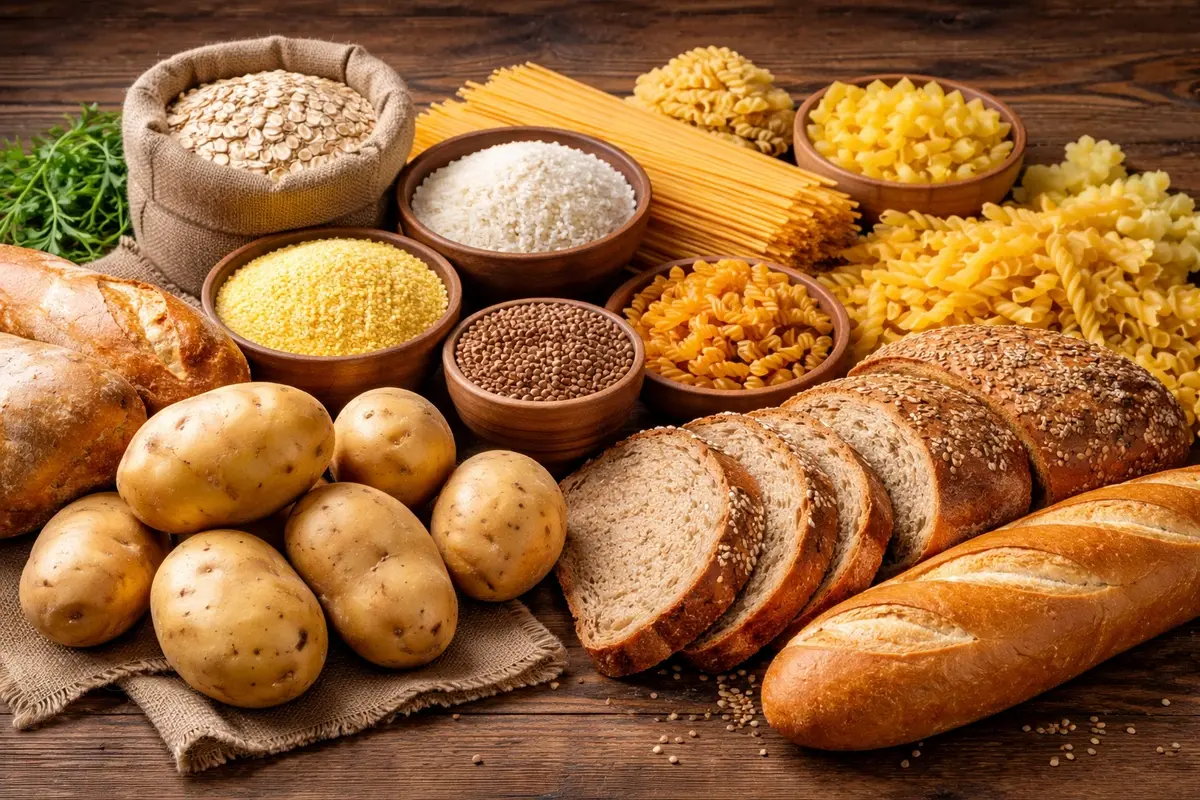
So, are potatoes, bread, and rice bad for you? Which are best to eat, and how should you eat them? Can they really protect your gut from cancer? Dietitian Sophie Medlin, director of the London clinic CityDietitians, knows everything about carbs.
Because of the low-carb craze, a lot of people think bread and pasta are unhealthy. But experts say that’s a myth.
Dr. Medlin says the problem isn’t carbs themselves but highly processed carbs that have had their fiber removed — things like white bread and sugary cereal.
Meanwhile, whole-food sources of carbs — grains, legumes, vegetables, and fruit — provide the body with energy, fiber, vitamins, and minerals. New large-scale studies even link eating them to lower risks of heart disease, type 2 diabetes, and some cancers.
Fiber slows the absorption of carbohydrates, supports a healthy gut microbiome, and helps you feel full longer, which together helps maintain a healthy weight.
How you cook carbs and what you serve them with matter, Dr. Medlin told the Daily Mail. Adding butter, cream, or cheese can make a dish very calorie-dense.
Potatoes: A beloved staple that actually packs nutrients
Few foods have been treated as unfairly as potatoes. They’re relatively low in calories and rich in nutrients.
A medium baked potato weighing 180 g contains about 160 calories (roughly the same as a slice of whole-grain bread with butter) and about 4 g of fiber if you eat the skin. It also contains around 900 mg of potassium, which helps regulate blood pressure and supports muscle and nerve function — more than an average banana.
Potatoes are also a good source of vitamin C, important for the immune system and skin health, as well as B vitamins — especially B6, which helps the body release energy from food.

Boiled potatoes contain about 90 calories per 100 g. But if you roast them in oil, fry them in a pan, or turn them into mashed potatoes with cream, oil, or butter, the calorie count can double or triple.
One more interesting detail: Cooling cooked potatoes (for example, for a salad) increases their resistant starch content, Ms. Medlin noted. She explained its beneficial effects at the end of the article.
Oatmeal, pasta, and other smart carb choices
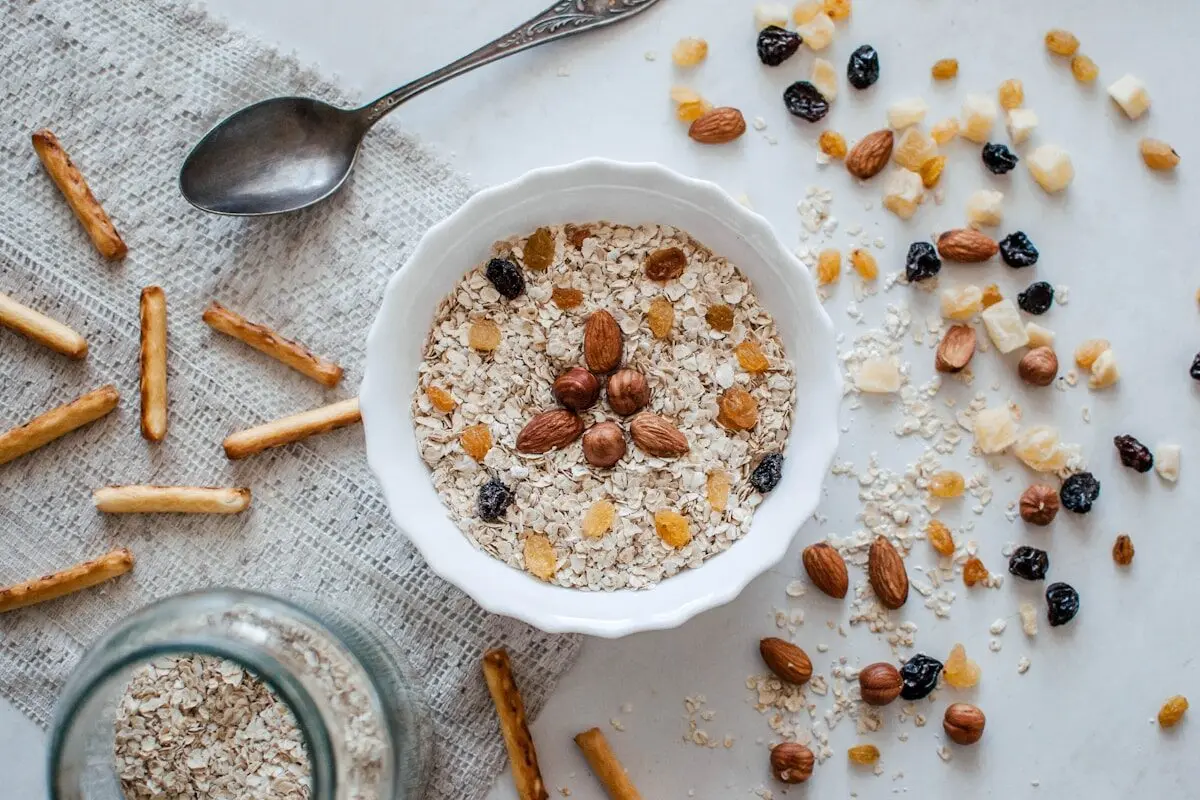
Oatmeal is a fiber-rich carb that lowers cholesterol. Oats are considered one of the healthiest carbs because they’re high in beta-glucan — a soluble fiber that helps reduce “bad” cholesterol.
A typical 40 g serving of oats contains about 150 calories, 27 g of carbs, 4 g of fiber, and 5 g of protein.
Fiber slows digestion, preventing sharp spikes in blood sugar and helping you feel full longer. That’s why a bowl of oatmeal often keeps you much fuller than most boxed cereals.
What about whole-grain carbs? First and foremost, they benefit heart health, Dr. Medlin says.
Foods in this group — brown rice, barley, quinoa, and whole-grain pasta — contain fiber-rich bran and nutrient-packed germ.
By contrast, refined grains like white rice or regular pasta lack those components, so those products are stripped of fiber and nutrients.
Whole-grain pasta is made from flour milled from the whole wheat kernel, which means most of the fiber and nutrients are preserved when you cook it.
How you cook carbs determines whether they stay healthy
“When we cook, cool, and then reheat foods like potatoes, bread, and pasta — or freeze them before thawing — the structure of the carbs changes into what we call resistant starch. This type of starch is harder for the body to digest and break down,” Dr. Medlin emphasized.
So your body absorbs fewer calories. Resistant starch acts like fiber, feeding beneficial gut bacteria and helping control blood sugar levels. And that’s great, especially if we’re trying to manage our weight, Dr. Medlin added.
She said researchers also have data showing that consuming more resistant starch helps reduce the risk of developing bowel cancer.
Photo: Unsplash