
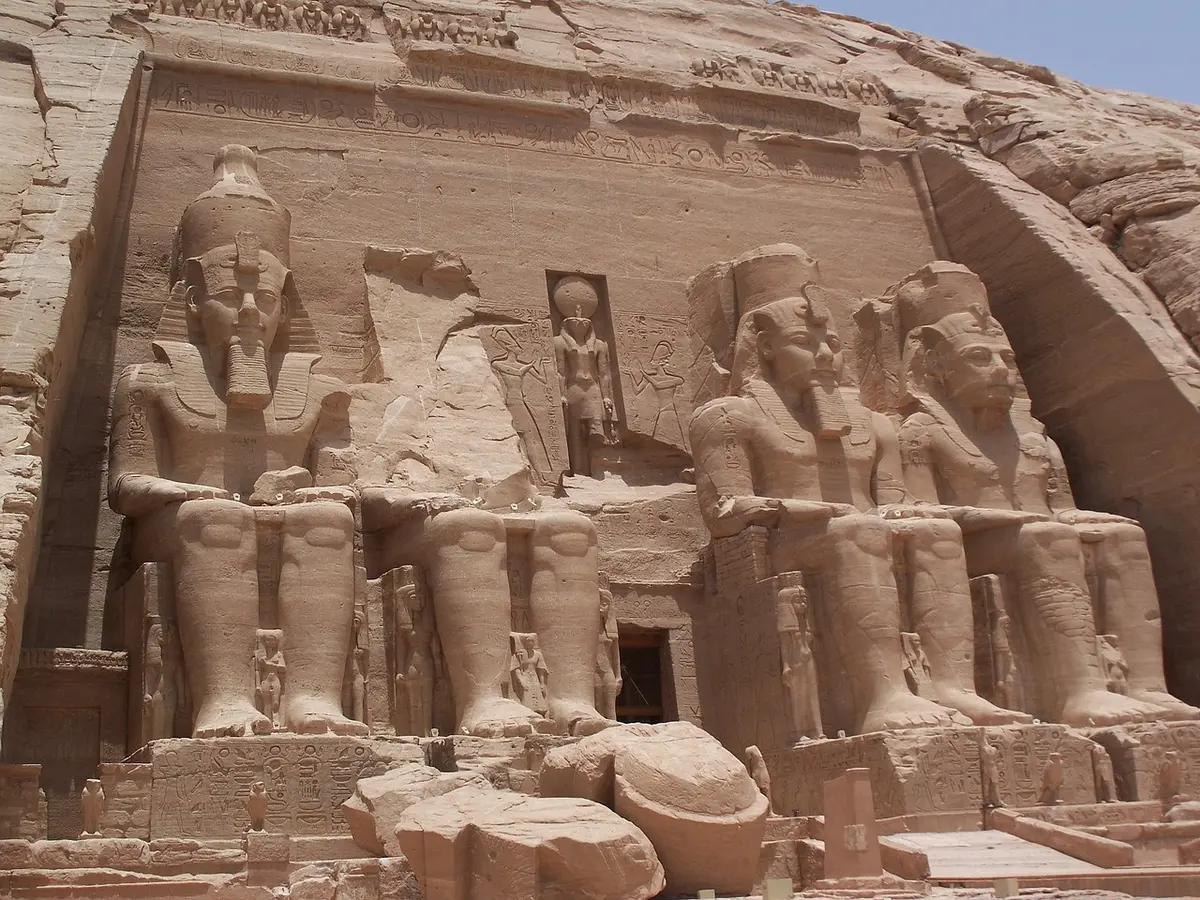
 A new scientific discovery has rewritten the timeline of Egypt’s early dynasties, pushing the start of the New Kingdom nearly a century later than previously thought.
The Eruption of Santorini: How a Natural Disaster Changed the Dating of Egyptian Dynasties
The New Kingdom, which lasted from 1550 to 1070 B.C., marked the peak of Egypt’s power, wealth, and territorial expansion—a time of Egypt’s greatest rulers. It began with the 18th dynasty, founded by Pharaoh Ahmose I, who united Egypt and expelled the invading Hyksos, restoring central authority after a period of fragmentation.
Now, researchers have confirmed that the massive eruption of the Santorini volcano (Thera) occurred before the reign of Ahmose, indicating that the 18th dynasty—and thus the New Kingdom—emerged later than previously believed. Until now, historians often assumed that the eruption coincided with the early New Kingdom, and some scholars even attempted to link it to specific pharaohs, including Hatshepsut, Thutmose III, or Ahmose I, as reported by DailyMail.
Radiocarbon Dating of Artifacts: How Modern Science is Changing Historical Perspectives
This breakthrough was made possible through radiocarbon dating of Egyptian artifacts from the 17th and early 18th dynasties. Researchers examined clay bricks bearing the name of Ahmose, linen burial cloth, and wooden funerary figurines known as ushabti—all directly linked to famous pharaohs and their temples.
That analysis shifted the established timeline.
Since these objects are tied to specific historical contexts, their age provides a reliable insight into that period. The research shows that the eruption predates these artifacts, altering historians’ understanding of the rise of Egypt’s most powerful era.
The Santorini volcano, located about 120 kilometers north of Crete, is surrounded by the small islands of Thera, Therasia, and Aspronisi. Over time, it has caused many significant explosive eruptions, but the most famous occurred during the Late Minoan IA period, approximately between 1600 and 1480 B.C.
This eruption buried the city of Akrotiri on southern Thera under thick layers of volcanic ash. Fine ash was carried by winds and fell as far as eastern Crete, demonstrating the eruption’s vast regional impact.
The Second Intermediate Period and the New Chronology Model of Egypt
Traditionally, the Thera eruption was associated with the 18th dynasty of Egypt, and scholars used it as a rough marker for dating events in the early New Kingdom. However, new radiocarbon analysis has shown that the eruption actually occurred earlier, during the Second Intermediate Period—a time before Egypt was fully united under Ahmose. This means that previous assumptions about a direct link between the eruption and the early New Kingdom were incorrect.
Researchers studied clay bricks with the imprint of Ahmose’s name, linen burial cloth, and wooden funerary figurines known as shabti (shown in the photo), all of which were directly linked to famous pharaohs and their temples.
“This research provides the first direct radiocarbon comparison between the Thera eruption and Egyptian artifacts from this transitional period,” said researchers from Ben-Gurion University in the Negev and the University of Groningen. “For the first time, it allows us to connect one of the most dramatic natural events in the Eastern Mediterranean to Egypt’s own historical chronology.”
The findings have broader implications for our understanding of the ancient world. By showing that the eruption occurred earlier than previously thought, historians and archaeologists can now reassess cultural and trade interactions between Egypt, Crete, and other Mediterranean regions. This includes everything from the movement of goods and ideas to migrations triggered by natural disasters.
The study also demonstrated the power of modern science in rethinking what we know about ancient history. Even civilizations studied for thousands of years, like Ancient Egypt, can have their chronologies refined through new methods and careful analysis.
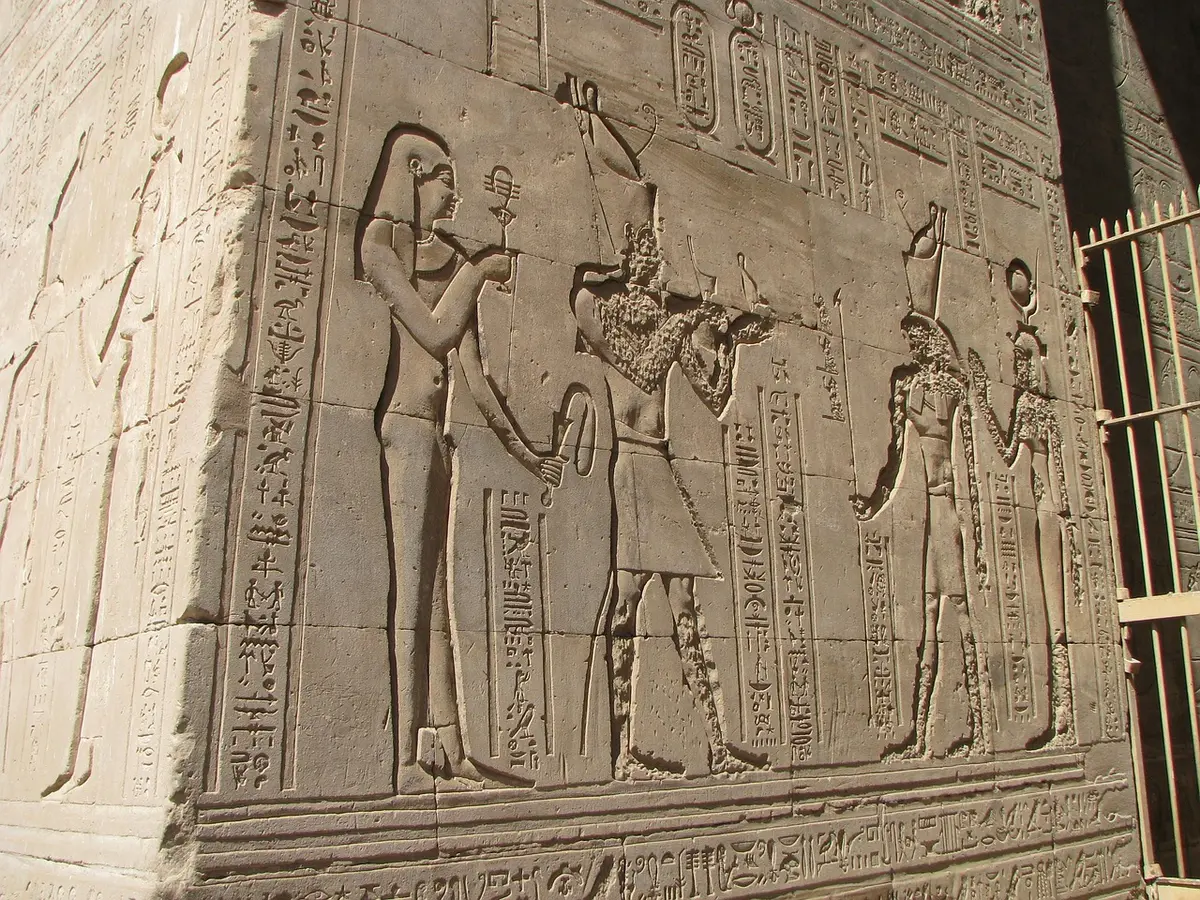
The results confirm the “low chronology” model, which places the beginning of the 18th dynasty slightly later than previously thought. As lead author Hendrik J. Bruins noted, “Our findings suggest that the Second Intermediate Period lasted significantly longer than traditional estimates, and the New Kingdom began later.”
The reunification of Egypt by Ahmose marks a critical turning point, and shifting its date alters scholars’ understanding of the political and cultural transformation that initiated Egypt’s New Kingdom.
Also read: Other archaeological discoveries and historical studies.