
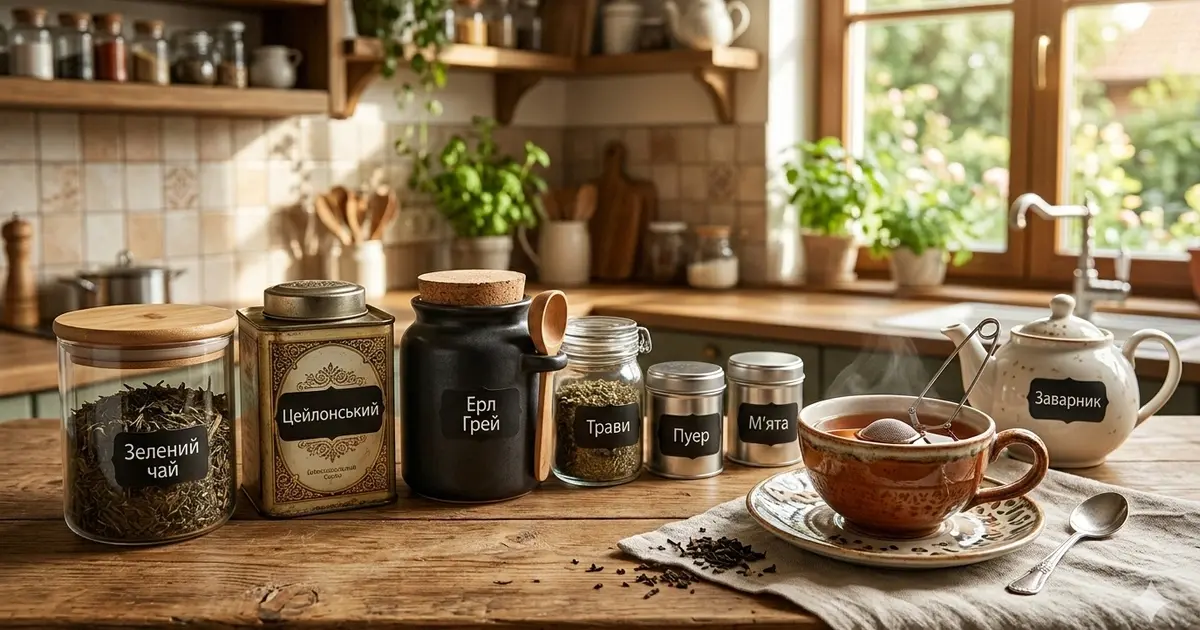
 Want to chat about tea over a cup of tea? Then forget the cozy image of a grandmother with a teacup, because the real story of this beverage is steeped in gunpowder, sea salt, and big stakes. This herb in boiling water is the world’s first global commodity, for which people learned to sail ships faster than the wind and build financial pyramids out of thin air.
The Invention of Tea: From Emperor to Apothecary
It all began in China three thousand years before anyone added the first spoonful of to their cup of tea. Emperor Shen Nong was quite the character and a hygiene enthusiast—he only drank boiled water. According to legend, the historic discovery of the beverage happened when the emperor was sitting under a bush waiting for his water to boil, and a breeze blew a few leaves right into his pot.
Whether His Majesty didn’t notice this unsanitary act or was just an experimenter at heart, he took a sip of the brew and realized—there was something to it. It was invigorating: clarity of mind, energy, and .
However, the beauty of this invention wasn’t appreciated right away. Initially, tea was used as medicine: it expelled demons from the belly and aristocrats.
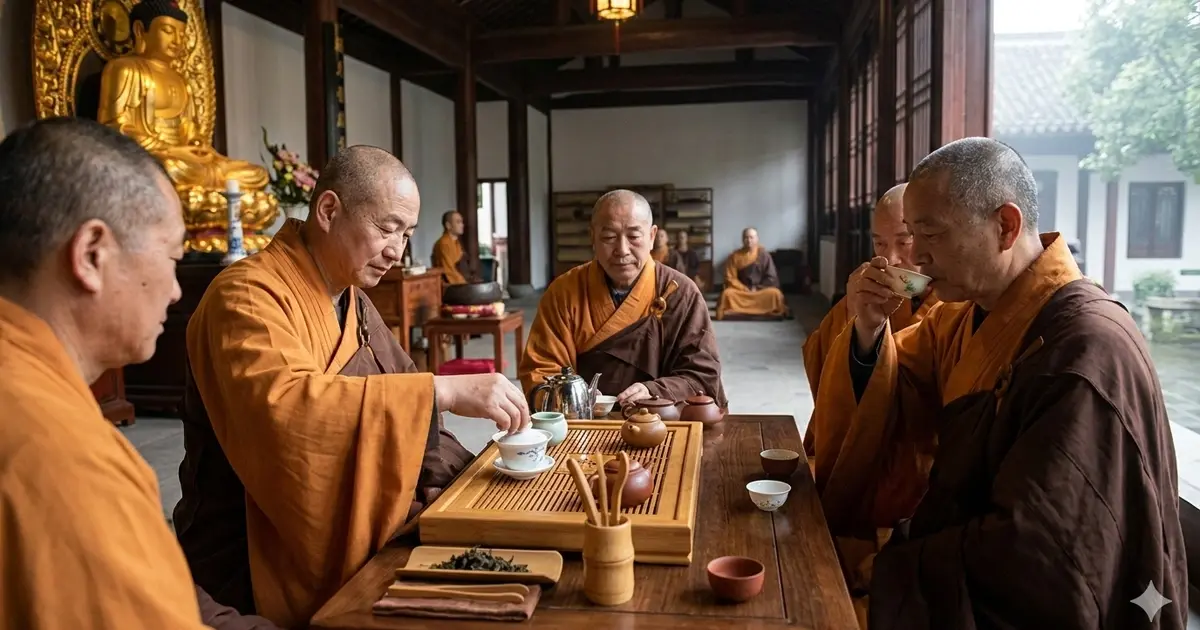
Chinese monks used the drink to stay awake during meditation, and the imperial court considered it almost sacred. It took a thousand years for the Chinese to realize that even if you’re not sick and don’t need healing, you can simply enjoy it.
Tea as Currency: How Leaves Became a Global Commodity
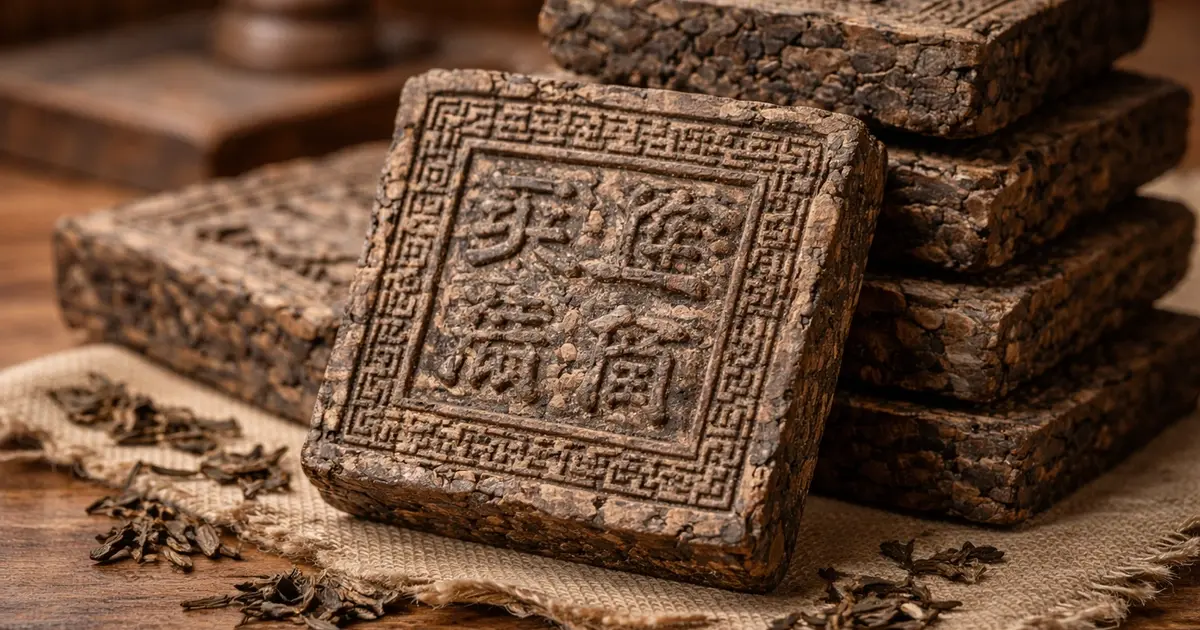
If you think Bitcoin is complicated, you’ve never tried to pay for a herd of horses with dried leaves. During the Tang Dynasty—a period known as the “golden age” in Chinese history—tea became a universal currency. It was pressed into bricks, stamped with government seals that certified the quality of the product. A block of tea was the gold standard: it had a clearly defined weight, didn’t rust, and if all else failed, you could simply eat it, or rather, drink it. This “money” was used to pay nomads for prized horses.
China was critically short on stallions for wars, while Tibetans and Mongols in their meat-and-dairy diet. Without tea, the nomads simply fell ill. Thus, the Tea-Horse Administration was born—a powerful state structure that controlled all strategic imports. The exchange rate was strict: 60 kilograms of tea for one elite steed.
Caravans carrying tea currency traveled to the Tibetan borders along narrow mountain paths. Porters carried loads heavier than themselves. These people were living armored trucks. And heaven forbid anyone chipped off a piece of state property to buy a bowl of —you could easily lose your head. However, a few bricks were allocated for salaries, which were spent on travel expenses.
Tea Races and Opium Wars: Britain’s Great Game
When tea reached Europe in the 17th century, a true frenzy began. The British showed the most enthusiasm, and it quickly turned into a problem. China sold tea but bought almost nothing from Europe; it was only interested in pure silver. And that silver was flowing out of the British treasury faster than the coveted leaves could be brewed in teapots.
Speed, Thrill, and Tea Speculation
The race for Five o’clock tea sparked the era of tea clippers. Imagine enormous, incredibly fast sailing ships, true maritime speedsters. Captains organized wild survival races across the oceans. Whoever brought the new season’s harvest from China to London first hit the jackpot. Ships were pushed to their limits, masts creaked, and crews went weeks without sleep—all for the sake of lords who wanted to sip fresh brew on time.
But behind this excitement lay a brutal calculation. Tea became the world’s first global commodity, around which wild speculation revolved, making “MMM” look like child’s play. Merchants resold cargoes still bobbing in the ocean, essentially making money out of thin air on risky bets. It was a high-stakes game driven by greed: one storm could sink both the clipper and entire financial fortunes that relied solely on anticipated profits.
The Tea Gambit: Queen Victoria’s Opium Operation
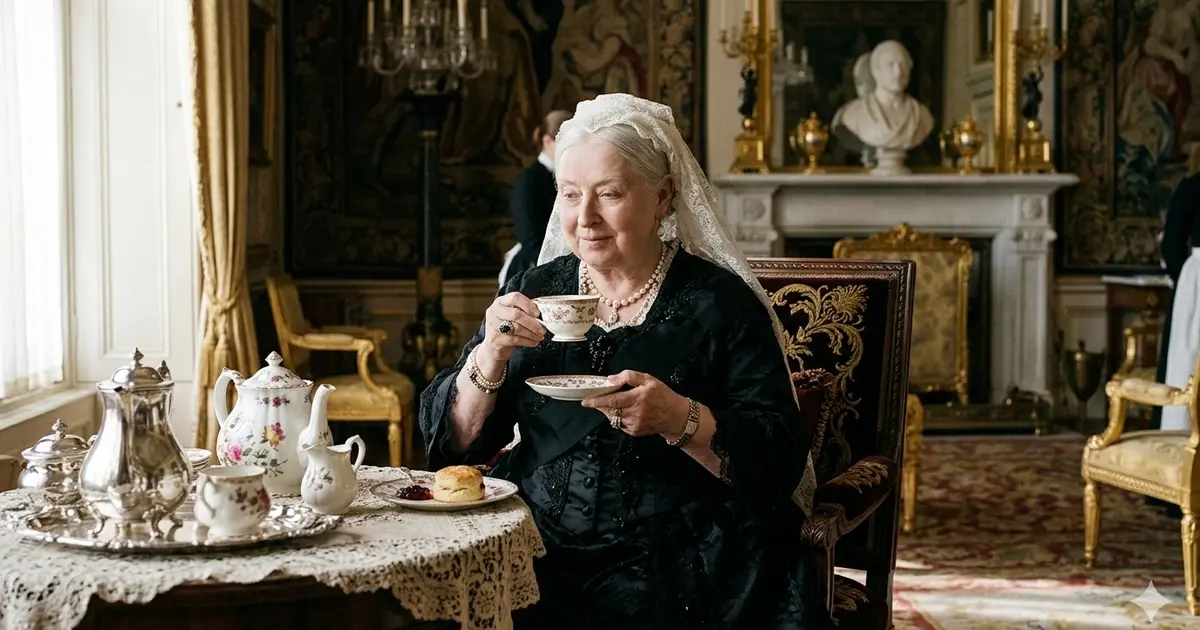
But even speed couldn’t save Her Majesty’s treasury. To plug the massive hole in the budget, the British took a radical and dirty step. It was a large-scale state operation, meticulously planned. The idea was to find a product and make an offer that couldn’t be refused. And they came up with the perfect solution—opium.
The scheme was grand and cynical:
- Production. In India, then a British colony, entire fields were planted with to produce the drug on an industrial scale.
- Logistics. Since the drug was banned in China, the British didn’t officially bring it to ports. They kept storage ships in neutral waters, from where Chinese smugglers delivered the goods throughout the country in fast boats.
- Exchange. For the high, the Chinese paid with the same silver they had previously received for tea. Thus, the British simply “looped” the money: they returned the precious metal to the treasury and bought tea again for the stomach and soul.
When the Chinese government finally realized something was amiss, it was too late: a quarter of the country was hooked on drugs, and the treasury was empty. These geniuses of economics and diplomacy came up with nothing better than to confiscate and destroy over a thousand tons of English opium. And that was the worst decision possible, for which the country paid dearly.
Britain used this unfriendly act as a pretext for war. The queen sent a fleet not “for drugs,” as you might think, but “to defend free trade and their property.” It all ended with becoming a British base until 1997, and the Chinese were forced to open their ports to foreigners.
The Great Tea Heist: Robert Fortune’s Industrial Espionage
While clippers flew across the oceans and China tried to recover from the opium haze, the British decided to finally “finish off” the monopoly issue. Instead of fighting for every shipment, they came up with a brilliant idea: steal the very technology and grow tea in their colonies.
For this audacious task, the East India Company hired not professional thieves, spies, or soldiers, but… botanist Robert Fortune. His mission was a pure adventure, where his very life was at stake. To avoid losing it, he resorted to disguise: he shaved his head, attached a long fake braid, and dressed in the silk attire of a local nobleman. He even learned the manners of Chinese aristocracy, but there remained one problem—his terrible accent. However, the story that he “came from a distant province beyond the Great Wall” eventually passed.
This was true industrial espionage at the 19th-century level. Fortune didn’t just quietly dig up tea bushes—he accomplished the impossible:
- He exported over 20,000 seedlings, inventing special airtight glass containers (Ward boxes) to ensure the plants didn’t perish from sea salt and heat during the long journey.
- He stole the “recipe,” observing the fermentation secrets and realizing that the same plant, processed differently, yields different varieties. Until then, Europeans naively believed that black and green tea came from different trees. Who knew—raise your hand!
- He lured masters, bribing Chinese experts to come with him to India to teach the British how to properly dry the leaves.
The outcome of this theft was a true economic collapse for China. The stolen seedlings thrived perfectly in the highlands of India and Ceylon. Within a few decades, became so cheap and abundant that the Chinese monopoly, which had lasted for millennia, simply crumbled to dust.

The Boston Tea Party: Freedom Isn’t for Sale
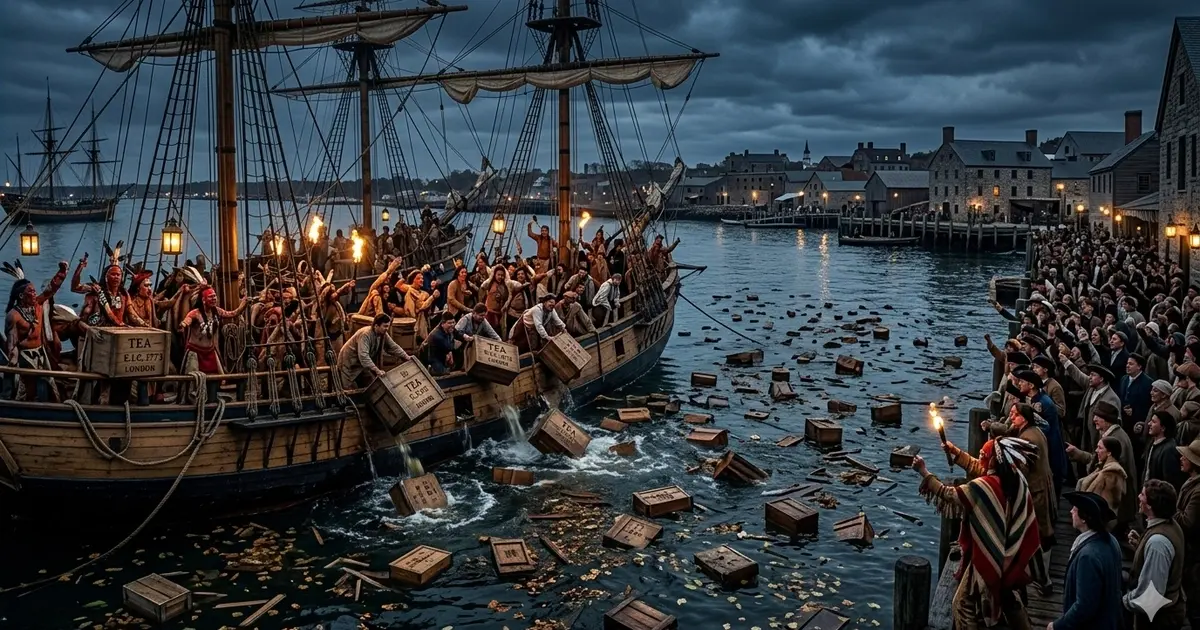
December 1773, Boston Harbor. The silence of the night is shattered by the crack of wood and dull splashes. A group of men, painted like Indians, frantically toss huge chests overboard. In three hours, 45 tons of premium tea ended up in the ocean. This wasn’t a robbery—no one took a single leaf. It was a protest against a legal trap.
So why did the Americans reach their breaking point? It wasn’t about the price—tea was very cheap. Britain played a cunning scheme again: it allowed its company to sell surplus tea, which was nearly rotting in warehouses, to America and exempted it from taxes. At the same time, an official tax was imposed on every package that American buyers had to pay.
The crux of the matter was that this trick was approved by the London Parliament, where there wasn’t a single American; they simply weren’t allowed in. For the colonists, this meant one thing: if they bought this tea and paid this tax, they would legally acknowledge Britain’s right to enact any laws regarding their money without their consent. Well, those were the rules back then, not very understandable to us now.
Americans realized: today London imposes a small tax on tea, and tomorrow it could impose a huge tax on all property. They sensed that they would never have the right to protest if they once acknowledged the legality of such decisions, tempted by cheap brew. It was a choice—either America becomes free or remains a powerless appendage to the crown. By throwing the tea into the ocean, the colonists destroyed any hint of their consent, and the British crown still shudders at the mention of Boston. This is a classic story of what happens when an empire sees people only as resources: sooner or later, patience runs out, and instead of profits, the metropolis gets a revolution and a final “goodbye.”
Thomas Lipton: The Man Who Packaged History in Yellow Boxes
Tea still remained a “gentleman’s pastime” when entered the scene. Do you see that familiar combination of letters associated with the color yellow? You’re right.
This guy was a marketing genius long before the term was coined. By the age of 40, he was already a millionaire from sausages and cheese, but the dry leaves, without which his compatriots couldn’t live, became his ticket to immortality: from 1890 to 1931, he built his tea empire. In 1898, Queen Victoria knighted him, and he became Sir Thomas.
This talented businessman was one of the first to understand that to sell a product, you need to put on a show. While other merchants waited boringly for customers, he turned every purchase into a city event:
- When the first batch of tea he exported arrived in Glasgow, Lipton didn’t just unload the crates. He hired a bagpipe band and organized a real parade to his store. People followed the music and found themselves at the counter, opening their wallets.
- He was a master of absurd advertising. Order a giant cheese head, bake gold coins in it, and send an elephant to carry this load through the city? Easy. All of London buzzed with excitement while Lipton counted his profits.
The man simply took the saying “bread and circuses” and brought it to life. But the real breakthrough came when Thomas decided to cut out the middlemen. He bought plantations in Ceylon, built his logistics, and launched the legendary slogan: “From plantation to teapot.” This was the world’s first business vertical: he grew it, transported it, and sold it himself. While competitors fed the crowd through middlemen and charged 50 cents, Thomas priced it at 30.
This, without exaggeration, remarkable Briton forever closed the shop selling loose tea from dirty sacks, where instead of leaves there was often just dust from Indian roads. Lipton was the first to package his product in signature yellow boxes. This packaging guaranteed quality—now even the average worker bought a solid brand instead of dubious herbs.
The Tea Bag: How a Misunderstanding Changed the Market
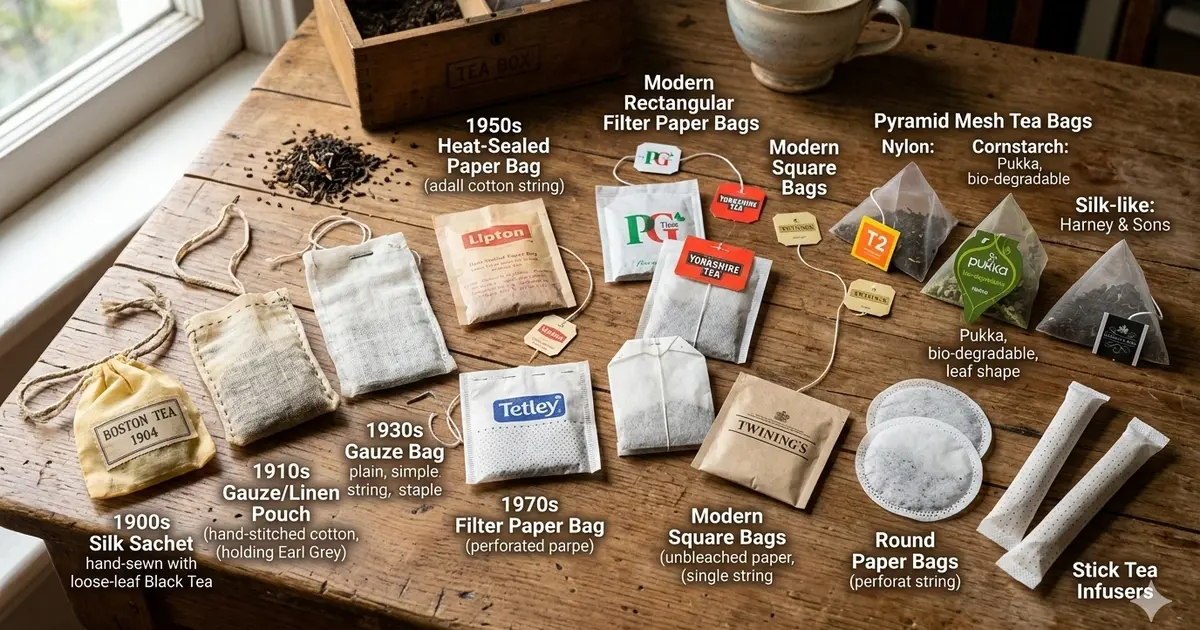
The story of the tea bag is pure anecdote. In 1904, New York. Merchant Thomas Sullivan wanted to save on heavy iron cans in which he sent tea samples to wholesalers, so he laid the dry leaves in small, pretty silk bags. Buyers were a bit surprised, but without much thought, they tossed these bags straight into their cups and poured hot water over them. And they liked it.
Sullivan was shocked: he had just sent a sample, and people invented a new brewing method! Silk was later replaced with cheap muslin, and eventually with special paper. German engineer Adolf Rambold refined the idea in 1929 by creating a machine that stamped bags by the thousands. Before that, girls in factories glued them by hand—can you imagine that volume of work?
Tea Traditions: From “Soup” to “Five O’Clock”
Tea, like a true cultural spy, infiltrated every country, disguised itself under local customs, and changed the habits of entire nations:
- Tibetan “Energy Drink.” Here, tea is a full meal. It’s brewed with salt and yak butter. It looks like murky sludge, but after a bowl of this “soup,” you could run a marathon in the mountains and not even notice.
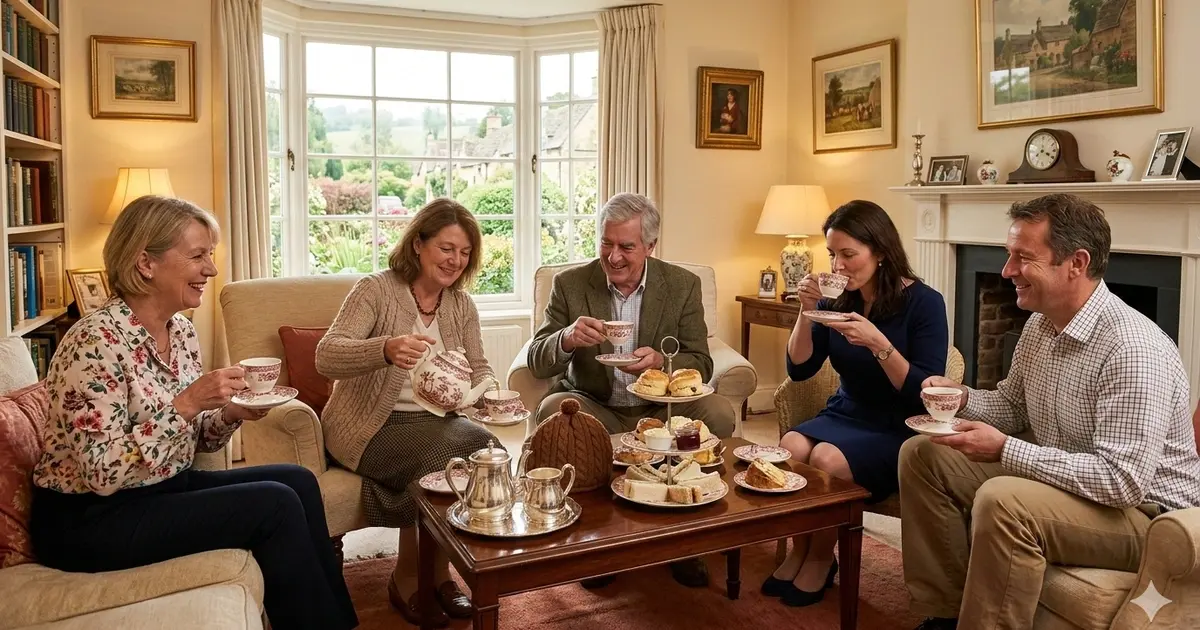
- The British Duchess and “Afternoon Tea.” The famous Five O’Clock Tea didn’t arise from aristocracy but from hunger. Anna, the Duchess of Bedford, was so hungry between early breakfast and late dinner that she held secret snacks with tea and biscuits. The trend spread instantly because what normal person can survive a whole day on an empty stomach? Now the whole world considers this the pinnacle of etiquette.
- Central Asian Cup. Here, tea is a language of respect. It’s poured only to the bottom of the cup, literally just one sip. But not out of greed; rather, for the sake of conversation—so the guest will ask the host for a refill more often. But if a full cup is poured, it’s a clear hint: “Dear guest, aren’t you tired of the hosts?” In other words, it’s time to go home.
The journey of this legendary beverage has spanned millennia. It began as a privilege of rulers, transformed into a strategic commodity, sparked wars and colonial expeditions, birthed new industries, and ultimately became an everyday part of life. Today, all it takes is the push of a button on an electric kettle, and the drink for which nations once fought to the death is ready in minutes. That’s the : from imperial palaces to kitchen cabinets between sugar and biscuits.