
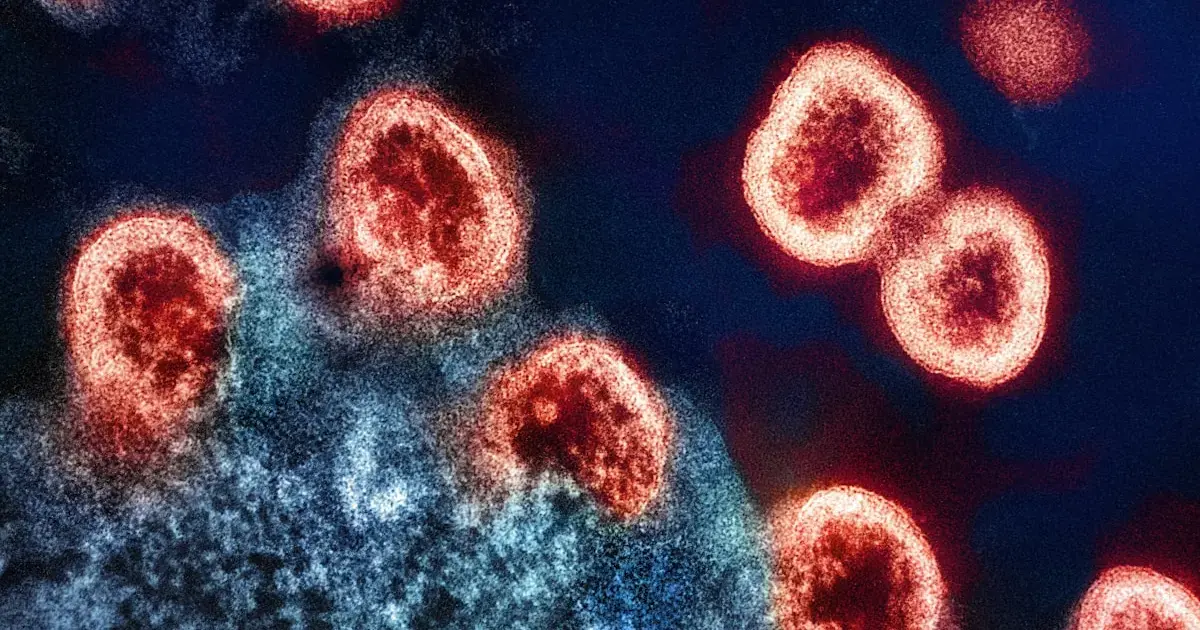
Our immune system weakens as we age, leaving the body more vulnerable to disease. Recently, scientists discovered a way to rejuvenate a key part of the immune system, the thymus, which could potentially improve health in older adults.
A team of researchers from the Broad Institute at MIT and Harvard focused on the thymus, a small organ located in front of the heart. The thymus is crucial for the development of T-cells—immune cells that identify threats such as infected cells and tumors.
Starting in early adulthood (ages 20 to 40), the thymus shrinks and slows its function, limiting the production of T-cells.
“With age, the immune system begins to weaken. We wondered how to maintain immune protection over a long period,” said neurobiologist Mirko Friedrich, a co-author of the study.
How Did the Scientists Make Their Discovery?
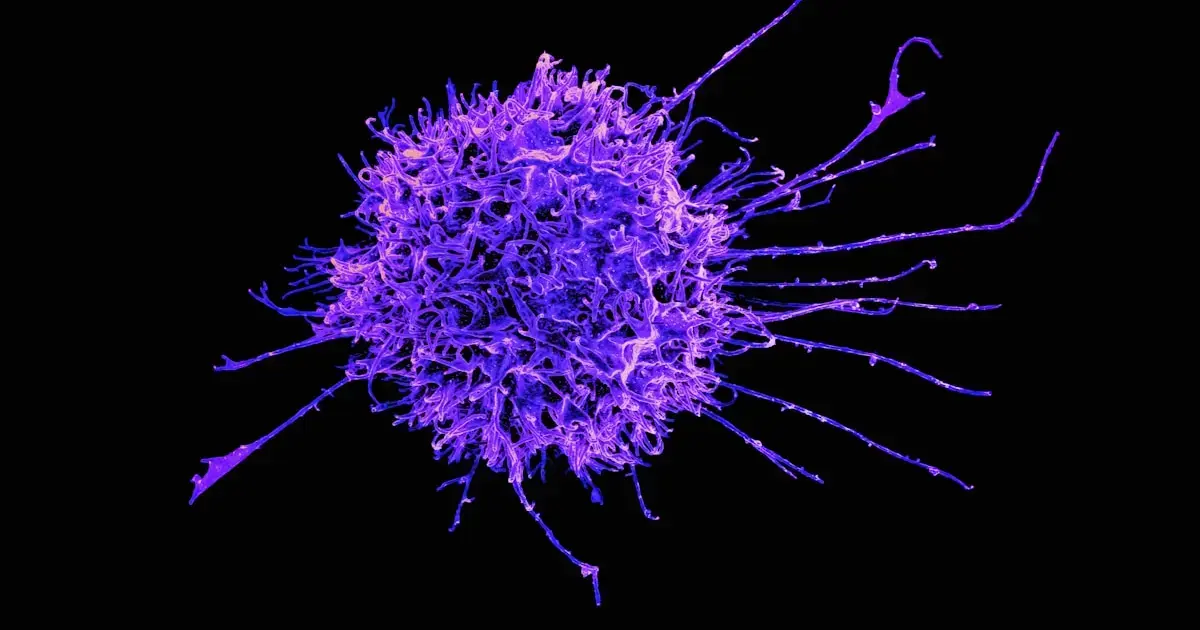
The researchers compared the immune systems of young and old mice to pinpoint three signaling proteins whose levels decline with age: DLL1, FLT3-L, and IL-7. These proteins help convert precursor cells into T-cells and support T-cell function, as reported by Science Alert.
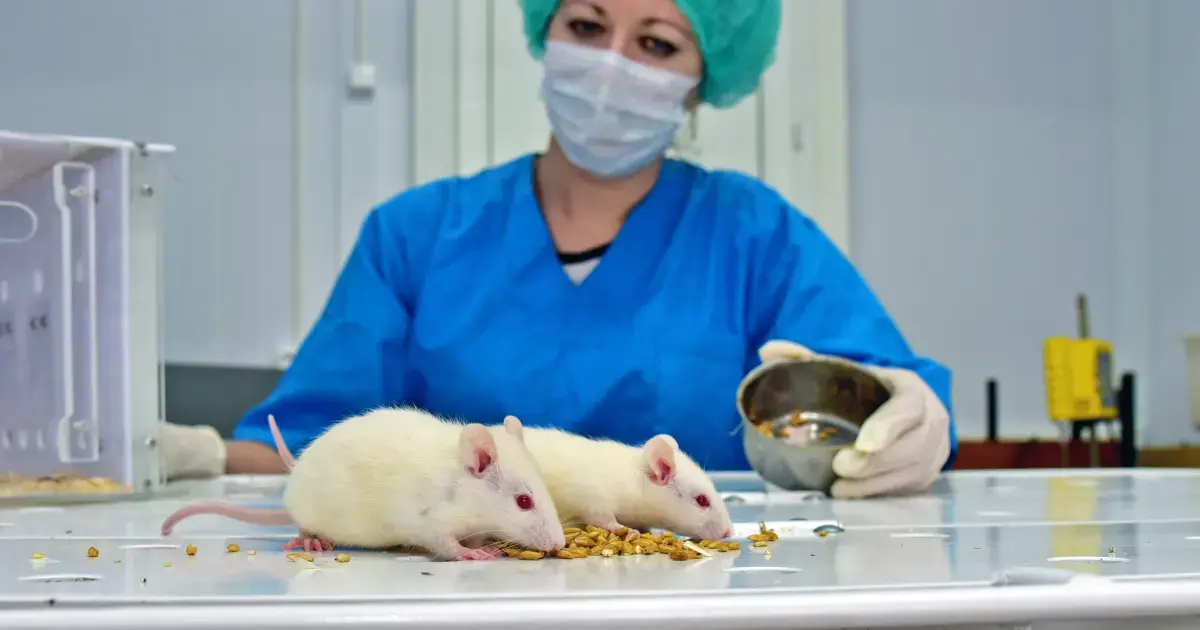
Next, the team used a complex mRNA therapy to produce those proteins (mRNA stands for messenger ribonucleic acid). The therapy was repeatedly administered to the livers of older mice, triggering the desired signaling effects.
The liver is a powerful site for protein production, even in older age. Blood from the stomach and intestines passes through the liver, and accessing the liver during such procedures is relatively straightforward, making it an ideal target.
In older mice that received the mRNA therapy for four weeks, both the number and diversity of T-cells increased significantly. The mice mounted stronger responses to vaccinations and fought tumors more effectively. Those are signs of a more youthful, resilient immune system.
“Our approach is more synthetic in nature. We modify the body to mimic the secretion of thymic factors,” noted neurobiologist Fen Zhang, a co-author of the study.
That increase in T-cell production driven by the liver was temporary, which lowers the risk of overstimulating the immune system and triggering harmful inflammation or autoimmunity.
The results are promising, but researchers still need to show this approach works in other animals and in humans.
Previously, scientists tried restoring T-cell production by giving immune stimulants directly into the bloodstream, but that often came with side effects and risks.
Focusing the therapy on the liver could provide a safer, more effective alternative.
“If we can restore such an important part of our immune system, I hope we can help people stay healthy longer,” said Zhang.
The study’s findings were published in the journal Nature.
Photo: Unsplash