
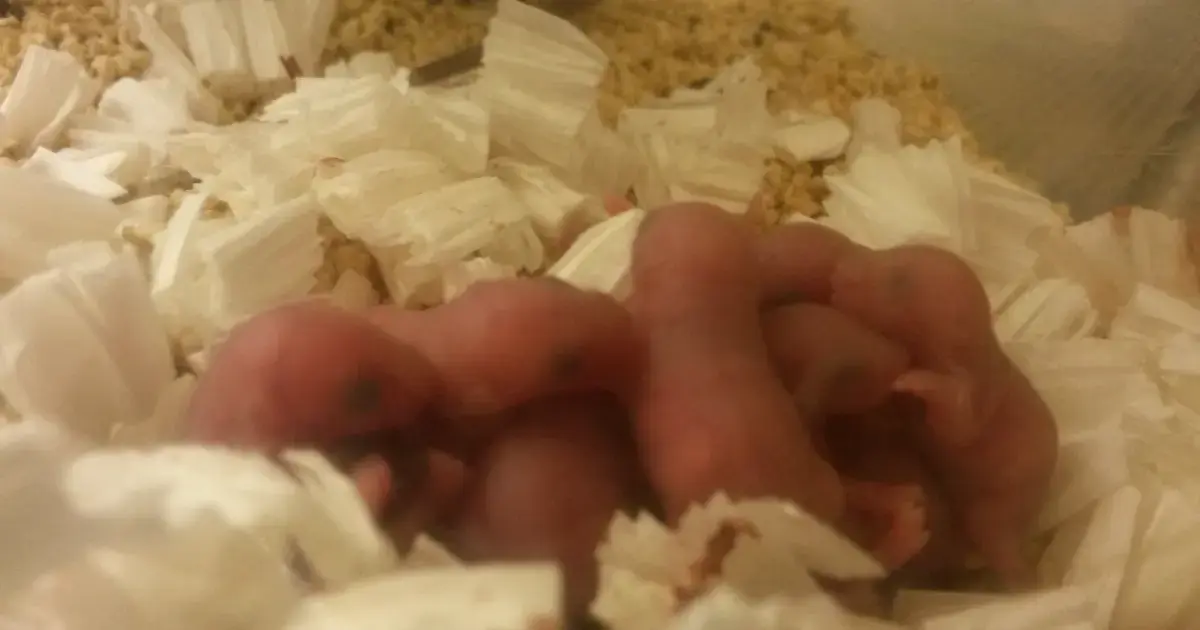
 At least now she’ll have some interesting stories to share with her grandkids, scientists joke.
Four female mice astronauts, or as they are called in China, taikonauts, embarked on a journey aboard the Chinese spacecraft Shenzhou-21 to the on October 31, 2025. They spent about two weeks there and successfully returned to Earth on November 14.
During their flight, scientists from the Chinese Academy of Sciences (CAS) released a video featuring the taikonauts in their cage, noting: “You can see the mice taking turns resting in the shelters inside the cage and occasionally climbing actively on the walls; they are lively and well-adapted.”
The mission aimed to study the effects of microgravity on the reproductive functions of animals that are genetically very similar to humans.
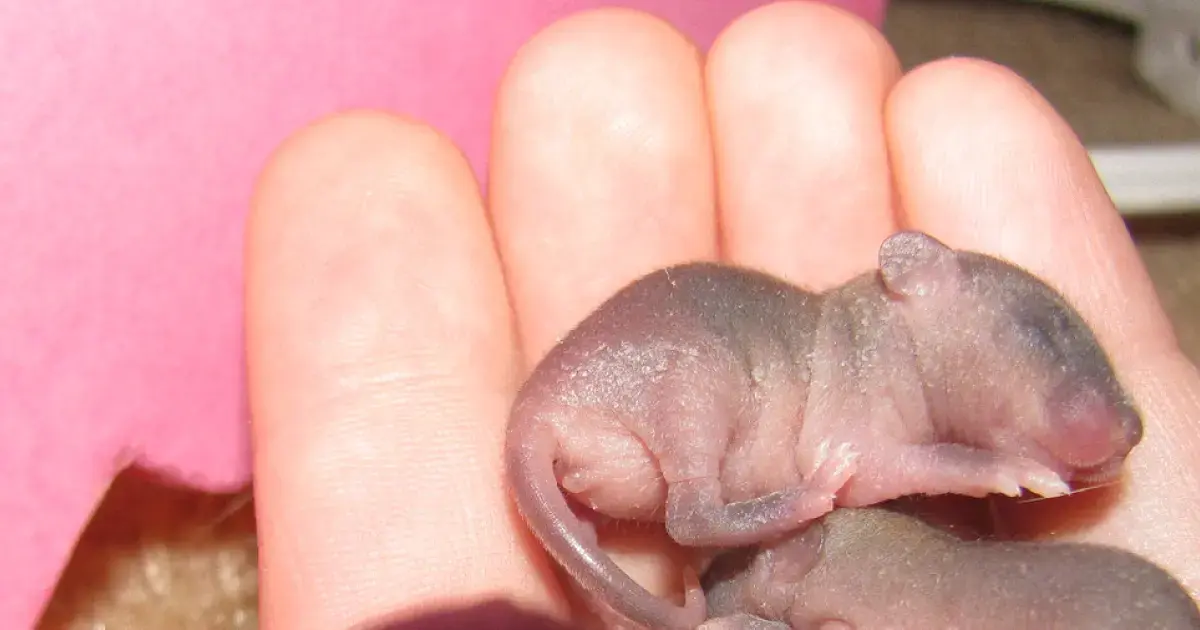
The expedition demonstrated that for space mice, there is no conflict between career and motherhood. One of them made headlines around the world. On December 10, gave birth to nine pups. Three of them sadly passed away shortly after, but this is considered a normal mortality rate for this species, according to IFLScience.
It’s worth noting that the gestation period for mice lasts 19 to 21 days.
Why is this mouse experiment important for humans?
This experiment is crucial for long-duration space missions involving humans. One of the key questions scientists still need to answer before colonizing the Moon or Mars is whether there are risks to the reproductive health of space travelers.
Taking a step toward answering this question, researchers from CAS sent a quartet of female mice into space and attempted to achieve their reproduction shortly thereafter.
“This mission showed that short-term space travel does not impair the reproductive capacity of mice,” stated Professor Wang Hongmei from CAS, the lead author of the study.
Monitoring the health of the mother and her pups will continue, as scientists are interested in the long-term effects of space travel. The short lifespan of mice suggests that their two-week journey is equivalent to more than a year of human time in space.
Interestingly, mice have been sent on suborbital flights since 1950. In 1972, five of these rodents even orbited the during the Apollo 17 mission.
Photo: Openverse