
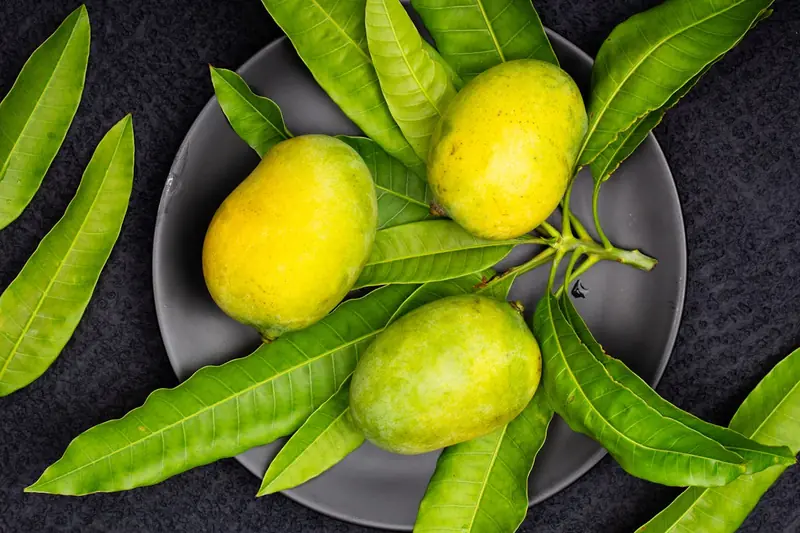
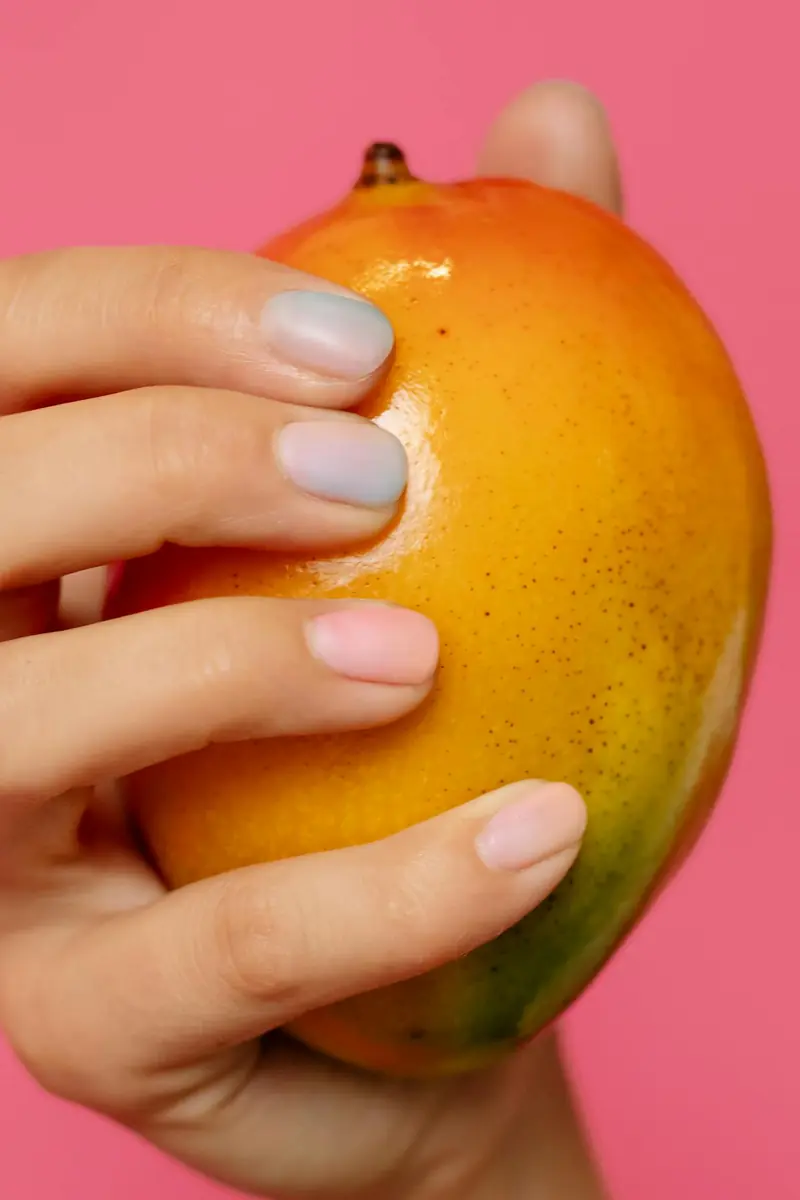
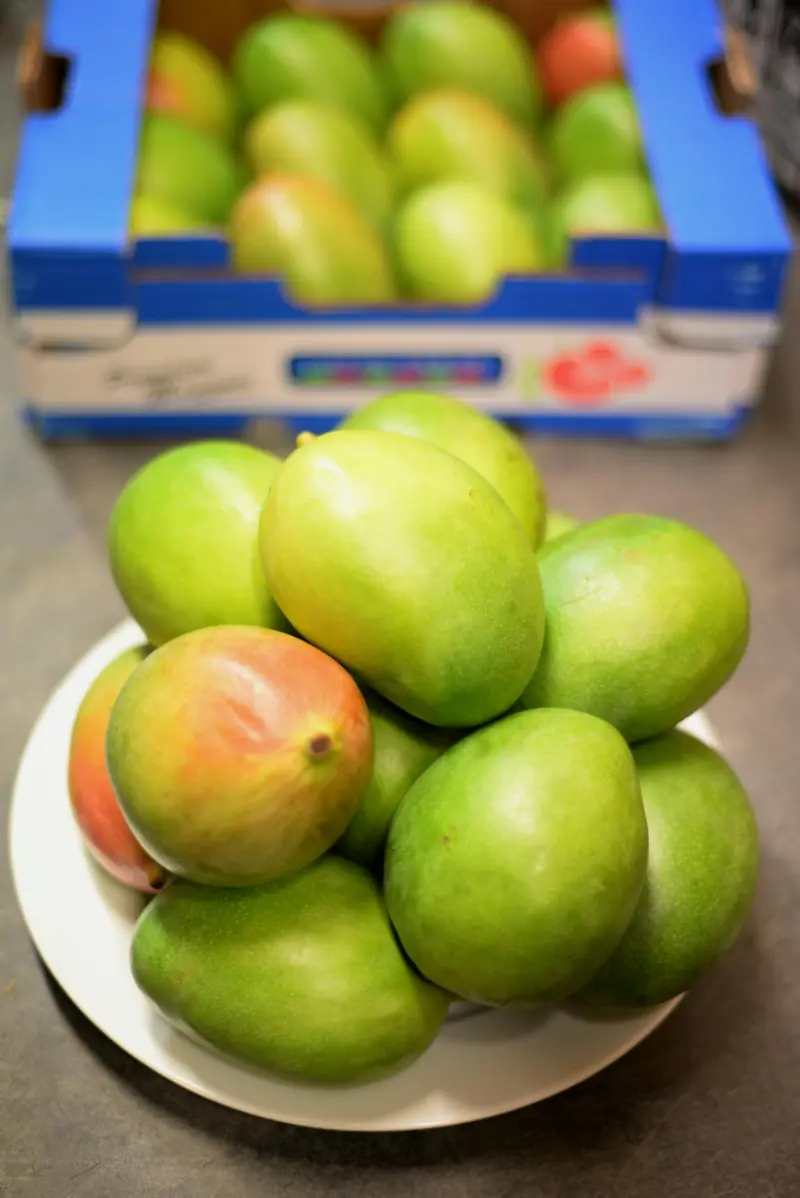
The fruit of the mango tree is a yellowish drupe with a smooth, waxy skin. When you touch a ripe mango, it gives slightly: a fresh mango springs back under your fingers, as if greeting you. However, the skin shouldn’t yield too much. A quality mango is neither hard nor overly soft; it’s best to choose fruits that have moderate firmness. What else should you know about this exotic newcomer that has made its way to our grocery shelves?
Grows on Trees
Mangoes originate in Southeast Asia, specifically the humid tropical forests of eastern India (Assam) and Myanmar (Burma), near Thailand, Laos, Bangladesh, and China. Historical records suggest that people in Asia have known this fruit for about 10,000 years. Over time, growers expanded cultivation beyond neighboring countries to include China, Thailand, and the Philippines.
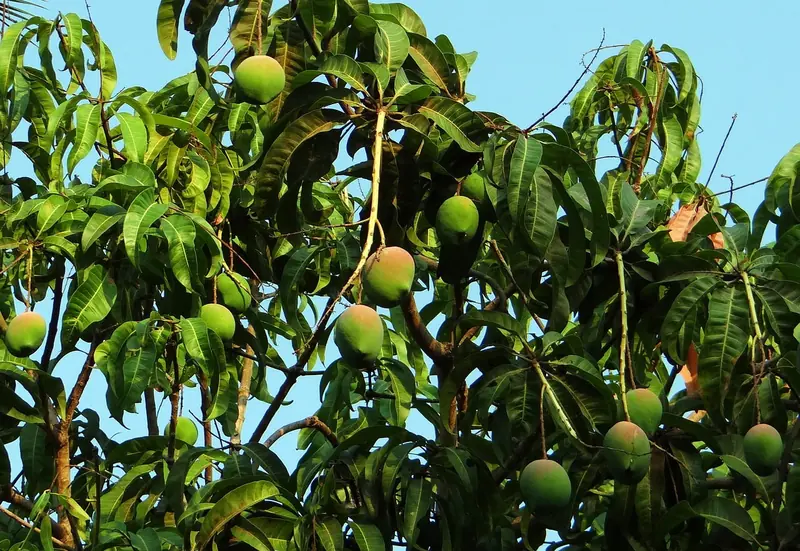
Today, mangoes are grown across the tropical belt: in parts of Africa (Ivory Coast and Kenya), Australia, Spain, the Caribbean, the United States, Mexico, and other countries in South and Central America. Residents of the tropics harvest these 2-kilogram fruits from sprawling branches that reach heights of 10 to 45 meters. Tourists are often amazed by the 10-meter radius of the lush mango tree canopy and by the intoxicating aroma of exotic gardens: during the flowering season, the trees give off a heady scent reminiscent of lilies.
Safe Sweetness
A healthy mango is easy to recognize by its shiny skin. The fruit’s exterior is smooth and thin, with colors that vary by ripeness: mangoes can be green, yellow, red, or a mix of those hues. The flesh is fibrous and surrounds a large, flat pit. The taste combines notes of peaches and pineapples, and mangoes can be twice as sweet as either of those fruits.
In 100 grams of ripe mango flesh there is about 14% sucrose — roughly equivalent to 4 teaspoons of sugar. Overall, a medium-sized fruit (250 grams) contains the equivalent of about 10 teaspoons of sugar. Still, these natural sweets have relatively little impact on blood sugar, because mangoes have a moderate glycemic index (41–60). Besides carbohydrates, the fruit is rich in fiber and water and contains proteins (up to 1% per 100 grams) and 12 different essential amino acids.
Benefits of Mango
Mangoes are rich in iron, zinc, magnesium, potassium, phosphorus, and calcium. They also contain beta-carotene, pectin, and organic acids. These fruits are packed with B vitamins as well as vitamins A, C, and D. The yellow color of the flesh comes from carotenoids: mangoes have about five times more carotene than mandarins. The combination of carotene, fiber, and vitamins C and E in mangoes helps prevent various types of cancer, including cervical, breast, stomach, colorectal, pancreatic, and prostate cancers.
B vitamins, carotene, and vitamin C support the immune system and protect cells from oxidation, acting as antioxidants. Mangoes are known for fever-reducing and anti-inflammatory properties. The enzymes in the fruit improve digestion. Mangoes can relieve nervous tension and boost mood. By helping combat depression and irritability in stressful situations, this exotic fruit can support cardiovascular health, increase libido, and strengthen overall body tone.
Supporting Health
The benefits of mango juice for the body include normalizing acid-base balance and improving the condition of nerve and muscle tissues. Including mango in your diet can alleviate cramps and numbness in the limbs. Consuming the fruit clarifies thoughts, helps saturate brain cells with oxygen, and prevents the development of senile dementia. Mango slows inflammatory processes in arthritis and alleviates symptoms of toxemia during pregnancy. Additionally, mango provides a feeling of fullness. Regularly drinking mango juice can help prevent overeating, since this fruit dulls hunger.
Mango juice aids iron absorption, stabilizes blood pressure, improves tissue regeneration, and alleviates allergic reactions. Regular consumption of mango helps normalize eye pressure, which is important for preventing glaucoma. The retinoids in mango improve night vision. This fruit also helps slow aging: by stimulating the body’s production of its own elastin and collagen, mango promotes rejuvenation and helps maintain skin elasticity.
Traditional Medicine
Indian healers have used mango to treat cholera and plague, while European and American herbalists use an infusion of mango leaves to lower blood sugar and help prevent retinal damage in diabetes. Thanks to its phenolic compounds, mango can help burn fat and support weight loss. Extracts from the fruit regulate metabolic processes and lower levels of “bad” cholesterol. Mango seed oil, rich in valuable fatty acids, promotes healthy hair.
In folk medicine, mango has long been used to treat colds, stomach pain, and inflammatory conditions of the gums and mouth. Herbalists use mango leaves for teeth whitening. Mango juice is a popular remedy for acute dermatitis, while the seeds are included in mixtures for asthma attacks. Healers use an infusion of mango leaves to treat hypertension, varicose veins, and weak vascular tone; this remedy can reduce bruising and the appearance of spider veins on the skin. Ripe fruits have also been prescribed for internal bleeding.
Consumption Guidelines
Don’t combine mango with alcohol. Nutrition experts advise avoiding alcoholic beverages for two hours after eating this fruit. Mango juice is not recommended at night; for maximum benefit, consume mango in the first half of the day.
To provide the body with beneficial nutrients, an adult should drink 200–250 ml (about a cup) of fresh mango juice daily. For children aged 5 to 12 years, the recommended amount is 100 ml (half a cup). Pediatricians suggest introducing young children to mango no earlier than age 3: introduce it gradually, starting with a teaspoon of mango juice per day. Keep in mind that these fruits have diuretic and laxative effects.
Be Cautious
Alongside its benefits, mango can cause harm. The fruit’s skin contains the allergen urushiol, which can irritate mucous membranes and trigger swelling of the lips, skin redness, and rashes in people who are sensitive. The flesh itself is usually neutral: the fruit can be eaten after peeling (wear gloves when handling the skin). Unripe mangoes are best avoided by people with sensitive mucous membranes.
Overeating mango can cause colic, stomach pain, constipation, fever, respiratory irritation, and hives. To avoid contact dermatitis, facial swelling, and potential anaphylactic shock, taste mango for the first time with caution. Do not eat the fruit without peeling it, and do not drink a full glass of juice immediately: start with a small amount to check your body’s reaction to this new food.
How to Eat Mango?
When selecting a mango, gently press the fruit with your fingers. The skin of a ripe mango is soft and yields slightly to the touch, as if responding to a “greeting.” A quality fruit will not have a sour smell. Squashed fruits may taste bitter. Avoid purchasing wrinkled fruits; choose plump, smooth ones instead. Unripe mangoes will ripen at room temperature. In the refrigerator, they can last up to four weeks.
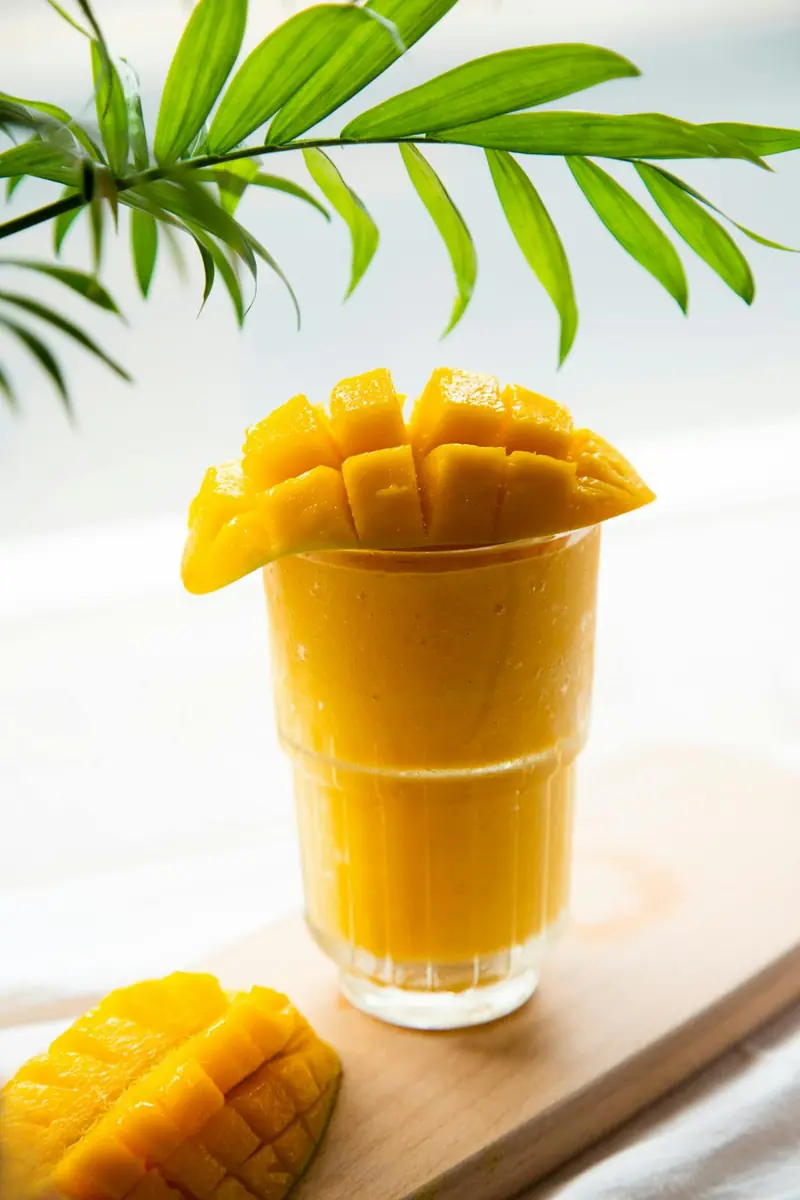
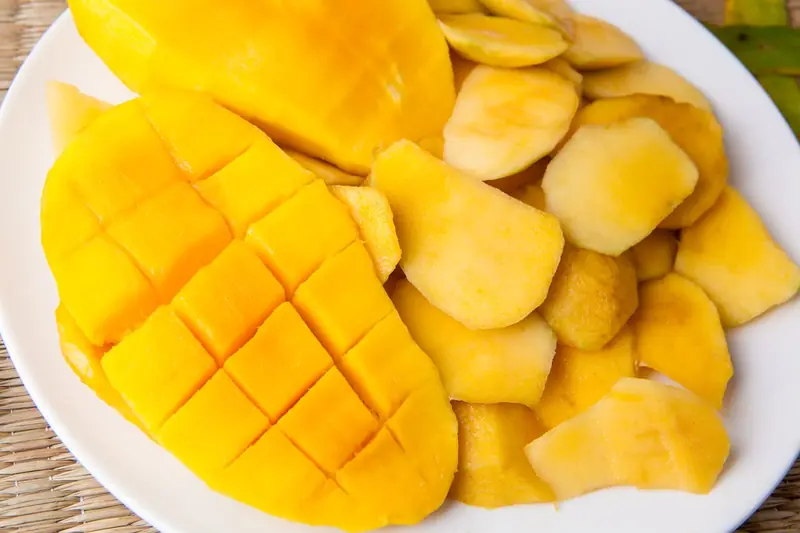
Before eating, peel the fruit. Remove the pit, cut the flesh in half, and dice both halves into cubes. The second method of preparing mango—without peeling—is possible only if you have no allergy to the skin. Cut the fruit in half, remove the pit, and score the flesh in a grid pattern with a knife. Turn the fruit inside out to expose cubes of flesh you can eat straight from the skin.

Delicious Recipes
The energy value of 100 grams of mango is 70 kcal. The diced flesh can be eaten fresh, made into juices and smoothies, or added to salads, desserts, or baked goods. Mango works well in marinades and sauces for fish or meat. A popular preparation in the fruit’s homeland, India, features unripe mango marinated in oil, spices, and salt. Mango pairs harmoniously with crunchy fresh vegetables: daikon, cucumber, bell pepper, celery, iceberg lettuce, and various microgreens. Any fruit-and-herb sauce should include citrus juice.
Carrot Soup with Mango
Ingredients: mango – 1; carrots – 5; onion – 1; garlic – 1 clove; coconut milk – 0.5 liters; vegetable broth – 0.5 liters; olive oil – 2 tablespoons; ginger – 20 grams; cumin – 1 teaspoon; curry – 2 teaspoons; coriander – 1 teaspoon; salt and ground black pepper – to taste.
Preparation: Peel and roughly chop the mango and carrots. Peel and finely chop the garlic and onion. Thinly slice the ginger root. Heat the olive oil in a pot and sauté the onion and garlic. Add half the mango, the carrots, and the ginger; stir and sauté for another 5 minutes. Pour in the broth, bring to a boil, reduce the heat, and simmer the soup for 15 minutes. When the carrots soften, add the coconut milk and the remaining mango. Blend the soup until smooth, add the spices and salt, and remove from heat after it reaches a boil.

Mango, Avocado, and Red Fish Salad
Ingredients: red fish (fillet) – 300 grams; mango – 1; avocado – 1; lemon – 1; red onion – ½; leafy lettuce – a bunch; apple cider vinegar – 2 tablespoons; olive oil – 2 tablespoons; sesame seeds – to taste; mint – to taste; black pepper and salt – to taste.
Preparation: Rub the fish fillet with a mixture of lemon juice, pepper, and salt, and sauté it in olive oil. Let the fish cool slightly, then flake it with a fork into pieces. Chop the onion, mango, and avocado, and tear the lettuce leaves by hand. In a bowl, combine the fish with the mango, avocado, onion, and lettuce. Season with salt and pepper. Mix the apple cider vinegar with the olive oil and drizzle the dressing over the salad. Sprinkle with sesame seeds and garnish with mint.
Mango Sauce for Chicken
Ingredients: mango – 1; honey – 1 tablespoon; lemon juice – 50 ml; olive oil – 3 tablespoons; coriander – ¼ teaspoon; ground cayenne pepper – ¼ teaspoon; salt – to taste.
Preparation: Dice the peeled mango and place it in a blender. Add the remaining ingredients and blend until smooth. Use this sweet-and-tangy dressing with a citrus note for meat salads or baked chicken.

Cold Mango Tea
Ingredients: black tea – 3 bags; water – 0.5 liters; mango – 1; lemon juice – 1 tablespoon; honey – 1 tablespoon; ice – optional.
Preparation: Peel the mango and puree the flesh in a blender. Pour boiling water over the tea bags and steep; remove the bags after brewing. Add the mango puree and mix. Chill the drink in the refrigerator for half an hour. Strain the mango tea, add lemon juice and honey, and serve with ice. The best part of this refreshing drink is the delicate aroma of the exotic fruit.