
 Researchers studying orange and red melanin in bird feathers have discovered that its production helps prevent cellular damage.
But what about humans? It turns out that the pigment in red hair also possesses a hidden strength that we were previously unaware of. This pigment, known as pheomelanin, requires the amino acid cysteine for its synthesis. However, excessive accumulation of cysteine in cells can lead to oxidative damage, as reported by Science Alert.
According to a study by the team at the National Museum of Natural Sciences in Spain, individuals with genetic variants responsible for may have special cells capable of converting excess cysteine, which the body obtains from food or the environment, into pigment.
Using zebra finches as a model, scientists demonstrated that pheomelanin can play a protective role in maintaining cellular health.
The researchers conducted an experiment involving male finches that were unable to produce pheomelanin. During a month of feeding these birds excess cysteine, they observed higher levels of oxidative damage compared to those that could produce this pigment.
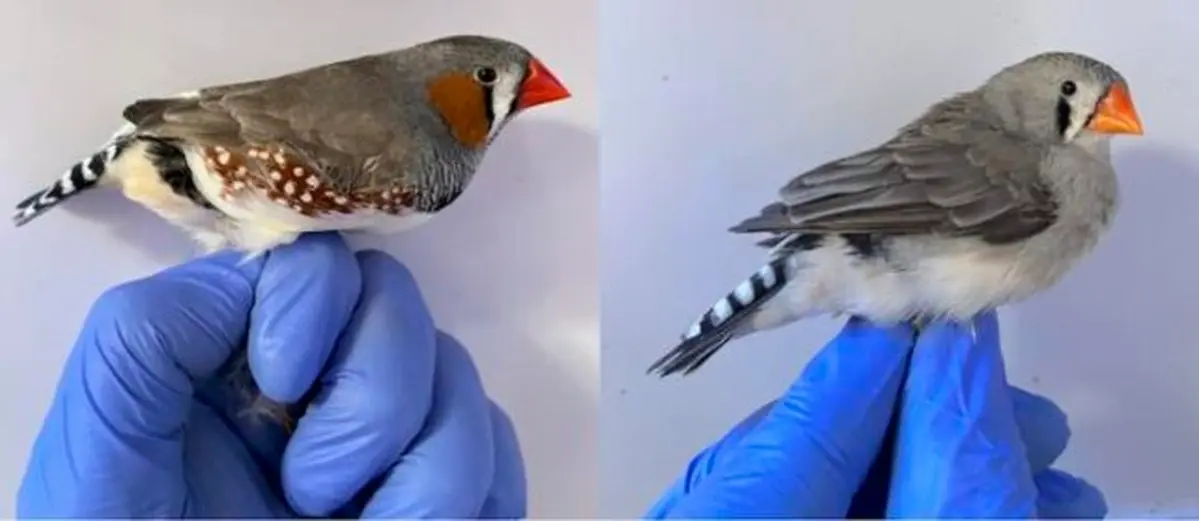
Female zebra finches do not produce pheomelanin. Therefore, a substance that blocks its production did not affect them. However, they also showed signs of slightly higher oxidative damage when fed additional cysteine compared to females that were not given extra cysteine. These results suggest that excess cysteine contributes to cellular damage, while the production of pheomelanin may provide protection against it.
In humans, the production of pheomelanin is concentrated in the lips, nipples, and genitals. But in red-haired individuals, it is also present in their hair and skin.
Researchers believe that the genetic variants promoting pheomelanin production likely help cells maintain a balance of cysteine, using its excess for the production of pheomelanin.
“These results provide the first experimental evidence of the physiological role of pheomelanin, specifically its ability to prevent the toxic effects of excess cysteine, which helps us better understand the risk of developing melanoma and the evolution of animal coloration,” the authors of the study wrote in their report.
The findings of the study were published in the journal PNAS Nexus.
Photo: Unsplash
The power of orange: the pigment in red hair has a secret superpower.
1
